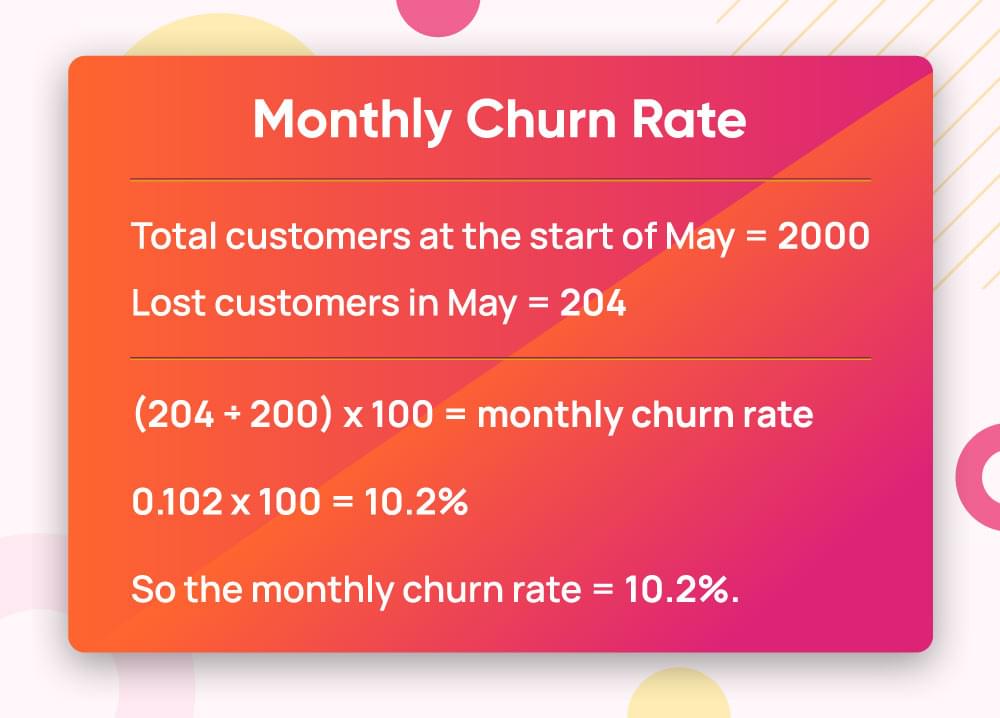
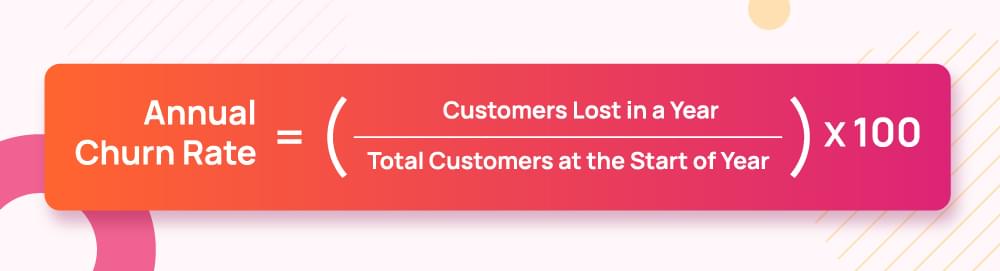
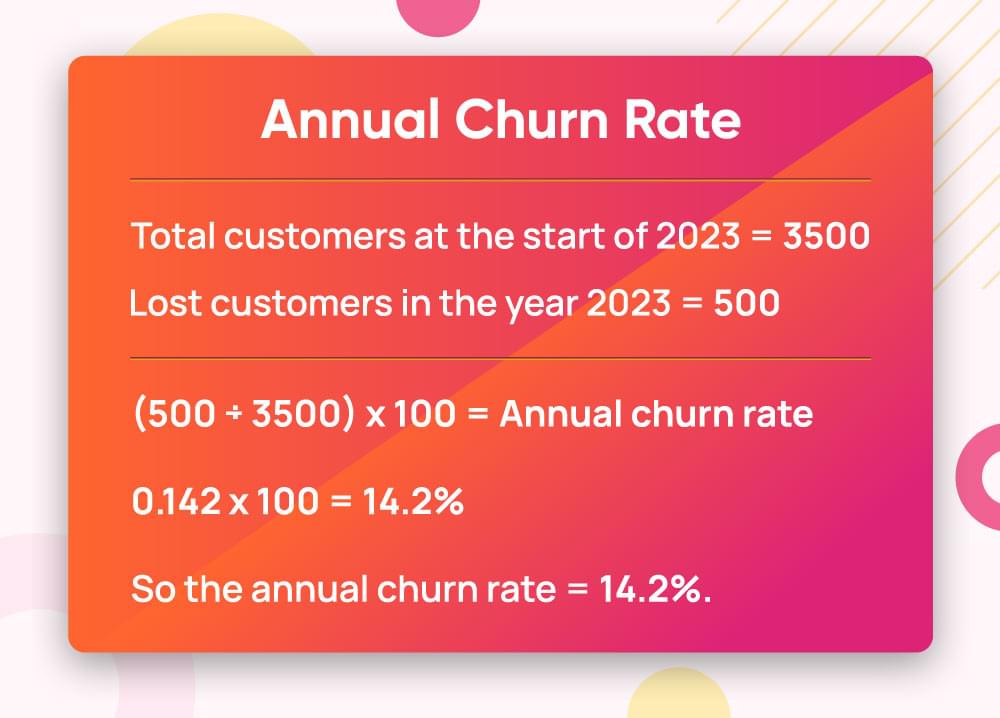
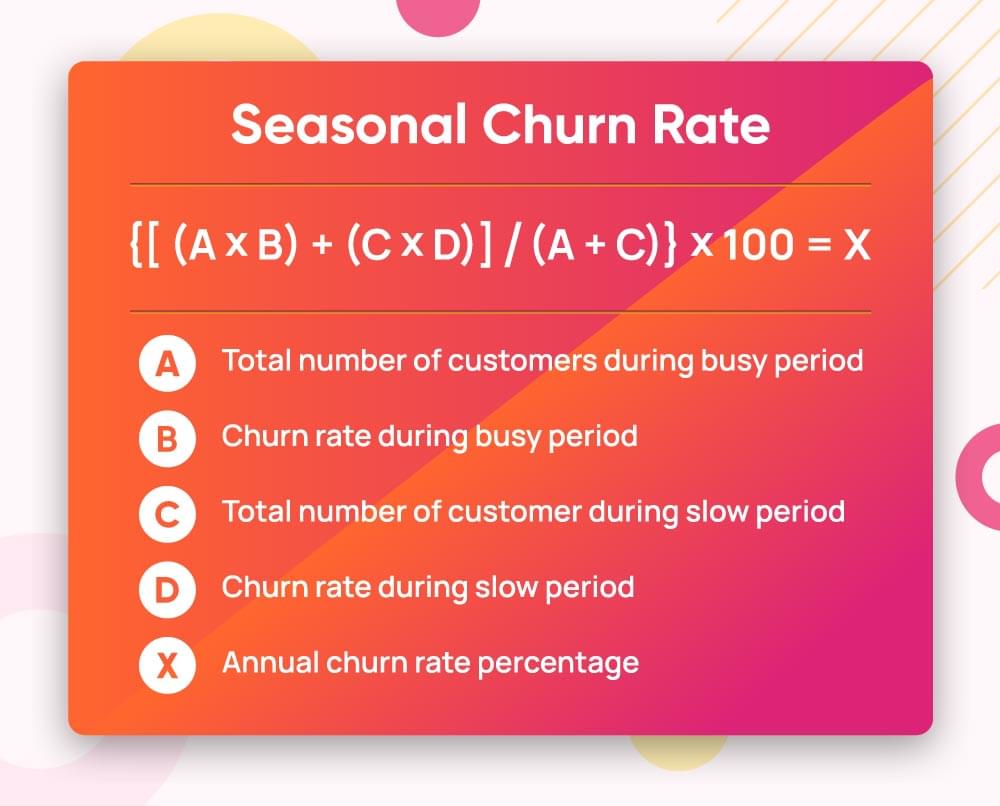
<?xml version="1.0" encoding="utf-8"?>
<feed xmlns="http://www.w3.org/2005/Atom">
  <title>Churnfree | The Latest Information On Customer Churn</title>
  
  <subtitle>Use Churnfree to build customizable retention flows to reduce churn to your website</subtitle>
  <link href="https://churnfree.com/blog/atom.xml" rel="self"/>
  
  <link href="https://churnfree.com/blog/"/>
  <updated>2026-02-26T11:23:52.691Z</updated>
  <id>https://churnfree.com/blog/</id>
  
  <author>
    <name>Churnfree</name>
    
  </author>
  
  <generator uri="https://hexo.io/">Hexo</generator>
  
  <entry>
    <title>The Complete 30/60/90 Day Plan Guide + Free Templates</title>
    <link href="https://churnfree.com/blog/30-60-90-day-plan/"/>
    <id>https://churnfree.com/blog/30-60-90-day-plan/</id>
    <published>2026-02-26T01:39:01.000Z</published>
    <updated>2026-02-26T11:23:52.691Z</updated>
    
    <content type="html"><![CDATA[<p>A 30&#x2F;60&#x2F;90 day plan is one of the most effective modern tools for organizations, employers, and employees to hit the ground running and make a strong first impression. It is a powerful retention strategy that is often ignored by businesses because they treat the 30&#x2F;60&#x2F;90 plan as a purely internal HR exercise.</p><p>In reality, the best 30-60-90 day plans are the ones that connect individual performance directly to <strong>customer outcomes</strong>. Every role in an organization, from sales to support to leadership, ultimately exists to acquire, retain, and grow customers.</p><span id="more"></span><p>In this comprehensive guide, you’ll learn exactly what a 30 60 90 day plan is, how to write one that actually drives results, and get ready-to-use templates with real-world examples. You’ll also discover how structured onboarding plans directly impact both employee and customer retention and churn, which are metrics that are far more connected than most companies realize.</p><h2 id="Table-of-Contents"><a href="#Table-of-Contents" class="headerlink" title="Table of Contents"></a>Table of Contents</h2><ul><li><a href="#What-is-a-30-60-90-Day-Plan">What is a 30&#x2F;60&#x2F;90 Day Plan?</a></li><li><a href="#Why-Every-New-Role-Needs-a-30-60-90-Day-Plan">Why Every New Role Needs a 30&#x2F;60&#x2F;90 Day Plan?</a></li><li><a href="#How-to-Write-a-30-60-90-Day-Plan-Step-by-Step">How to Write a 30 60 90 Day Plan (Step-by-Step)?</a></li><li><a href="#30-60-90-Day-Plan-Template">30&#x2F;60&#x2F;90 Day Plan Template</a></li><li><a href="#30-60-90-Day-Plan-for-Marketing-Managers">30-60-90 Day Plan for Marketing Managers</a></li><li><a href="#30-60-90-Day-Plan-for-Customer-Success-Leaders">30-60-90 Day Plan for Customer Success Leaders</a></li><li><a href="#Common-Mistakes-to-Avoid-in-the-30-60-90-Days-Plan">Common Mistakes to Avoid in the 30-60-90 Days Plan</a></li><li><a href="#Final-Thoughts">Final Thoughts</a></li></ul><h2 id="What-is-a-30-60-90-Day-Plan"><a href="#What-is-a-30-60-90-Day-Plan" class="headerlink" title="What is a 30&#x2F;60&#x2F;90 Day Plan?"></a>What is a 30&#x2F;60&#x2F;90 Day Plan?</h2><p>A 30&#x2F;60&#x2F;90 day plan is a structured document that includes specific goals, priorities, and milestones for the first three months in a new role. As the name suggests, the plan divides your first 90 days into three key phases:</p><ul><li><strong>Days 1–30 (Learning Phase):</strong> This period involves collecting key information, understanding the company culture, learning the product, meeting stakeholders, and studying your customers.</li><li><strong>Days 31–60 (Contributing Phase):</strong> You start applying what you’ve learned and take ownership of responsibilities to deliver results that create real impact for the customers.</li><li><strong>Days 61–90 (Leading Phase):</strong> You become capable of operating independently to optimize company processes and demonstrate measurable impact on key business metrics, along with setting long-term goals.</li></ul><h3 id="Origin-of-30-60-90-Day-Plan"><a href="#Origin-of-30-60-90-Day-Plan" class="headerlink" title="Origin of 30&#x2F;60&#x2F;90 Day Plan"></a>Origin of 30&#x2F;60&#x2F;90 Day Plan</h3><p>The concept of the 30&#x2F;60&#x2F;90 plan was first introduced for sales professionals as a way to structure their ramp-up period, but it eventually extended to leaders and executives. Michael Watkins’ influential book The First 90 Days gave the plan widespread recognition across different roles and types of organizations</p><p>Now the 30-60-90 day plan is considered to be a foundation of onboarding at every level of an organization. The real advantage of a 30 60 90 day plan is its flexibility.</p><p>It works whether you’re an individual contributor, a customer success manager, or a C-suite. The overall structure of the 30-60-90 day document stays the same, but specific goals and metrics are modified as per your role.</p><h2 id="Why-Every-New-Role-Needs-a-30-60-90-Day-Plan"><a href="#Why-Every-New-Role-Needs-a-30-60-90-Day-Plan" class="headerlink" title="Why Every New Role Needs a 30&#x2F;60&#x2F;90 Day Plan?"></a>Why Every New Role Needs a 30&#x2F;60&#x2F;90 Day Plan?</h2><p>While the 30&#x2F;60&#x2F;90 plan started as a way of effective onboarding for new employees, it is now important not just for a business’s internal workings, but also for the customer side of an organization.</p><p>Here’s why structured planning during your first 90 days is vital for everyone involved:</p><h3 id="For-New-Employees"><a href="#For-New-Employees" class="headerlink" title="For New Employees"></a>For New Employees</h3><ul><li>Minimizes anxiety by providing clear direction about the responsibilities and expectations.</li><li>Speeds up time-to-productivity to help employees contribute meaningful work faster.</li><li>Demonstrates initiative and understanding of how your role aligns with business goals.</li><li>Creates accountability by setting benchmarks and metrics.</li></ul><h3 id="For-Managers-and-Leaders"><a href="#For-Managers-and-Leaders" class="headerlink" title="For Managers and Leaders"></a>For Managers and Leaders</h3><ul><li>Set up a framework to make strategic decisions without rushing into changes.</li><li>Builds trust with your new team.</li><li>Helps identify quick wins that establish credibility.</li><li>Sets the foundation for long-term team performance.</li></ul><h3 id="For-Organizations"><a href="#For-Organizations" class="headerlink" title="For Organizations"></a>For Organizations</h3><ul><li>Structured onboarding with clear flows reduces early-stage employee turnover.</li><li>When new hires can start producing and adding value within 90 days, they’re more engaged, more satisfied, and less likely to leave.</li><li>Clear expectations to reduce miscommunication and accelerate team integration.</li></ul><h3 id="For-Customers"><a href="#For-Customers" class="headerlink" title="For Customers"></a>For Customers</h3><p>A lot of companies overlook this important part. Every time a company hires someone for a customer-facing role, such as sales, support, customer success, or account management, there’s a gap between their start date and the day they can truly serve your customers well.</p><p>A well-designed 30&#x2F;60&#x2F;90 plan is necessary to bridge that gap, which results in:</p><ul><li>Customers get fewer handoff disruptions.</li><li>New hires build product knowledge and client relationships faster.</li><li>Retention metrics stay stable even during periods of turnover.</li></ul><h2 id="How-to-Write-a-30-60-90-Day-Plan-Step-by-Step"><a href="#How-to-Write-a-30-60-90-Day-Plan-Step-by-Step" class="headerlink" title="How to Write a 30 60 90 Day Plan (Step-by-Step)?"></a>How to Write a 30 60 90 Day Plan (Step-by-Step)?</h2><p>You don’t need to use any complicated template or spend hours of work in writing an effective <strong>30&#x2F;60&#x2F;90 plan</strong>. Instead, you can follow these simple steps to create a plan that’s clear and effective.</p><h3 id="Step-1-Research-the-Role-Company-and-Customers"><a href="#Step-1-Research-the-Role-Company-and-Customers" class="headerlink" title="Step 1: Research the Role, Company, and Customers"></a>Step 1: Research the Role, Company, and Customers</h3><p>Before writing anything, collect as much information as possible. This step involves reviewing the job description, company website, and any other available material.</p><p>At this stage, you should <strong>study the customer</strong> critically to make their detailed profiles by answering questions like:</p><ul><li>Who are your target customers?</li><li>What are their pain points?</li><li>What does the <a href="https://churnfree.com/blog/a-step-by-step-guide-to-the-customer-journey/">customer journey</a> look like?</li><li>What are the current <a href="https://churnfree.com/blog/customer-retention-analytics/">retention</a> and churn metrics?</li></ul><p>On the employee side, you should research internal documentation, customer health dashboards, churn reports, <a href="https://churnfree.com/blog/what-is-net-promoter-score/">NPS feedback</a>, and past performance reviews.</p><h3 id="Step-2-Define-Your-Goal"><a href="#Step-2-Define-Your-Goal" class="headerlink" title="Step 2: Define Your Goal"></a>Step 2: Define Your Goal</h3><p>A critical question you must answer is: What does success look like at the end of 90 days? This is your North Star.</p><p>Some of the common goals for different roles can be:</p><ul><li><strong>Customer Success Leader:</strong> “Create a customer health scoring framework to minimize at-risk accounts by 15%.”</li><li><strong>Sales Rep:</strong> “Build a qualified pipeline of $500K.”</li><li><strong>Manager:</strong> “Establish trust with every direct report and identify the team’s top three bottlenecks.”</li></ul><h3 id="Step-3-Break-Down-Each-30-Day-Phase"><a href="#Step-3-Break-Down-Each-30-Day-Phase" class="headerlink" title="Step 3: Break Down Each 30-Day Phase"></a>Step 3: Break Down Each 30-Day Phase</h3><p>The 30-day period itself should be divided into specific phases, including:</p><ul><li><strong>Focus area:</strong> What’s the primary theme? (Learning, contributing, or leading)</li><li><strong>Specific and measurable goals:</strong> Set 3–5 measurable objectives</li><li><strong>Key actions:</strong> The exact steps you’ll take to achieve each goal.</li><li><strong>Success metrics:</strong> How will you know you’ve succeeded?</li><li><strong>Customer connection:</strong> How does a goal ultimately impact <a href="https://churnfree.com/blog/tale-of-two-journeys-customer-experience-vs-customer-journey/">customer experience</a>?</li><li><strong>Resources needed:</strong> Tools, access, or training required.</li></ul><h3 id="Step-4-Align-with-Your-Manager"><a href="#Step-4-Align-with-Your-Manager" class="headerlink" title="Step 4: Align with Your Manager"></a>Step 4: Align with Your Manager</h3><p>The most effective 30-60-90 day plans are built via collaboration. It involves alignment between the new hire, their direct manager, and the broader organization’s team. So, you should schedule a meeting with your manager to review your draft plan. Employees can ask questions like: “What would a home run look like in my first 90 days?” and “What are the biggest customer challenges I should understand early?” to understand the company’s expectations and work accordingly to achieve optimum success.</p><h3 id="Step-5-Build-in-Review-Checkpoints"><a href="#Step-5-Build-in-Review-Checkpoints" class="headerlink" title="Step 5: Build in Review Checkpoints"></a>Step 5: Build in Review Checkpoints</h3><p>Set formal review meetings at the 30-day, 60-day, and 90-day marks. These meetings are vital to adjust the plan based on what you’ve learned, get feedback, and demonstrate progress. You can also use these vital checkpoints to share not just what you’ve done, but what you’ve learned about customers and the business.</p><h3 id="Step-6-Keep-It-Concise"><a href="#Step-6-Keep-It-Concise" class="headerlink" title="Step 6: Keep It Concise"></a>Step 6: Keep It Concise</h3><p>Overall, the 30-60-90 plan should be concise and simple to understand. Ideally, this plan should fit on 1–2 pages. You must avoid overloading it with too many goals. Generally, three to five objectives per phase is the sweet spot. Remember that at the end of the day, a plan you actually follow beats a detailed plan that sits in a drawer.</p><h2 id="30-60-90-Day-Plan-Template"><a href="#30-60-90-Day-Plan-Template" class="headerlink" title="30&#x2F;60&#x2F;90 Day Plan Template"></a>30&#x2F;60&#x2F;90 Day Plan Template</h2><p>You can use this detailed and universal <strong>30 60 90 day plan template</strong> as a starting point.</p><h3 id="Phase-1-Days-1–30-Learn-Absorb"><a href="#Phase-1-Days-1–30-Learn-Absorb" class="headerlink" title="Phase 1: Days 1–30 - Learn &amp; Absorb"></a>Phase 1: Days 1–30 - Learn &amp; Absorb</h3><table><thead><tr><th>Element</th><th>Details</th></tr></thead><tbody><tr><td><strong>Focus</strong></td><td>Learn and explore the company, team, product, and customers to understand expectations</td></tr><tr><td><strong>Goals</strong></td><td>Complete onboarding by performing steps like meeting all key stakeholders, understanding team workflows, learning core tools, and studying pain points</td></tr><tr><td><strong>Actions</strong></td><td>Attend all orientation sessions and schedule 1:1s with cross-functional partners, along with reviewing customer data</td></tr><tr><td><strong>Metrics</strong></td><td>100% onboarding completion with 1:1s with all direct stakeholders</td></tr></tbody></table><h3 id="Phase-2-Days-31–60-Contribute-Execute"><a href="#Phase-2-Days-31–60-Contribute-Execute" class="headerlink" title="Phase 2: Days 31–60 - Contribute &amp; Execute"></a>Phase 2: Days 31–60 - Contribute &amp; Execute</h3><table><thead><tr><th>Element</th><th>Details</th></tr></thead><tbody><tr><td><strong>Focus</strong></td><td>Apply the gathered knowledge to take ownership and deliver actual results</td></tr><tr><td><strong>Goals</strong></td><td>Lead your own specific projects and contribute to team meetings with data-backed insights</td></tr><tr><td><strong>Actions</strong></td><td>Lead a small project and collaborate cross-functionally</td></tr><tr><td><strong>Metrics</strong></td><td>At least one completed deliverable</td></tr></tbody></table><h3 id="Phase-3-Days-61–90-Lead-Optimize"><a href="#Phase-3-Days-61–90-Lead-Optimize" class="headerlink" title="Phase 3: Days 61–90 - Lead &amp; Optimize"></a>Phase 3: Days 61–90 - Lead &amp; Optimize</h3><table><thead><tr><th>Element</th><th>Details</th></tr></thead><tbody><tr><td><strong>Focus</strong></td><td>Operate independently and create goals to maximize your impact</td></tr><tr><td><strong>Goals</strong></td><td>Provide measurable results related to customer outcomes, such as churn reduction</td></tr><tr><td><strong>Actions</strong></td><td>Present a 90-day review to your manager and share your wins across the organization</td></tr><tr><td><strong>Metrics</strong></td><td>Draft measurable KPI improvements and a documented 6-month roadmap of your vision</td></tr></tbody></table><h2 id="30-60-90-Day-Plan-for-Marketing-Managers"><a href="#30-60-90-Day-Plan-for-Marketing-Managers" class="headerlink" title="30-60-90 Day Plan for Marketing Managers"></a>30-60-90 Day Plan for Marketing Managers</h2><p>The 30-60-90 day template in the previous section can be used as a universal framework. However, the exact framework and goals are ultimately dependent on your role.</p><p>Let’s look at an example of how a marketing manager can implement the 30&#x2F;60&#x2F;90 plan to improve marketing and sales:</p><h3 id="Days-1–30"><a href="#Days-1–30" class="headerlink" title="Days 1–30"></a>Days 1–30</h3><ul><li>Audit existing marketing channels and campaigns to analyze current performance metrics</li><li>Conduct meetings with teams like sales and customer success to understand brand messaging and user feedback</li><li>Review brand guidelines and marketing tech stack to understand what works and what does not.</li><li>Study customer personas and the common reasons customers churn</li></ul><h3 id="Days-31–60"><a href="#Days-31–60" class="headerlink" title="Days 31–60"></a>Days 31–60</h3><ul><li>Launch one new marketing campaign and A&#x2F;B test on the basis of audit findings</li><li>Implement a content strategy improvement, e.g., SEO optimization, and produce more retention-focused content</li><li>Establish performance reporting related to customer metrics</li></ul><h3 id="Days-61–90"><a href="#Days-61–90" class="headerlink" title="Days 61–90"></a>Days 61–90</h3><ul><li>Present a complete marketing strategy for the next quarter</li><li>Demonstrate measurable improvement in at least one key metric, such as leads or traffic</li><li>Build a repeatable process for successful campaign planning and execution aligning with customer lifecycle stages</li></ul><h2 id="30-60-90-Day-Plan-for-Customer-Success-Leaders"><a href="#30-60-90-Day-Plan-for-Customer-Success-Leaders" class="headerlink" title="30-60-90 Day Plan for Customer Success Leaders"></a>30-60-90 Day Plan for Customer Success Leaders</h2><p>Anyone taking on a customer success leadership role is expected to inspire a team, learn the product inside and out, and show impact on retention metrics before the next board meeting. Hence, this is the part where the 30&#x2F;60&#x2F;90 framework becomes a direct <a href="https://churnfree.com/blog/customer-retention-strategies/"><strong>customer retention strategy</strong>.</a></p><p>Here’s a well-crafted 30-60-90 day plan that customer success leaders, solo founders, and executives can use to <a href="https://churnfree.com/blog/how-to-reduce-customer-churn/">reduce churn:</a></p><h3 id="Days-1–30-Listen-Learn-and-Build-Trust"><a href="#Days-1–30-Listen-Learn-and-Build-Trust" class="headerlink" title="Days 1–30: Listen, Learn, and Build Trust"></a>Days 1–30: Listen, Learn, and Build Trust</h3><p>Your job during the first 30 days is to listen to your team, your customers, and your colleagues. You don’t have to jump into the solution mode just yet. Instead, focus on aspects like:</p><ul><li><strong>Understand your customers:</strong> Analyze customer health data, read churn reasons, review NPS feedback, and talk directly with customers across segments.</li><li><strong>Meet with your team:</strong> Conduct 1:1s with every team member to learn about their career goals, challenges, and their feedback about the product you are selling.</li><li><strong>Map the customer journey:</strong> Review lifecycle stages, onboarding processes, success plans, and renewal workflows to identify gaps and inconsistencies.</li><li><strong>Get to know your peers:</strong> Meet with stakeholders in sales, product, engineering, marketing, support, and RevOps to understand how each team works.</li><li><strong>Build credibility:</strong> Share your leadership philosophy. You should always be transparent in listening mode. Don’t provide detailed solutions yet, but start identifying opportunities for small wins.</li></ul><h4 id="Deliverables-by-Day-30"><a href="#Deliverables-by-Day-30" class="headerlink" title="Deliverables by Day 30:"></a>Deliverables by Day 30:</h4><ul><li>A summary of the current state, including what’s working, what’s broken, key pain points.</li><li>Relationship maps of your team and cross-functional stakeholders to understand the current team organization.</li><li>A preliminary list of opportunities that you can divide into quick wins and longer-term goals.</li></ul><h3 id="Days-31–60-Plan-Prioritize-and-Align"><a href="#Days-31–60-Plan-Prioritize-and-Align" class="headerlink" title="Days 31–60: Plan, Prioritize, and Align"></a>Days 31–60: Plan, Prioritize, and Align</h3><p>By this stage, you should know enough about the product and customers, so you can shift from discovery to planning. Using what you’ve learned in the previous 30 days, turn your knowledge into an actionable roadmap by following these steps:</p><ul><li><strong>Define your CS vision:</strong> Based on your findings, create a vision for what customer success should look like as per company goals, culture, and ideal customer outcomes.</li><li><strong>Identify team structure needs:</strong> Determine whether you need to hire, restructure, or add new roles within your team to achieve your vision.</li><li><strong>Refine the customer journey:</strong> Start mapping a future-state customer lifecycle that has clear stages and outcomes. Keep the customer journey map flexible, so it can evolve with your customers, products, and competitors.</li><li><strong>Partner with operations:</strong> Work with CS Ops or any other relevant team to evaluate core metrics, including <a href="https://churnfree.com/blog/net-revenue-retention/">Net Revenue Retention (NRR),</a> <a href="https://churnfree.com/blog/gross-revenue-retention/">Gross Revenue Retention (GRR)</a>, NPS, onboarding duration, and other such key metrics.</li><li><strong>Build your roadmap:</strong> Create a roadmap of what you want to achieve in the next 6–12 months. This can include technology improvements, marketing process changes, program launches, and any other new strategies.</li><li><strong>Start small:</strong> It is better to start by identifying one or two process changes you can implement quickly instead of complete overhauls during this period. Also, you should always communicate progress and early results to the concerned higher-ups.</li></ul><h4 id="Deliverables-by-Day-60"><a href="#Deliverables-by-Day-60" class="headerlink" title="Deliverables by Day 60:"></a>Deliverables by Day 60:</h4><ul><li>A documented customer success strategy.</li><li>An updated chart of the team, if you have made any changes.</li><li>A revised customer journey map to match your workflows.</li><li>A prioritized 6–12 month roadmap, including long-term goals and expectations.</li></ul><h3 id="Days-61–90-Execute-Scale-and-Share-Results"><a href="#Days-61–90-Execute-Scale-and-Share-Results" class="headerlink" title="Days 61–90: Execute, Scale, and Share Results"></a>Days 61–90: Execute, Scale, and Share Results</h3><p>Using the detailed roadmap you created, you should put the key elements into action at this stage. It is expected that you’ll have strong knowledge about the company and customers by this stage, so you will be in a very good position to make informed decisions.</p><p>Here are the key things to do at this stage:</p><ul><li><strong>Implement new programs:</strong> Introduce your highest-priority changes that can range from a new onboarding framework and health score formula to or new <a href="https://churnfree.com/features/customer-retention-cancellation-flow#step1">retention and cancellation flow.</a></li><li><strong>Measure key metrics:</strong> Create the relevant dashboards to track leading indicators, such as customer health, <a href="https://churnfree.com/blog/customer-retention-tool/">engagement trends</a>, and churn risk in real time.</li><li><strong>Train your team:</strong> Run training sessions to support the proper implementation of new workflows.</li><li><strong>Formalize customer feedback loops:</strong> Build mechanisms to capture, analyze, and act on customer insights. Focus on closing the loop on NPS surveys, structured feedback sessions, and cancellation reasons to improve results.</li><li><strong>Communicate success:</strong> Share wins with your team and across the organization as transparency is necessary to build credibility and also inspire others through the value of your changes.</li><li><strong>Refine and adapt:</strong> Gather feedback as you execute your new strategies. Be open to iterating based on what you learn to get the best results.</li></ul><h4 id="Deliverables-by-Day-90"><a href="#Deliverables-by-Day-90" class="headerlink" title="Deliverables by Day 90"></a>Deliverables by Day 90</h4><ul><li>A complete list of executed strategies and program launches.</li><li>KPI dashboards to track retention, churn, and overall customer health.</li><li>A feedback summary from your team as well customers.</li><li>A concise document for leadership to track early progress, learnings, and next steps.</li></ul><h2 id="Common-Mistakes-to-Avoid-in-the-30-60-90-Days-Plan"><a href="#Common-Mistakes-to-Avoid-in-the-30-60-90-Days-Plan" class="headerlink" title="Common Mistakes to Avoid in the 30-60-90 Days Plan"></a>Common Mistakes to Avoid in the 30-60-90 Days Plan</h2><p>Even with a great template and well-crafted document, many people can stumble during their first 90 days. Here are the most common pitfalls and how to avoid them:</p><ul><li><strong>Setting Too Many Goals:</strong> You don’t have to accomplish everything at once as it lead to accomplishing nothing well. So, stick to 3–5 goals per phase and execute them properly.</li><li><strong>Skipping the Learning Phase:</strong> Temptation to make immediate changes before understanding the context can be strong, especially in executive roles. Plus, it can alienate your team. So, be transparent that you’re in listening mode first.</li><li><strong>Working in Isolation:</strong> Remember that a 30&#x2F;60&#x2F;90 plan is not a solo project. The most effective plans are built collaboratively and with alignment between the employee, management, and customer’s expectations.</li><li><strong>Being Too Vague:</strong> “Learn the product” is not a clear goal. Instead, “Complete product certification and deliver 2 practice demos to my manager by Day 25” is a goal. Focus on crafting SMART goals for every phase.</li><li><strong>Not Documenting Progress:</strong> Keep a log of what you’ve accomplished, learned, and delivered is vital for your internal usage as well as during performance reviews.</li><li><strong>Ignoring the Customer Angle:</strong> This is the mistake that separates good 30-60-90 day plans from great ones. Every goal in your 30&#x2F;60&#x2F;90 plan should connect, directly or indirectly, to customer outcomes.</li><li><strong>Treating It as a Static Document:</strong> Your 30-60-day plan should evolve with your learning. Use such plans as living documents that can adapt based on what you discover during your first weeks.</li></ul><h2 id="Final-Thoughts"><a href="#Final-Thoughts" class="headerlink" title="Final Thoughts"></a>Final Thoughts</h2><p>The bottom line is that a 30&#x2F;60&#x2F;90 day plan is not just a document you write for an interview or your first week on the job. It’s a mindset that shows commitment to a structured and intentional growth in every new role you take on.</p><p>Whether you’re creating a 30-60-90 day plan for a leadership position, a 30 60 90 day sales plan, a customer success strategy, or a new employee 30-60-90 day onboarding plan template for your team, the principles are the same: learn first, then contribute, then lead. And most importantly, make sure that at every phase you are keeping the customers at the very center of your thinking.</p><p>Ultimately, with the right balance of listening, action, and iteration, you will succeed in building a high-performing team and help your company retain more customers, unlock more value, and grow stronger relationships at scale.</p><h3 id="Key-Takeaways"><a href="#Key-Takeaways" class="headerlink" title="Key Takeaways"></a>Key Takeaways</h3><ul><li>A 30&#x2F;60&#x2F;90 plan is a concise, but highly effective document, that divides your first 90 days into learning, contributing, and leading phases.</li><li>Employees should always align their plans with the manager and build formal review checkpoints at each milestone.</li><li>You can customize the template for your specific role, such as customer success, leadership, sales, engineering, or general onboarding.</li><li>It is recommended to focus on 3–5 measurable goals per phase and not 15 vague expectations.</li><li>The key is to connect every goal back to customer outcomes to maximize success and reduce churn</li><li>Structured onboarding can reduces employee churn, which in turn protects customer retention.</li><li>Using tools like Churnfree to complement your customer onboarding and team strategies with data-driven customer retention flows.</li></ul><p>Ready to reduce customer churn? Just like a 30&#x2F;60&#x2F;90 plan can retain your best employees, <a href="https://churnfree.com/">Churnfree</a> helps you retain your best customers. <a href="https://churnfree.com/signup?signup=blog">Start building smarter retention flows today!</a></p>]]></content>
    
    
    <summary type="html">&lt;p&gt;A 30&amp;#x2F;60&amp;#x2F;90 day plan is one of the most effective modern tools for organizations, employers, and employees to hit the ground running and make a strong first impression. It is a powerful retention strategy that is often ignored by businesses because they treat the 30&amp;#x2F;60&amp;#x2F;90 plan as a purely internal HR exercise.&lt;/p&gt;
&lt;p&gt;In reality, the best 30-60-90 day plans are the ones that connect individual performance directly to &lt;strong&gt;customer outcomes&lt;/strong&gt;. Every role in an organization, from sales to support to leadership, ultimately exists to acquire, retain, and grow customers.&lt;/p&gt;</summary>


    <category term="all about your customers" scheme="https://churnfree.com/blog/categories/all-about-your-customers/"/>
    
    
    <category term="30/60/90 day plan" scheme="https://churnfree.com/blog/tags/30-60-90-day-plan/"/>
    
    <category term="30/60/90 day template" scheme="https://churnfree.com/blog/tags/30-60-90-day-template/"/>
    
    <category term="30/60/90 day examples" scheme="https://churnfree.com/blog/tags/30-60-90-day-examples/"/>
    
    <category term="30/60/90 day onboarding" scheme="https://churnfree.com/blog/tags/30-60-90-day-onboarding/"/>
    
    <category term="30/60/90 day plan for sales" scheme="https://churnfree.com/blog/tags/30-60-90-day-plan-for-sales/"/>
    
    <category term="30/60/90 day plan for marketing" scheme="https://churnfree.com/blog/tags/30-60-90-day-plan-for-marketing/"/>
    
    <category term="reduce churn with 30/60/90 day plan" scheme="https://churnfree.com/blog/tags/reduce-churn-with-30-60-90-day-plan/"/>
    
  </entry>
  
  <entry>
    <title>What is Customer Advocacy? Meaning, Importance, &amp; Strategies</title>
    <link href="https://churnfree.com/blog/what-is-customer-advocacy/"/>
    <id>https://churnfree.com/blog/what-is-customer-advocacy/</id>
    <published>2026-01-30T00:39:42.000Z</published>
    <updated>2026-02-26T11:23:53.023Z</updated>
    
    <content type="html"><![CDATA[<p>Most of us have been in situations where a friend or family member can’t stop talking about a product they loved. Maybe it is a restaurant they liked or a software tool that transformed their workflow. Such recommendations ultimately carry much more weight than any advertisement you see on different platforms.</p><span id="more"></span><p>That’s customer advocacy in action and is one of the most powerful forces in modern business.</p><p>Turning your customers into your biggest cheerleaders is the key to creating magic in your business. It means the customers don’t just buy from you, but they actively champion your brand to everyone in their network.</p><p>Learning what is customer advocacy and its key strategies is more important than ever because we are in an era where consumers are bombarded with thousands of marketing messages daily, so authentic recommendations can cut through the noise like nothing else can.</p><h2 id="What-is-Customer-Advocacy"><a href="#What-is-Customer-Advocacy" class="headerlink" title="What is Customer Advocacy?"></a>What is Customer Advocacy?</h2><p>Customer advocacy is the process of prioritizing your customers’ needs to turn them from satisfied buyers into vocal supporters of your brand. It is a comprehensive procedure that goes far beyond basic customer service.</p><p>The key thing is that you place your customers at the center of every business decision to create experiences that people can’t help but share with their network.</p><p>Customer advocacy operates on a simple principle: when you put customers at the center of your business, they will return the favor by promoting your services&#x2F;products and defending your brand to others.</p><h2 id="Components-of-Customer-Advocacy"><a href="#Components-of-Customer-Advocacy" class="headerlink" title="Components of Customer Advocacy"></a>Components of Customer Advocacy</h2><p>Customer advocacy has two main components:</p><ul><li>First, you have to consider the internal aspect. This involves how your company advocates for customers by predicting their specific needs, being proactive in solving problems proactively, and ensuring every customer interaction adds value.</li><li>Second is the external outcome. Customers who become advocates will voluntarily recommend your brand through reviews, referrals, social media posts, and in their everyday conversations.</li></ul><p>Unlike traditional marketing that brings customers by pushing messages outward, customer advocacy pulls new customers in through the authentic voices of people who have actually experienced your product firsthand. It’s earned media at its finest.</p><h2 id="Why-Customer-Advocacy-Matters-More-Than-Ever"><a href="#Why-Customer-Advocacy-Matters-More-Than-Ever" class="headerlink" title="Why Customer Advocacy Matters More Than Ever?"></a>Why Customer Advocacy Matters More Than Ever?</h2><p>Statistics are clear that customer advocacy is more important than ever before. One study shows that <a href="https://www.buyapowa.com/blog/88-of-consumers-trust-word-of-mouth/">88% of consumers</a> globally trust recommendations from friends and family more than other channels of marketing.</p><p>Moreover, traditional advertising is losing credibility, with only a small fraction of consumers trusting brand-sponsored content nowadays.</p><p>Here are the reasons why every business should focus on creating an effective customer advocacy program:</p><h3 id="1-Build-Trust"><a href="#1-Build-Trust" class="headerlink" title="1. Build Trust"></a>1. Build Trust</h3><p>Marketing channels like social media platforms are drowning in sponsored posts and paid promotions. Authentic customer voices stand out in such situations. When someone shares their genuine experience with your product, potential customers listen.</p><p>Moreover, word-of-mouth recommendations drive between <a href="https://www.mckinsey.com/capabilities/growth-marketing-and-sales/our-insights/a-new-way-to-measure-word-of-mouth-marketing">20% and 50%</a> of all purchasing decisions. This is the kind of influence that is difficult to replace with an advertising budget.</p><h3 id="2-Lower-Acquisition-Costs"><a href="#2-Lower-Acquisition-Costs" class="headerlink" title="2. Lower Acquisition Costs"></a>2. Lower Acquisition Costs</h3><p>Acquiring new customers through traditional marketing channels is already expensive and also becoming pricier every year. Customer advocates, however, bring in new business at virtually no cost.</p><p>You can also think of customer advocates as an unpaid sales force working on your behalf because they genuinely believe in what you offer. The return on investment for word-of-mouth marketing can reach <a href="https://www.adweek.com/performance-marketing/study-influencer-marketing-pays-6-50-for-every-dollar-spent/">$6.50 for every dollar spent,</a> which is far higher than most paid channels.</p><h3 id="3-Higher-Quality-Customers"><a href="#3-Higher-Quality-Customers" class="headerlink" title="3. Higher Quality Customers"></a>3. Higher Quality Customers</h3><p>Customers who arrive through advocacy are cost-effective to acquire and are also better customers overall. Referred customers have a <a href="https://churnfree.com/blog/customer-lifetime-value-and-churn-rate/">lifetime value</a> of 25% higher than customers acquired through other channels.</p><p>Moreover, these customers demonstrate a 37% higher retention rate. So, if someone joins based on a trusted recommendation, they arrive pre-qualified and predisposed to succeed with your product.</p><h3 id="4-Natural-Retention"><a href="#4-Natural-Retention" class="headerlink" title="4. Natural Retention"></a>4. Natural Retention</h3><p>Customer advocacy and <a href="https://churnfree.com/blog/customer-retention-analytics/">customer retention</a> are closely related to each other in a powerful cycle. The practices that create advocates, including exceptional customer service, genuine care, and consistent value, are the same ones that prevent churn.</p><p>When customers feel valued enough to recommend you, they’re far less likely to leave themselves. This is highly important for all types of businesses, but more so for SaaS companies that want to reduce churn.</p><p><strong>Related:</strong> <a href="https://churnfree.com/blog/customer-retention-management/">Customer Retention Management for New and Existing Customers</a></p><h3 id="5-Competitive-Edge"><a href="#5-Competitive-Edge" class="headerlink" title="5. Competitive Edge"></a>5. Competitive Edge</h3><p>A community of passionate customer advocates can give you a significant competitive edge. Competitors can copy your products and features and also offer lower prices to create differentiation.</p><p>However, competitors cannot replicate genuine customers who love and advocate for your products. This is why companies with strong advocacy programs are able to create an emotional moat around their business that transcends functional benefits.</p><h2 id="Top-Strategies-to-Build-Customer-Advocacy"><a href="#Top-Strategies-to-Build-Customer-Advocacy" class="headerlink" title="Top Strategies to Build Customer Advocacy"></a>Top Strategies to Build Customer Advocacy</h2><p>Building a base of customer advocates requires a comprehensive approach of intentional efforts across multiple touchpoints. Here are some proven strategies that consistently generate results for businesses of all types and sizes:</p><h3 id="Deliver-Exceptional-Experiences-at-Every-Point"><a href="#Deliver-Exceptional-Experiences-at-Every-Point" class="headerlink" title="Deliver Exceptional Experiences at Every Point"></a>Deliver Exceptional Experiences at Every Point</h3><p>Customer advocacy starts with experiences worth talking about. This means you need to examine every interaction, starting from onboarding to customer support to billing, from your customers’ eyes.</p><p>Get answers to questions like:</p><ul><li>Where are the friction points?</li><li>What delights customers?</li><li>What merely meets expectations versus what exceeds them?</li></ul><p>Zappos, for example, is a popular online retailer that has built its whole brand identity around the fact that it offers exceptional customer service and has no call limits. The company even set a record for having a customer call that lasted <a href="https://www.businessinsider.com/zappos-employee-sets-record-for-longest-customer-service-call-2016-7">10 hours and 43 minutes.</a> That kind of commitment generates stories customers eagerly share.</p><h3 id="Create-Genuine-Human-Connections"><a href="#Create-Genuine-Human-Connections" class="headerlink" title="Create Genuine Human Connections"></a>Create Genuine Human Connections</h3><p>People advocate for brands that make them feel valued as individuals, not just transactions. This is why personalization is important here.</p><p>And by personalization, we don’t mean to simply insert someone’s name into an email, but genuine recognition of their unique needs, preferences, and history with your company. A platform like Churnfree can help you in this process by helping you create <a href="https://churnfree.com/features/customer-retention-offers#step1">personalized offers.</a></p><p>In addition to relying on technology, small gestures also often matter most. For example, you can send a handwritten thank-you note after a major purchase. Or you can do a check-in call that doesn’t try to upsell anything. Try to remember details from previous conversations with your customers to have moments that create emotional bonds to drive advocacy.</p><h3 id="Build-Community-Around-Your-Brand"><a href="#Build-Community-Around-Your-Brand" class="headerlink" title="Build Community Around Your Brand"></a>Build Community Around Your Brand</h3><p>Advocates thrive in community environments where they can connect with like-minded customers. You can use channels like forums, social media groups, user conferences, or ambassador programs to create spaces for customers where they can strengthen their connection to your brand and each other.</p><p>Strong communities also offer social proof that helps you bring in new customers. When prospects see an active, engaged user base, they gain confidence in their purchasing decision.</p><h3 id="Make-Sharing-Easy-and-Rewarding"><a href="#Make-Sharing-Easy-and-Rewarding" class="headerlink" title="Make Sharing Easy and Rewarding"></a>Make Sharing Easy and Rewarding</h3><p>Even the most enthusiastic customers need convenient ways to spread the word about your products and services. So, businesses should create referral programs, review invitations, and shareable content to remove friction from advocacy activities.</p><p>A popular example is of Dropbox, which grew from 100,000 to 4 million users in just 15 months, largely through their referral program that was designed to reward both the referrer and new user with bonus storage.</p><img src="/blog/what-is-customer-advocacy/dropbox-referral-program.jpg" class="" title="Dropbox Referral Program " alt="Dropbox Referral Program"><h3 id="Actively-Listen-and-Respond-to-Feedback"><a href="#Actively-Listen-and-Respond-to-Feedback" class="headerlink" title="Actively Listen and Respond to Feedback"></a>Actively Listen and Respond to Feedback</h3><p>Nothing demonstrates customer-centricity like actually implementing customer suggestions. Starbucks’ “My Starbucks Idea” platform allowed customers to submit and vote on ideas, with popular suggestions like free WiFi and loyalty rewards eventually becoming reality.</p><p>When customers see their input shaping your product, they develop ownership over your success. They become invested not just as users but as contributors to your evolution.</p><h3 id="Recognize-and-Celebrate-Your-Advocates"><a href="#Recognize-and-Celebrate-Your-Advocates" class="headerlink" title="Recognize and Celebrate Your Advocates"></a>Recognize and Celebrate Your Advocates</h3><p>Public recognition amplifies advocacy. Feature customer success stories in your marketing. Highlight user-generated content on your social channels. Invite top advocates to exclusive events or early access programs.</p><p>Apple’s “Shot on iPhone” campaign brilliantly turned customers into marketing collaborators. By featuring stunning photos taken by everyday users, Apple created an army of advocates proud to have their work associated with the brand.</p><img src="/blog/what-is-customer-advocacy/slack-success-stories.jpg" class="" title="Slack Success Stories " alt="Slack Success Stories"><h3 id="Empower-Your-Entire-Organization"><a href="#Empower-Your-Entire-Organization" class="headerlink" title="Empower Your Entire Organization"></a>Empower Your Entire Organization</h3><p>Customer advocacy isn’t solely a customer success responsibility. Sales, marketing, product, and leadership must all embrace customer-centric values. Create a company-wide blueprint that clarifies how every role contributes to advocacy goals.</p><p>Training matters here. Ensure everyone who interacts with customers understands how to create advocacy-worthy experiences. Define metrics that track progress and celebrate wins across departments.</p><h2 id="Measuring-Customer-Advocacy-Success"><a href="#Measuring-Customer-Advocacy-Success" class="headerlink" title="Measuring Customer Advocacy Success"></a>Measuring Customer Advocacy Success</h2><p>It is not possible to improve something that you are not properly measuring. So, you should track the following metrics to determine the effectiveness of your advocacy program:</p><ul><li><a href="https://churnfree.com/blog/what-is-net-promoter-score/">Net Promoter Score (NPS):</a> This is a classic metric that asks customers how likely they are to recommend your company on a scale of 0-10. Customers scoring 9-10 are your advocates. You can easily calculate NPS by collecting <a href="https://churnfree.com/features/customer-retention-cancellation-feedbacks#step1">customer feedback.</a></li><li>Referral Volume and Actual Conversion: Track how many referrals are generated by your existing customers. Also, determine the percentage that is actually converting. Higher numbers mean growing interest in your customer advocacy program.</li><li>Review Quantity and Quality: Monitor the volume and sentiment of reviews across different platforms that are relevant to your business. Moreover, you should be proactive in increasing positive reviews for healthy advocacy.</li><li>Customer Lifetime Value (CLV): Customer advocates tend to stay longer and spend more. Hence, increasing CLV means higher advocacy success.</li><li>Social Mentions and Sentiment: You should track organic brand mentions and their tone to see how customers are perceiving your brand. Growing positive conversations related to your brand means your advocacy strategies are working.</li></ul><h2 id="Conclusion"><a href="#Conclusion" class="headerlink" title="Conclusion"></a>Conclusion</h2><p>Customer advocacy is an important shift in how businesses grow. Instead of shouting louder in an increasingly competitive marketplace, advocacy-focused companies are smart enough to let their customers do the talking.</p><p>The math behind successful customer advocacy programs is also quite compelling. Referred customers are more valuable. Moreover, advocacy brings down acquisition costs, along with reducing churn. And authentic recommendations build trust that no paid marketing campaigns can match.</p><p>Most importantly, building customer advocacy requires businesses to become the kind of brand worth advocating for. It requires genuine care, consistent excellence, and a willingness to put customers first, even when it might seem inconvenient for businesses.</p><p>The best part is that you can try out platforms like <a href="https://churnfree.com/">Churnfree</a> to incorporate strategies like creating personalized offers, gathering feedback, and reducing churn to build a successful customer advocacy program.</p>]]></content>
    
    
    <summary type="html">&lt;p&gt;Most of us have been in situations where a friend or family member can’t stop talking about a product they loved. Maybe it is a restaurant they liked or a software tool that transformed their workflow. Such recommendations ultimately carry much more weight than any advertisement you see on different platforms.&lt;/p&gt;</summary>


    <category term="all about your customers" scheme="https://churnfree.com/blog/categories/all-about-your-customers/"/>
    
    
    <category term="churn reduction" scheme="https://churnfree.com/blog/tags/churn-reduction/"/>
    
    <category term="acv" scheme="https://churnfree.com/blog/tags/acv/"/>
    
    <category term="annual contract value" scheme="https://churnfree.com/blog/tags/annual-contract-value/"/>
    
    <category term="subscription metrics" scheme="https://churnfree.com/blog/tags/subscription-metrics/"/>
    
    <category term="arr vs acv" scheme="https://churnfree.com/blog/tags/arr-vs-acv/"/>
    
    <category term="contract value calculation" scheme="https://churnfree.com/blog/tags/contract-value-calculation/"/>
    
    <category term="subscription business" scheme="https://churnfree.com/blog/tags/subscription-business/"/>
    
    <category term="recurring revenue" scheme="https://churnfree.com/blog/tags/recurring-revenue/"/>
    
    <category term="financial kpis" scheme="https://churnfree.com/blog/tags/financial-kpis/"/>
    
  </entry>
  
  <entry>
    <title>B2B SaaS Benchmarks: A Complete Guide 2026</title>
    <link href="https://churnfree.com/blog/b2b-saas-churn-rate-benchmarks/"/>
    <id>https://churnfree.com/blog/b2b-saas-churn-rate-benchmarks/</id>
    <published>2025-12-02T12:08:34.000Z</published>
    <updated>2026-02-26T11:23:52.727Z</updated>
    
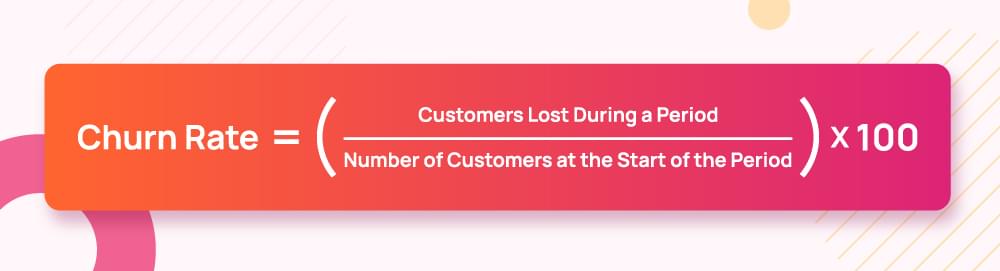
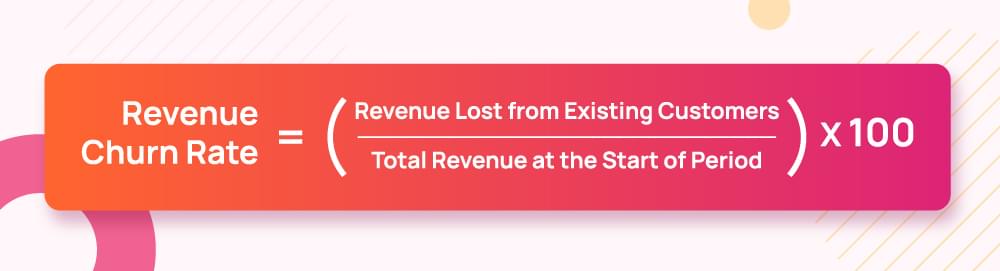
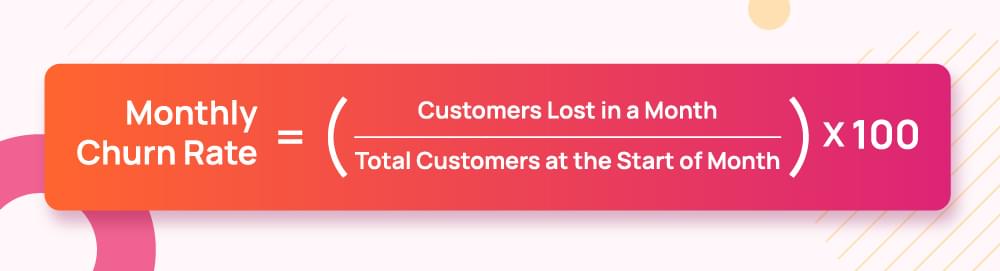
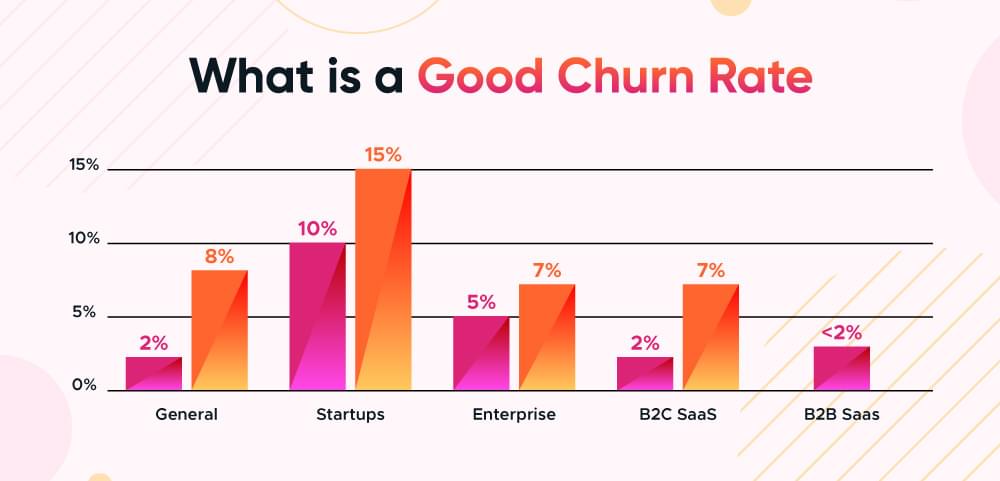
    <content type="html"><![CDATA[<p>Churn rate benchmarks for 2026 provide a comprehensive view of typical churn rates across different company sizes and sectors. The goal of this article is to analyze and understand B2B SaaS benchmarks in different industries.</p><span id="more"></span><p>The numbers discussed throughout this article are obtained from verified and reputable sources. Moreover, the 2026 churn rate benchmarks are estimated based on different studies and average churn seen in 2025 across various niches.</p><p>So, let’s get started!</p><p><strong>Table of Content</strong></p><ol><li><a href="#How-to-Calculate-Churn-Rate-SaaS">How to Calculate Churn Rate SaaS</a></li><li><a href="#What-is-Churn-rate-in-SaaS">What is Churn rate in SaaS?</a></li><li><a href="#Net-Saas-Churn-Rate">Net SaaS Churn Rate</a></li><li><a href="#Revenue-Churn-Rate">Revenue Churn Rate</a></li><li><a href="#Monthly-Recurring-Revenue-Subscription-Revenue">Monthly Recurring Revenue&#x2F;Subscription Revenue</a></li><li><a href="#Monthly-Churn-Rate">Monthly Churn Rate</a></li><li><a href="#Annual-Churn-Rate">Annual Churn Rate</a></li><li><a href="#What-is-a-good-churn-rate-for-SaaS">What is a good churn rate for SaaS?</a></li><li><a href="#What-is-the-best-metric-for-benchmarking-churn">What is the best metric for benchmarking churn</a></li><li><a href="#Factors-Affecting-Churn-Rate-Benchmarks-in-SaaS-Companies">Factors Affecting Churn Rate Benchmarks in SaaS Companies</a></li><li><a href="#B2B-SaaS-Churn-Rate-Benchmarks-Challenges">B2B SaaS Churn Rate Benchmarks &amp; Challenges</a></li><li><a href="#FAQs">FAQs</a></li><li><a href="#The-bottom-line">Conclusion</a></li></ol><p>Let’s dive into everything you need about B2B SaaS benchmarks. As churn experts at <strong><a href="https://churnfree.com/">Churnfree</a></strong> we help you understand why your users cancel their subscriptions and assist you in retaining them with personalized onboarding experiences. You’ll find a lot of great tips, B2B benchmarks, and guidance to <a href="https://churnfree.com/blog/how-to-reduce-customer-churn/">reduce your churn rates.</a></p><p>Knowing the deep-down definition of churn rate and how it can become subtly uncertain to affect your business strategies is imperative.</p><p>First, let’s explain what we mean by “churn rate.”</p><p>The churn rate estimates the number of users who cancel their subscriptions within a specific period. It is a beneficial practice to calculate revenue lost from churned users.</p><p>SaaS churn rates are critical for a business’s long-term undertakings and overall performance.</p><p>Let’s dig into how to calculate SaaS churn rate and have a look at B2B SaaS benchmarks for 2025.</p><h3 id="How-to-Calculate-Churn-Rate-SaaS"><a href="#How-to-Calculate-Churn-Rate-SaaS" class="headerlink" title="How to Calculate Churn Rate SaaS"></a>How to Calculate Churn Rate SaaS</h3><p>SaaS churn rate focuses on the number of users that leave your services monthly or annually. To measure the SaaS churn rate, you can divide the total number of churned users via the total number of users:</p><img src="/blog/b2b-saas-churn-rate-benchmarks/saas-churn-rate.jpg" class="" title="B2B SaaS churn rate benchmarks " alt="B2B SaaS churn rate benchmarks"><p>For example, if your business has 1000 customers and 80 ended their subscriptions last month, your customer churn rate is 8%. The SaaS churn rate is also understood as “logo churn.”</p><h2 id="What-is-Churn-Rate-in-SaaS"><a href="#What-is-Churn-Rate-in-SaaS" class="headerlink" title="What is Churn Rate in SaaS?"></a>What is Churn Rate in SaaS?</h2><p>In the context of SaaS, the churn rate is a critical metric that measures the rate at which customers stop using the service over a specific period. It is an indicator of customer retention and business health.</p><p>The churn rate estimates the number of users who cancel their subscriptions within a specific period. It is a beneficial practice to calculate revenue lost from churned users.</p><p>SaaS churn rates are critical for a business’s long-term undertakings and overall performance.</p><p>Let’s dig into how to calculate SaaS churn rate and have a look at B2B SaaS benchmarks for 2026.</p><h2 id="Net-SaaS-Churn-Rate"><a href="#Net-SaaS-Churn-Rate" class="headerlink" title="Net SaaS Churn Rate"></a>Net SaaS Churn Rate</h2><p>To get more accurate measurements, there’s the net SaaS churn rate, which evaluates the number of new users your business gained over a specific period.</p><p>To measure it, you need to divide the total number of left users by the number of new users gained over a period via the total number of users.</p><img src="/blog/b2b-saas-churn-rate-benchmarks/net-churn-rate.jpg" class="" title="net saas churn rate " alt="net saas churn rate"><p>For example, if your company has 1000 customers, 80 of them canceled their subscription last month, while your business gained 2 new users, your net SaaS churn rate would be 6%.</p><p>Nevertheless, customer retention is a tremendous metric to evaluate your customer base and product experience. Still, it does not offer real insights into the revenue affected by the churned users—it’s usually connected with the revenue churn rate. The real insight is gained by the tool that measures your Net SaaS churn rate and helps you define your users’ behavior patterns.</p><h2 id="Revenue-Churn-Rate"><a href="#Revenue-Churn-Rate" class="headerlink" title="Revenue Churn Rate"></a>Revenue Churn Rate</h2><p>The revenue SaaS churn rate calculates the ratio of lost revenue due to some reasons, such as downgrades, cancellations, payment failures, and other bottlenecks. To measure it, you can divide the total churned revenue over a specific period with the total revenue at the beginning.</p><p>Calculating revenue churn rate benchmarks involves a similar process, focusing on the financial impact:</p><ol><li><strong>Determine Revenue at Start:</strong> Note the total revenue at the beginning of the period.</li><li><strong>Assess Revenue Lost:</strong> Calculate the revenue lost due to customer churn during the period.</li><li><strong>Compute the Rate:</strong> Divide the lost revenue by the starting total, then multiply by 100 for the percentage.</li></ol><p>Example: If your starting revenue was $1 million and you lost $100,000 to churn, your revenue churn rate would be <code>(100,000/1,000,000) * 100</code>, equating to a 10% churn rate.</p><img src="/blog/b2b-saas-churn-rate-benchmarks/revenue-churn-rate.jpg" class="" title="B2B SaaS churn rate benchmarks " alt="B2B SaaS churn rate benchmarks"><p>For instance, if your total revenue is $2,000 and your churned revenue is $300, your revenue churn rate will be 15%. The revenue churn rate helps set different pricing tiers for subscription pricing plans, which do not fall under the category of SaaS churn rate.</p><p>Net revenue churn rates give insight into the financial impact of customer departures. Smaller B2B SaaS companies often face a net revenue churn rate ranging from 10% to 15%. In contrast, larger companies usually maintain a healthier rate of about 5% to 7%. These figures are pivotal for assessing the overall financial health and sustainability of a company.</p><p>The net revenue churn measures the revenue obtained from expansion, such as upsells, add-ons, or tier upgrades. To measure it, you can divide the total churned revenue minus the expansion revenue by the total revenue at the beginning of the period. The very reason to calculate the revenue churn rate is to gain more in-depth insights into the actual revenue lost and gained.</p><p>For instance, if your business gained $2000 and your churned revenue is $300, but you also gained an additional $80 from expansion, and the net revenue churn is 7%.</p><h2 id="Monthly-Recurring-Revenue-Subscription-Revenue"><a href="#Monthly-Recurring-Revenue-Subscription-Revenue" class="headerlink" title="Monthly Recurring Revenue&#x2F; Subscription Revenue"></a>Monthly Recurring Revenue&#x2F; Subscription Revenue</h2><p>SaaS businesses usually operate on a monthly income basis. Therefore, another important metric to calculate when and why your customers decide to leave your services—is the Monthly Recurring Revenue (MRR) Churn. To measure average churn rate for subscription services, you can divide the total churned MRR minus the expanded MRR with the total MRR at the beginning of the month.</p><img src="/blog/b2b-saas-churn-rate-benchmarks/mmr-churn-rate.jpg" class="" title="mrr rate " alt="mrr rate"><p>Likewise, you can know your Annual Recurring Revenue (ARR) churn if your business runs annually. Similarly, you can divide the total churned revenue minus the expanded revenue with the total ARR at the beginning of the year.</p><img src="/blog/b2b-saas-churn-rate-benchmarks/arr-churn-rate.jpg" class="" title="B2B SaaS benchmarks " alt="B2B SaaS benchmarks"><p>Similarly, you can estimate retention and measure Gross retention, Net retention, or Logo retention. Customer retention lets you track how successfully you can retain existing users happy and gain more revenue.</p><p>MRR and ARR metrics are essential for tracking the regular income generated from customers.</p><h3 id="Average-Monthly-Churn-Rate-of-B2B-SaaS-Companies"><a href="#Average-Monthly-Churn-Rate-of-B2B-SaaS-Companies" class="headerlink" title="Average Monthly Churn Rate of B2B SaaS Companies"></a>Average Monthly Churn Rate of B2B SaaS Companies</h3><p>Based on the <a href="https://optif.ai/learn/questions/B2B-saas-churn-rate-benchmark/">2025 data</a> analyzed and collected after the analysis of 900+ B2B SaaS companies, the average monthly churn is as follows:</p><ul><li><strong>Small and medium-sized</strong> SaaS firms have a monthly churn of <strong>3-5%.</strong></li><li><strong>Mid-market</strong> SaaS companies have a churn rate of <strong>1.5-3%</strong></li><li><strong>Enterprise-level</strong> organizations have a <strong>1-2%</strong> monthly churn rate, while some can even achieve &lt;1% monthly churn.</li></ul><p>Considering these B2B SaaS churn rate benchmarks, the <strong>annual churn</strong> is anywhere between <strong>6-10%.</strong></p><p><strong>Related Read:</strong> <a href="https://churnfree.com/blog/10-scalable-benefits-of-monthly-recurring-revenue-mrr/">Benefits of MRR</a></p><h3 id="Monthly-Churn-Rate"><a href="#Monthly-Churn-Rate" class="headerlink" title="Monthly Churn Rate"></a>Monthly Churn Rate</h3><p>For small to medium-sized SaaS businesses average SaaS churn rates revolve around 3% and 7%. On the other hand, around 1% is known to be ideal.<br>In the first quarter of 2025, average monthly churn rates are around 3.5% and is known to be improving to 2.5%.</p><h3 id="Annual-Churn-Rate"><a href="#Annual-Churn-Rate" class="headerlink" title="Annual Churn Rate"></a>Annual Churn Rate</h3><p>An annual churn rate of about 5% or less is essential for maintaining sustainable growth. It’s worth noting that larger companies typically experience lower churn rates due to their established market presence and the nature of their client contracts, which often include extended periods that limit churn.</p><p>The SaaS industry, on average, aims for an annual customer churn rate of 5% or lower for established companies. In contrast, the median gross dollar churn for SaaS companies stands at 12%, with a median annual logo churn of 13%, highlighting the challenges businesses face in minimizing revenue and customer losses year over year.</p><h2 id="What-is-a-good-churn-rate-for-SaaS"><a href="#What-is-a-good-churn-rate-for-SaaS" class="headerlink" title="What is a good churn rate for SaaS?"></a>What is a good churn rate for SaaS?</h2><img src="/blog/b2b-saas-churn-rate-benchmarks/good-saas-churn-rate.jpg" class="" title="good saas churn rate " alt="good saas churn rate"><p>A “good” churn rate is entirely dependent on the type and scale of your business. You should also consider who your customers are (SMBs vs. Enterprise) to find the right average churn rate for your SaaS business. For example, a 5% monthly churn rate would be a disaster for an enterprise SaaS tool, but it might be acceptable for a tool targeting freelancers.</p><p>The following table provides a quick baseline of what “good” churn rates and annual Average Revenue Per User (ARPU) look like for different segments:</p><table><thead><tr><th>Customer Segment</th><th>Typical ARPU (Annual)</th><th>Good Monthly Churn</th><th>Good Annual Churn</th></tr></thead><tbody><tr><td>SMB &#x2F; Prosumer</td><td>&lt; $1k - $5k</td><td>3% - 5%</td><td>30% - 50%</td></tr><tr><td>Mid-Market</td><td>$5k - $50k</td><td>1% - 3%</td><td>10% - 20%</td></tr><tr><td>Enterprise</td><td>$50k+</td><td>1% - 2%</td><td>5% - 10%</td></tr></tbody></table><h3 id="Annual-Churn-Rate-1"><a href="#Annual-Churn-Rate-1" class="headerlink" title="Annual Churn Rate"></a>Annual Churn Rate</h3><p>The gold standard of annual churn rate for mature enterprise SaaS companies is <strong>5-7%</strong>, which means 93-95% retention. However, for the overall B2B SaaS market, <strong>10-15%</strong> annual churn rate is considered healthy and sustainable.</p><h3 id="Monthly-Churn-Rate-1"><a href="#Monthly-Churn-Rate-1" class="headerlink" title="Monthly Churn Rate"></a>Monthly Churn Rate</h3><p>In terms of B2B SaaS monthly benchmarks, the mid-market and enterprise companies should aim to achieve <strong>&lt;1%,</strong> which translates to 11% annual churn rate due to compounding. However, the actual churn rate can is usually from <strong>3% to 5% monthly</strong>.</p><h3 id="Industry-Variation"><a href="#Industry-Variation" class="headerlink" title="Industry Variation"></a>Industry Variation</h3><p>Churn rates can vary significantly by industry and the specific type of SaaS product. For instance, B2B SaaS companies usually have lower churn rates compared to B2C SaaS companies because B2B relationships are often longer-term and more integrated into the client’s operations.</p><h3 id="Median-Churn-Rates"><a href="#Median-Churn-Rates" class="headerlink" title="Median Churn Rates"></a>Median Churn Rates</h3><p>According to surveys, the median annual gross dollar churn for SaaS companies is about 12%, and the median annual logo churn (the rate at which customers are lost) is approximately 13%​​. These figures provide a broader context for what might be considered typical across the industry.<br>Overall Median Annual Churn Rate is approximately 13%​.</p><p>Company size plays a crucial role in determining churn rates. Smaller companies, often newer in the market or with less established products, typically see higher churn rates, ranging from 3% to 7% annually. This is partly due to their customer base’s varying commitment levels and the lower financial barriers to switching services.</p><p>Larger companies, with well-established products and more substantial contractual agreements, usually maintain lower churn rates of about 1% to 2% annually. These firms benefit from longer client relationships and often provide more comprehensive solutions that integrate deeply into their clients’ operations, making switching more cumbersome and less likely.</p><p><strong>Related Read:</strong> <a href="https://churnfree.com/blog/average-churn-rate-for-subscription-services/">Average Churn rate for subscription services</a></p><h2 id="What-is-the-best-metric-for-benchmarking-churn"><a href="#What-is-the-best-metric-for-benchmarking-churn" class="headerlink" title="What is the best metric for benchmarking churn"></a>What is the best metric for benchmarking churn</h2><p>According to SaaS capital insights report, the best metric for benchmarking churn is gross revenue retention measured against companies with similar annual contract&#x2F; revenue values per customer.</p><p><strong>Related Read:</strong> <a href="https://churnfree.com/blog/gross-vs-net-which-is-more-important-for-your-business/">Gross vs Net Retention</a></p><h2 id="Factors-Affecting-Churn-Rate-Benchmarks-in-SaaS-Companies"><a href="#Factors-Affecting-Churn-Rate-Benchmarks-in-SaaS-Companies" class="headerlink" title="Factors Affecting Churn Rate Benchmarks in SaaS Companies"></a>Factors Affecting Churn Rate Benchmarks in SaaS Companies</h2><h3 id="Voluntary-vs-Involuntary-Churn"><a href="#Voluntary-vs-Involuntary-Churn" class="headerlink" title="Voluntary vs. Involuntary Churn"></a>Voluntary vs. Involuntary Churn</h3><p><strong>1. Voluntary Churn:</strong> This occurs when customers decide to cancel their subscriptions, often due to dissatisfaction with the product or service. Common reasons include a lack of needed features, poor customer support, or a better offer from a competitor. The voluntary churn rate for B2B companies stands at 3.50%, slightly lower than B2C companies at 4.04%.</p><p><strong>2. Involuntary Churn:</strong> This type happens without the customer’s intention to leave, usually due to payment issues like expired credit cards or insufficient funds. It’s significant to note that involuntary churn doesn’t reflect dissatisfaction with the product. The churn rate for B2B and B2C companies is almost the same, with B2B having a marginally higher involuntary churn figure due to these payment-related issues.</p><h2 id="B2B-SaaS-Churn-Rate-Benchmarks-Challenges"><a href="#B2B-SaaS-Churn-Rate-Benchmarks-Challenges" class="headerlink" title="B2B SaaS Churn Rate Benchmarks &amp; Challenges"></a>B2B SaaS Churn Rate Benchmarks &amp; Challenges</h2><p>In the uncertain economic climate, knowing the natural <a href="https://churnfree.com/blog/causes-of-customer-churn-in-saas/">causes of customer churn</a> should be the ultimate motive of every business. There are several B2B SaaS benchmarks and challenges every business face, and let’s dive into why they occur and what the solutions are.</p><h3 id="Churn-happens-when-businesses-fail-to-know-users’-behavior-patterns"><a href="#Churn-happens-when-businesses-fail-to-know-users’-behavior-patterns" class="headerlink" title="Churn happens when businesses fail to know users’ behavior patterns."></a>Churn happens when businesses fail to know users’ behavior patterns.</h3><p>Personalization is critical for your users to track their preferences, attitudes, and willingness to pay. Amazon, for example, can rely on extensive storage of past purchase decisions to calculate what its user is prepared to pay for specific products. Using advanced analytics, it examines the motives of past purchases—not only a user’s buying history, age, gender, and location but also monetary factors such as purchase value and monthly or yearly shopping expenditure—and then these metrics are used to measure the possibility of a new purchases users are willing to make. This way, you can decide on an accurate price plan, and your users don’t feel an over-pricing factor and do not cancel subscription plans to join your competitors’ service for lower prices.</p><h3 id="What-do-your-users-actually-want"><a href="#What-do-your-users-actually-want" class="headerlink" title="What do your users actually want?"></a>What do your users actually want?</h3><p>Personalization is essential because businesses profit from it, and users expect it. The study reveals that <a href="https://www.surveymonkey.com/curiosity/74-of-people-are-tired-of-social-media-ads-but-theyre-effective/">74% of users find mass marketing is frustrating</a>, as many businesses have observed a steep decline in the significance of newsletters, birthday mailings, and matching campaigns.</p><p>The users’ expectations grow as they are suggested to more personalized advertising through digital media and other advertising channels.</p><p>Paying attention to user behavior patterns can be helpful in making <a href="https://churnfree.com/blog/customer-retention-strategies/">customer retention strategies</a>.</p><h3 id="How-to-track-user-behavior-patterns-successfully"><a href="#How-to-track-user-behavior-patterns-successfully" class="headerlink" title="How to track user behavior patterns successfully?"></a>How to track user behavior patterns successfully?</h3><p>Three factors matter most to a victorious and scalable approach to measure the user behavior pattern: data, triggers, culture, and methods.</p><h3 id="1-Getting-the-correct-data-not-more-data"><a href="#1-Getting-the-correct-data-not-more-data" class="headerlink" title="1. Getting the correct data (not more data)"></a>1. Getting the correct data (not more data)</h3><p>A recent survey shows 67% of participants said their biggest challenge was using the right tools to find the right data. Obtaining the correct data is key to knowing best-in-class user behavior patterns, but it can pose a challenge for utilities. One common problem is how to drill down users’ data to stop perceived discrepancies and gaps causing SaaS churn, and so they can know how to generate insights and personalize product promotion campaigns for the better.</p><p>The market is swamped with wonderful tools to help retain your customers. Choosing the best tool for your need is an imperative task.</p><p><strong>Churnfree</strong> is an amazing <a href="https://churnfree.com/blog/churn-prediction-software/">churn prediction software</a> that has been helping several businesses retain their customers and help them make the best business decisions.</p><ul><li>One of its greater benefits is its intelligence and automated metrics that drill down the right data and help you take action on all discrepancies that made the customers leave your products.</li><li>It has advanced automated metrics to predict user behavior more correctly and successfully. Metrics such as <a href="https://churnfree.com/blog/customer-lifetime-value-and-churn-rate/">customer lifetime value</a> or upselling probabilities help you make better decisions.</li><li>It helps extract relevant external data that might contain a user’s buying power, demographic group, and other characteristics</li><li>Builds <a href="https://churnfree.com/blog/cancel-flow/">cancel flow</a> for customers who want to unsubscribe, helping you retain customers.</li></ul><h3 id="2-Determining-the-right-triggers-for-successful-user-contact"><a href="#2-Determining-the-right-triggers-for-successful-user-contact" class="headerlink" title="2. Determining the right triggers for successful user contact"></a>2. Determining the right triggers for successful user contact</h3><p>Finding the right time to contact a user is key. That means finding and testing certain events associated with a specific user—a form of trigger-based marketing relatively close to the B2B SaaS business sector.</p><p>Models of triggers may contain visits to web stores and webpages, online searches on specific products for price comparisons, and clicks on FAQs about finding a better solutions.</p><p>Businesses have to pay a close attention to such triggers. For instance, metrics track a user browsing online about FAQs and clicking on questions about a particular product; it can send the user an automated message promoting its service and a new discounted price plan to enable the user to resume using its services.</p><h3 id="3-Using-the-correct-methods-and-tech-to-scale-up-successfully"><a href="#3-Using-the-correct-methods-and-tech-to-scale-up-successfully" class="headerlink" title="3. Using the correct methods and tech to scale up successfully"></a>3. Using the correct methods and tech to scale up successfully</h3><p>Many B2B SaaS businesses get caught in pilot mode, running a few effective campaigns but need help running them out across their user base. To scale up, they must take three actions:</p><ul><li>Revise their data in real-time and automate their algorithms.</li><li>Ensure your system infrastructure is firm and steady.</li><li>Create more interfaces for your sales channels.</li></ul><h2 id="Some-more-B2B-SaaS-Benchmarks"><a href="#Some-more-B2B-SaaS-Benchmarks" class="headerlink" title="Some more B2B SaaS Benchmarks"></a>Some more B2B SaaS Benchmarks</h2><ol><li>Sales and Marketing:</li></ol><ul><li>Sales spending: 10.5% of ARR (down from 15% the previous year).</li><li>Marketing spending: 8% of ARR (down from 10%)​.</li></ul><ol start="2"><li>Customer Support and Success:</li></ol><ul><li>8.5% of ARR, indicating a slight decrease potentially due to improved product usability and support efficiency​.</li></ul><ol start="3"><li>Technology and Infrastructure:</li></ol><ul><li>Hosting: 5% of ARR.</li><li>DevOps: 4% of ARR​.</li></ul><ol start="4"><li>Research and Development (R&amp;D):</li></ol><ul><li>18% of ARR, down from 24%, suggesting a shift towards more efficient R&amp;D spending as the industry matures​.</li></ul><ol start="5"><li>Freemium to Paid Conversion Rates:</li></ol><ul><li>Freemium products: around 5%.</li><li>Free trials: around 10%.</li></ul><h2 id="FAQs"><a href="#FAQs" class="headerlink" title="FAQs"></a>FAQs</h2><p><strong>1. What is the typical conversion rate for B2B SaaS companies?</strong><br>The average lead-to-customer conversion rate for B2B SaaS companies generally ranges from 1% to 5%. Factors such as lead quality and the effectiveness of lead nurturing strategies can influence this rate. A conversion rate exceeding 5% is considered indicative of a highly efficient lead generation and nurturing process.</p><p><strong>2. What are the current churn rate benchmarks for SaaS businesses?</strong><br>For small to medium-sized SaaS businesses, the typical monthly churn rate benchmarks lies between 3% and 7%. This rate is influenced by factors such as the pricing and subscription model, which affect the cost for a customer to switch services.</p><p><strong>3. What is an acceptable churn rate for a B2B app’s free plan?</strong><br>In the context of various industries, the average churn rate for free plans in B2B applications, such as those in Software and Business &amp; Professional Services sectors, is around 3.8%. This contrasts with sectors like Digital Media and Entertainment, Consumer Goods and Retail, and Education, which see an average churn rate of 6.5%.</p><p><strong>4. What retention rate should B2B SaaS businesses aim for?</strong><br>Best-in-class SaaS businesses, irrespective of their size or industry, typically achieve a churn rate of approximately 85-87%. This figure can vary depending on factors like company size and business model, but it serves as a benchmark for exceptional performance in customer retention.</p><h2 id="The-Bottom-Line"><a href="#The-Bottom-Line" class="headerlink" title="The Bottom Line"></a>The Bottom Line</h2><p>Millions business online if not billions, they cant survive without the information of algorithms. The metrics offer the insights that lead you to determine the user behavior patterns. Ensure that you have strong infrastructure to support user retention strategies and B2B SaaS benchmarks.</p><p>A <a href="https://churnfree.com/blog/best-churn-management-software-to-keep-your-business-afloat/">churn management software</a> like Churnfree helps you understand the bottlenecks coming in your way of building customer retention strategies.</p>]]></content>
    
    
    <summary type="html">&lt;p&gt;Churn rate benchmarks for 2026 provide a comprehensive view of typical churn rates across different company sizes and sectors. The goal of this article is to analyze and understand B2B SaaS benchmarks in different industries.&lt;/p&gt;</summary>


    <category term="benefits of a good retention flow" scheme="https://churnfree.com/blog/categories/benefits-of-a-good-retention-flow/"/>
    
    
    <category term="b2b saas churn rate benchmarks" scheme="https://churnfree.com/blog/tags/b2b-saas-churn-rate-benchmarks/"/>
    
    <category term="b2b benchmark" scheme="https://churnfree.com/blog/tags/b2b-benchmark/"/>
    
    <category term="saas churn" scheme="https://churnfree.com/blog/tags/saas-churn/"/>
    
    <category term="saas churn rates" scheme="https://churnfree.com/blog/tags/saas-churn-rates/"/>
    
    <category term="churn rate for saas" scheme="https://churnfree.com/blog/tags/churn-rate-for-saas/"/>
    
    <category term="what is a good churn rate" scheme="https://churnfree.com/blog/tags/what-is-a-good-churn-rate/"/>
    
    <category term="mrr churn" scheme="https://churnfree.com/blog/tags/mrr-churn/"/>
    
    <category term="average churn rate for saas" scheme="https://churnfree.com/blog/tags/average-churn-rate-for-saas/"/>
    
    <category term="saas retention rate" scheme="https://churnfree.com/blog/tags/saas-retention-rate/"/>
    
    <category term="average churn rate by industry" scheme="https://churnfree.com/blog/tags/average-churn-rate-by-industry/"/>
    
    <category term="saas metric benchmarks" scheme="https://churnfree.com/blog/tags/saas-metric-benchmarks/"/>
    
    <category term="churn software" scheme="https://churnfree.com/blog/tags/churn-software/"/>
    
    <category term="guide to churned customers" scheme="https://churnfree.com/blog/tags/guide-to-churned-customers/"/>
    
  </entry>
  
  <entry>
    <title>Customer Retention vs Customer Acquisition: Top Differences</title>
    <link href="https://churnfree.com/blog/customer-retention-vs-customer-acquisition/"/>
    <id>https://churnfree.com/blog/customer-retention-vs-customer-acquisition/</id>
    <published>2025-10-30T20:19:50.000Z</published>
    <updated>2026-02-26T11:23:52.847Z</updated>
    
    <content type="html"><![CDATA[<p>Customer retention vs customer acquisition is a common situation many businesses face in varying stages. The crux of this debate is about whether a brand should focus on attracting new customers or keeping the old ones happy and satisfied.</p><p>However, it is important to note that between acquisition vs retention, you don’t necessarily have to pick only one option.</p><p>In this comprehensive article, we’ll break down everything you need to know about customer acquisition and customer retention to help you understand the key differences and implement the right strategy.</p><h2 id="What-is-Customer-Acquisition"><a href="#What-is-Customer-Acquisition" class="headerlink" title="What is Customer Acquisition?"></a>What is Customer Acquisition?</h2><p>Customer acquisition is the process of attracting new customers to your business. It includes every marketing effort and strategy to turn strangers into paying customers.</p><p>A general customer acquisition process involves reaching out to cold prospects, guiding them through the sales funnel, and convincing them that you are offering the best solution to ensure successful conversion.</p><blockquote><p>The primary goal of customer acquisition strategies is to expand your customer reach and get new customers.</p></blockquote><h2 id="What-is-Customer-Retention"><a href="#What-is-Customer-Retention" class="headerlink" title="What is Customer Retention?"></a>What is Customer Retention?</h2><p>Customer retention is the process of keeping your existing customers satisfied, so they continue to be your paying customers. It involves a wide range of customer engagement strategies to build strong relationships and maximize the <a href="https://churnfree.com/blog/customer-lifetime-value-and-churn-rate/">customer lifetime value.</a></p><blockquote><p>The primary goal of <a href="https://churnfree.com/blog/customer-retention-strategies/">customer retention strategies</a> is to reduce churn and increase customer lifetime value.</p></blockquote><h2 id="Core-Differences-Between-Customer-Acquisition-vs-Customer-Retention"><a href="#Core-Differences-Between-Customer-Acquisition-vs-Customer-Retention" class="headerlink" title="Core Differences Between Customer Acquisition vs Customer Retention"></a>Core Differences Between Customer Acquisition vs Customer Retention</h2><img src="/blog/customer-retention-vs-customer-acquisition/customer-acquisition-vs-customer-retention.jpg" class="" title="Customer Acquisition vs Customer Retention " alt="Customer Acquisition vs Customer Retention"><p>Let’s discuss the differences between customer acquisition vs retention marketing to better understand how they impact a business:</p><h3 id="1-Cost"><a href="#1-Cost" class="headerlink" title="1. Cost"></a>1. Cost</h3><p>The most important difference between customer acquisition and customer retention is cost. Acquiring a new customer can <a href="https://www.forbes.com/councils/forbesbusinesscouncil/2022/12/12/customer-retention-versus-customer-acquisition/">cost 5 to 7 times more</a> than retention. Some studies suggest this number to be up to 25 times more expensive.</p><p>Such a massive difference is due to the fact that <strong>customer acquisition starts from zero</strong>. You have to build brand awareness and establish trust with the prospect. Hence, it involves higher ad costs and spending more sales resources to close the deals.</p><p>On the other hand, <strong>customer retention is possible on existing trust.</strong> Your customer already knows about your product’s working, so retention strategies, such as loyalty programs, are easier and cheaper to execute than acquisition strategies.</p><h3 id="2-Conversion"><a href="#2-Conversion" class="headerlink" title="2. Conversion"></a>2. Conversion</h3><p>Customer retention is a winner when compared to customer acquisition in terms of conversion rate. The probability of successful conversion of a new prospect is anywhere between 5% to 20%. On the other hand, this probability increases to 60% to 70% for existing customers.</p><p>This difference is due to the <strong>trust gap.</strong> New customers are not sure whether you will be able to deliver on your promises, while the existing customers are likely to have seen your product and service firsthand. In SaaS businesses, this difference is huge as it can help them in upselling, cross-selling, and more renewals.</p><h3 id="3-Revenue-Impact"><a href="#3-Revenue-Impact" class="headerlink" title="3. Revenue Impact"></a>3. Revenue Impact</h3><p><a href="https://hbr.org/2014/10/the-value-of-keeping-the-right-customers">Statistics</a> show that even a 5% increase in customer retention rate can boost profits by 25% to 95%. In other words, even a modest improvement in keeping the current customers can almost double your profitability.</p><p>On the other hand, customer acquisition is essential for growth, but has a lower initial return-on-investment. new customers start with discounted or trial offers, so it can take a significant amount of time before the acquisition turns profitable.</p><h3 id="4-Marketing-Approach"><a href="#4-Marketing-Approach" class="headerlink" title="4. Marketing Approach"></a>4. Marketing Approach</h3><p>The marketing approaches of acquisition vs retention are quite different.</p><p>Acquisition marketing is <strong>persuasive and interruptive.</strong> It means brands have to push their message to an audience who is not necessarily aware of it. That’s why customer acquisition strategies involve creating awareness and building trust from scratch.</p><p>On the flip side, retention marketing is <strong>relationship-driven.</strong> It involves engaging the customers and keeping them satisfied with your products and services. That’s why customer retention strategies involve delivering ongoing value and personalized experiences.</p><h3 id="5-Metrics"><a href="#5-Metrics" class="headerlink" title="5. Metrics"></a>5. Metrics</h3><p>The following table lists the key metrics you have to track and analyze in customer acquisition vs retention:</p><table><thead><tr><th><strong>Focus Area</strong></th><th><strong>Key Metrics</strong></th></tr></thead><tbody><tr><td><strong>Customer Acquisition</strong></td><td>- Customer Acquisition Cost (CAC) <br> - Cost per Lead (CPL) <br> - Conversion Rate <br> - Marketing Qualified Leads (MQLs) <br> - Sales Qualified Leads (SQLs) <br> - Time to Conversion <br> - Channel Performance (ROI by source)</td></tr><tr><td><strong>Customer Retention</strong></td><td>- Churn Rate <br> - Customer Lifetime Value (CLV) <br> - Net Revenue Retention (NRR) <br> - Customer Health Score <br> - Repeat Purchase Rate <br> - Net Promoter Score (NPS) <br> - Customer Satisfaction (CSAT)</td></tr></tbody></table><p><strong>Also read:</strong> <a href="https://churnfree.com/blog/customer-retention-analytics/">Customer Retention Analytics 101: A Complete Guide</a></p><h3 id="6-Time"><a href="#6-Time" class="headerlink" title="6. Time"></a>6. Time</h3><p>Customer acquisition typically yields quicker and more visible results. For example, when you launch a <a href="https://subtitlebee.com/blog/black-friday-and-cyber-monday-software-deals/">seasonal marketing campaign</a>, you’ll be able to see its impact within weeks. Retention, however, is a long game that provides benefits over a long period of time. A customer retained today can generate massive returns over the years.</p><p>Understanding the above differences between customer retention vs acquisition is the key to having a comprehensive strategy that caters to new customers as well as existing ones.</p><h2 id="Similarities-Between-Customer-Retention-and-Acquisition"><a href="#Similarities-Between-Customer-Retention-and-Acquisition" class="headerlink" title="Similarities Between Customer Retention and Acquisition"></a>Similarities Between Customer Retention and Acquisition</h2><p>Despite some significant differences, there are some surprising similarities between customer acquisition and retention:</p><ul><li>Whether you are bringing in new customers or engaging the existing ones, both strategies <strong>drive revenue growth.</strong></li><li><strong>Thorough customer understanding</strong> is necessary for both types of strategies.</li><li>Your brand promise is likely to attract new customers, while living up to your promises can retain them. So, <strong>consistent branding</strong> is vital.</li><li>Customer acquisition and customer retention cannot succeed without <strong>strategic planning</strong>. So, you must establish clear goals and KPIs for strategic resource allocation.</li></ul><p>Overall, businesses that treat both customer retention and acquisition as interconnected parts of a comprehensive strategy are likely to succeed in the long run.</p><h2 id="When-to-Focus-on-Customer-Acquisition"><a href="#When-to-Focus-on-Customer-Acquisition" class="headerlink" title="When to Focus on Customer Acquisition?"></a>When to Focus on Customer Acquisition?</h2><p>Customer acquisition is essential for the following scenarios:</p><h3 id="1-New-Business"><a href="#1-New-Business" class="headerlink" title="1. New Business"></a>1. New Business</h3><p>When you have just started your business and have literally no customers to retain, you have to focus on branding and acquiring new customers. Your focus needs to be on validating the product-market fit in this stage and crafting a marketing campaign that resonates with your target audience.</p><p>But, even at this stage, you should try to retain your early customers and turn them into brand advocates.</p><h3 id="2-Entering-New-Markets"><a href="#2-Entering-New-Markets" class="headerlink" title="2. Entering New Markets"></a>2. Entering New Markets</h3><p>If you are expanding your business into a new category or region, you need to focus on acquiring customers who might not be familiar with your brand at all. It is also possible that you want to shift from being a small business to an enterprise, so you’ll essentially be starting over in terms of brand awareness and credibility.</p><h3 id="3-Rapid-Growth"><a href="#3-Rapid-Growth" class="headerlink" title="3. Rapid Growth"></a>3. Rapid Growth</h3><p>A business can experience rapid growth if the market conditions are favorable. For instance, you might secure large funding. In such a situation, it is vital to increase your budget towards customer acquisition strategies.</p><h3 id="4-Achieve-Revenue-Goals"><a href="#4-Achieve-Revenue-Goals" class="headerlink" title="4. Achieve Revenue Goals"></a>4. Achieve Revenue Goals</h3><p>Even the most mature companies often struggle to achieve their revenue goals. Moreover, churn rate can increase unpredictably due to a variety of reasons. In such a situation, acquisition becomes important to hit your targets.</p><h3 id="5-Businesses-with-Infrequent-Purchases"><a href="#5-Businesses-with-Infrequent-Purchases" class="headerlink" title="5. Businesses with Infrequent Purchases"></a>5. Businesses with Infrequent Purchases</h3><p>There are lots of businesses that have a low-frequency purchasing model. For example, a software company offering lifetime subscriptions or even a company selling cars. Customer retention looks significantly different in these business models, and acquisition remains the most important factor for growth.</p><h2 id="When-to-Focus-on-Customer-Retention"><a href="#When-to-Focus-on-Customer-Retention" class="headerlink" title="When to Focus on Customer Retention?"></a>When to Focus on Customer Retention?</h2><p>Many businesses, especially SaaS companies, find real success in long-term customer retention. Here are the key situations when you must focus on customer retention strategies:</p><h3 id="1-Successful-Product-Market-Fit"><a href="#1-Successful-Product-Market-Fit" class="headerlink" title="1. Successful Product-Market Fit"></a>1. Successful Product-Market Fit</h3><p>Once you have validated that customers want the products or services you are offering, you should focus on delivering the value continuously and keep the customers engaged. Retention, followed by scaling, can bring sustainability to your revenue growth.</p><h3 id="2-Rising-Customer-Acquisition-Costs"><a href="#2-Rising-Customer-Acquisition-Costs" class="headerlink" title="2. Rising Customer Acquisition Costs"></a>2. Rising Customer Acquisition Costs</h3><p>If your customer acquisition cost is increasing, you should divert your focus towards improving retention to extend customer lifetime value and bring a balance to your business. You can also use tools like <a href="https://churnfree.com/">Churnfree</a> to reduce churn via proactive intervention.</p><h3 id="3-Established-Businesses"><a href="#3-Established-Businesses" class="headerlink" title="3. Established Businesses"></a>3. Established Businesses</h3><p>If you have built a substantial customer base, you need to make sure you are able to retain the customers as well. The ROI of retention strategies is far superior to customer acquisition.</p><h3 id="4-Limited-Marketing-Budget"><a href="#4-Limited-Marketing-Budget" class="headerlink" title="4. Limited Marketing Budget"></a>4. Limited Marketing Budget</h3><p>If you have a limited marketing budget or if your company is going through a difficult phase, then you’ll find customer retention to be critical for survival. Keeping the current revenue can help you keep your business afloat because it is easier than finding new revenue sources.</p><h3 id="5-Customer-Feedback"><a href="#5-Customer-Feedback" class="headerlink" title="5. Customer Feedback"></a>5. Customer Feedback</h3><p>If you are experiencing a high churn rate or seeing consistent patterns in cancellation reasons, it is a clear indication that your retention efforts need quick attention. This is why it is important to <a href="https://churnfree.com/features/customer-retention-cancellation-feedbacks#step1">collect customer feedback</a> during the cancellation process to make sure you have complete insights about customer experience and make necessary changes.</p><h2 id="The-Acquisition-Retention-Flywheel"><a href="#The-Acquisition-Retention-Flywheel" class="headerlink" title="The Acquisition-Retention Flywheel"></a>The Acquisition-Retention Flywheel</h2><img src="/blog/customer-retention-vs-customer-acquisition/acquisition-retention-flywheel.jpg" class="" title="Acquisition-Retention Flywheel " alt="Acquisition-Retention Flywheel"><p>The truth is that pitting customer retention and customer acquisition against each other is not a smart thing. The most successful businesses are the ones that know the importance of both of these strategies, and they create a flywheel effect to get the maximum benefits.</p><p>Here’s how the flywheel works:</p><p><strong>1. Acquisition brings new customers</strong> to your business, leading to more reach and revenue.<br><strong>2. Retention keeps those customers</strong> happy, leading to higher profitability.<br><strong>3. Retained customers advocate for</strong> your products or services that bring down the acquisition cost and improve conversion.<br><strong>4. Lower acquisition costs</strong> increase the lifetime value, resulting in higher margins.<br><strong>5. More data from more customers</strong> means you can implement personalized customer marketing and engagement strategies.</p><h2 id="Conclusion"><a href="#Conclusion" class="headerlink" title="Conclusion"></a>Conclusion</h2><p>The bottom line is that you don’t need to choose between customer acquisition vs customer retention. Instead, you should aim to balance both approaches for optimum and sustainable growth.</p><p>Remember, customer acquisition strategies fuel growth, while retention strategies drive long-term profitability. Together, they create the much-needed momentum to make a business successful.</p><p>Customer retention software like Churnfree can help you execute effective customer retention strategies to deliver personalized experiences and minimize cancellations. So, <a href="https://churnfree.com/signup?signup=blog">try out the tool today for free</a> and get closer to your goal of establishing a successful business.</p>]]></content>


    <summary type="html">&lt;p&gt;Customer retention vs customer acquisition is a common situation many businesses face in varying stages. The crux of this debate is about</summary>


    <category term="all about your customers" scheme="https://churnfree.com/blog/categories/all-about-your-customers/"/>
    
    
    <category term="customer retention" scheme="https://churnfree.com/blog/tags/customer-retention/"/>
    
    <category term="customer acquisition" scheme="https://churnfree.com/blog/tags/customer-acquisition/"/>
    
    <category term="customer acquisition vs customer retention" scheme="https://churnfree.com/blog/tags/customer-acquisition-vs-customer-retention/"/>
    
    <category term="differences between customer acquisition vs customer retention" scheme="https://churnfree.com/blog/tags/differences-between-customer-acquisition-vs-customer-retention/"/>
    
    <category term="choosing between acquisition and retention" scheme="https://churnfree.com/blog/tags/choosing-between-acquisition-and-retention/"/>
    
    <category term="acquisition-retention flywheel" scheme="https://churnfree.com/blog/tags/acquisition-retention-flywheel/"/>
    
  </entry>
  
  <entry>
    <title>Frightfully Fun Customer Loyalty Rewards This Halloween!</title>
    <link href="https://churnfree.com/blog/halloween-customer-loyalty-rewards/"/>
    <id>https://churnfree.com/blog/halloween-customer-loyalty-rewards/</id>
    <published>2025-10-03T12:59:34.000Z</published>
    <updated>2026-02-26T11:23:52.887Z</updated>
    
    <content type="html"><![CDATA[<p>Trick or Treat! Treat you users with Spooktacular customer loyalty rewards this Halloween. This blog lists the loyalty rewards you can give to your customers on Halloween 2025.</p><span id="more"></span><img src="/blog/halloween-customer-loyalty-rewards/trick-or-treat.jpg" class="" title="Trick or treat " alt="Trick or treat"><p>Halloween can be the perfect opportunity to create customer loyalty rewards that can increase seasonal sales and turn them into long term customer relationships. This spooky holiday gives you the opportunity to make lasting impressions and get customers back year after year, even after the jack-o’lanterns are put away.</p><p>In this article, we will look at various loyalty rewards you can give to your customers to make them feel appreciated and re-engage. While Halloween comes with a lot of discounts and offers, you need to make sure your customers stick to you, even if you’re not offering any discounts. But how?</p><p>This blog also discusses a number of ways you can reward your customers without offering any special discount for all.</p><p>Let’s get started!</p><h2 id="1-Launch-a-Halloween-Email-Campaign"><a href="#1-Launch-a-Halloween-Email-Campaign" class="headerlink" title="1. Launch a Halloween Email Campaign"></a>1. Launch a Halloween Email Campaign</h2><p>Email campaigns are a must when we think of any holiday season. Therefore, the first thing to do is set up an email campaign this Halloween.</p><h3 id="Email-Contests"><a href="#Email-Contests" class="headerlink" title="Email Contests"></a>Email Contests</h3><p>For this Halloween, give your loyal customers a reason to engage and reward them with a fun, themed email contest! The activities you can organize to create excitement include spooky costume or pumpkin carving contest, Halloween trivia, mystery box giveaway or a photo scavenger hunt. Make sure to include an email with contest guidelines, exciting prizes, and enticing subject line like “🎃 Enter Our Spooktacular Halloween Contest &amp; Win!” This Halloween year HackerNoon arranges 2 writing contests for a $30,000 worth reward to their loyal customers!</p><img src="/blog/halloween-customer-loyalty-rewards/halloween-contest.jpg" class="" title="Halloween email contest " alt="Halloween email contest"><h3 id="If-you’ve-a-discount-share-it"><a href="#If-you’ve-a-discount-share-it" class="headerlink" title="If you’ve a discount, share it"></a>If you’ve a discount, share it</h3><p>If you have a discount running this Halloween, you can create a campaign to let them know about your discount. I received IssueWire pre halloween discount a few days back.</p><img src="/blog/halloween-customer-loyalty-rewards/issuewire-halloween-discount.jpg" class="" title="Halloween discount email " alt="Halloween discount email"><p>By creating personalized and engaging content, businesses can capture their audience’s attention and drive sales during this spooky season.</p><h3 id="If-you’re-not-running-any-special-discount"><a href="#If-you’re-not-running-any-special-discount" class="headerlink" title="If you’re not running any special discount"></a>If you’re not running any special discount</h3><p><strong>Send Spooky Stories:</strong> You can always keep your customers engaged with Halloween themed content like halloween history, traditions, recipes or costumes sent to their emails. Send them Halloween related stories and content from your blog like Bloglovin did this year.</p><img src="/blog/halloween-customer-loyalty-rewards/halloween-newsletter.jpg" class="" title="Halloween email newsletter " alt="Halloween email newsletter"><p><strong>Make a Halloween List:</strong> You can suggest Halloween movies in the Halloween season like Netflix does and share it in your newsletter.</p><img src="/blog/halloween-customer-loyalty-rewards/netflix-halloween.jpg" class="" title="Netflix Halloween list " alt="Netflix Halloween list"><p>By providing valuable and entertaining content, businesses can keep their brand top-of-mind and encourage customers to interact with their loyalty program.</p><p><strong>Send your latest product update with Halloween touch:</strong></p><p>If you’ve been updating your features, then Halloween is a good time to let your users know about it. Send product updates as a little treat for your customers.</p><img src="/blog/halloween-customer-loyalty-rewards/halloween-email.jpg" class="" title="Halloween email subject " alt="Halloween email subject"><h2 id="2-Bring-a-Friend-Get-a-Treat"><a href="#2-Bring-a-Friend-Get-a-Treat" class="headerlink" title="2. Bring a Friend, Get a Treat"></a>2. Bring a Friend, Get a Treat</h2><p>Special Halloween rewards can be given to customers who refer friends to businesses. For instance, they’ll get a themed gift and extra points on top of the normal referral bonus. Not just that, this approach also encourages referrals and brings in a bit of fun, seasonal element to the program.</p><h3 id="Referral-Milestone-Rewards"><a href="#Referral-Milestone-Rewards" class="headerlink" title="Referral Milestone Rewards"></a>Referral Milestone Rewards</h3><p>A tiered system that provides more rewards as referrals grow can encourage customers to share more. For example, they might refer three friends and get a small discount, refer ten friends and get a larger prize. The approach involves keeping customers engaged and constantly referring to the referral program.</p><h2 id="3-Engage-and-Get-a-Treat"><a href="#3-Engage-and-Get-a-Treat" class="headerlink" title="3. Engage and Get a Treat"></a>3. Engage and Get a Treat</h2><p>This approach is a win-win for you and for the customer as well. You send them Halloween reward for engaging with your site, just like referring a friend. You can also ask them to write a review for you.</p><p>While in this case, G2 itself sends rewards for writing a G2 review for any platform. This encourages users to write reviews for the tools they use.</p><img src="/blog/halloween-customer-loyalty-rewards/g2-halloween-reward.jpg" class="" title="g2 halloween reward " alt="g2 halloween reward"><h2 id="4-Social-Media-Sharing-Incentives"><a href="#4-Social-Media-Sharing-Incentives" class="headerlink" title="4. Social Media Sharing Incentives"></a>4. Social Media Sharing Incentives</h2><p>It can be very useful to encourage customers to share their Halloween experiences on social media to significantly raise brand visibility. There are contests which businesses could set up where participants post photos of their costumes or decorations using a specific hashtag. Prizes could be offered such as gift cards or product bundles based on the best entries. This year kanofsky group does a <strong>‘Pet Halloween Contest’</strong> in which users are to dress up their pets for Halloween and submit photos for a chewy gift card.</p><img src="/blog/halloween-customer-loyalty-rewards/halloween-social-media-incentives.jpg" class="" title="halloween social media contest " alt="halloween social media contest"><h2 id="5-Create-a-Halloween-Rewards-Shop"><a href="#5-Create-a-Halloween-Rewards-Shop" class="headerlink" title="5. Create a Halloween Rewards Shop"></a>5. Create a Halloween Rewards Shop</h2><p>A Halloween rewards shop can be an effective way to boost customer loyalty and engagement during the spooky season. By offering seasonal items and collectibles, e-commerce businesses can create excitement and encourage customers to redeem their points.</p><p><em>Check out: <a href="https://churnfree.com/blog/what-is-the-most-direct-cause-of-customer-loyalty/">What is the most direct cause of customer loyalty</a></em></p><h3 id="Exclusive-member-only-offers"><a href="#Exclusive-member-only-offers" class="headerlink" title="Exclusive member only offers"></a>Exclusive member only offers</h3><p>In case, you’re not running any discounts for everyone but want to reward your loyal customers without any special big discounts, then you can run an exclusive member-only offers. Such as giving an early access to Halloween products, offering 2x points on purchasing, or collection of limited-edition Halloween products.</p><h3 id="Redeem-Loyalty-points"><a href="#Redeem-Loyalty-points" class="headerlink" title="Redeem Loyalty points"></a>Redeem Loyalty points</h3><p>You can highlight Halloween related products that customers can redeem with their loyalty points. This will not only enable users to think of it as a free deal for them and will increase purchases but also make them feel valued.</p><img src="/blog/halloween-customer-loyalty-rewards/halloween-shopping.jpg" class="" title="halloween eCommerce shopping " alt="halloween eCommerce shopping"><h3 id="Limited-Edition-Halloween-Collectibles"><a href="#Limited-Edition-Halloween-Collectibles" class="headerlink" title="Limited Edition Halloween Collectibles"></a>Limited Edition Halloween Collectibles</h3><p>And to add, businesses can add branded, seasonal items that customers can only <strong>unlock through points</strong>. Halloween themed tote bags, quirky mugs or branded accessories could be part of these.</p><h3 id="Charity-Donation-Options"><a href="#Charity-Donation-Options" class="headerlink" title="Charity Donation Options"></a>Charity Donation Options</h3><p>The Halloween rewards shop gives customers the option to donate their loyalty points to charity, giving their rewards shop a meaningful dimension. Now, many loyalty programs are helping customers to support the causes they care about without having to spend their wallets directly.</p><p>Marriott Bonvoy members can donate their points to various charitable organizations through the Marriott Bonvoy website, including global relief organizations and local charities.</p><h2 id="6-Offer-Random-Rewards-and-Upgrades"><a href="#6-Offer-Random-Rewards-and-Upgrades" class="headerlink" title="6. Offer Random Rewards and Upgrades"></a>6. Offer Random Rewards and Upgrades</h2><p>Halloween can have surprise and delight moments that can make a big difference in customer loyalty. You can offer unexpected rewards to your customers for their loyalty.</p><p>Randomly dropping <strong>free rewards such as free product feature, free points and limited time premium upgrade</strong> to your loyal customers will bring excitement. You can even ask your customer to ‘Buy one more product worth bare minimum to collect your gift’. This will encourage them to make a small purchase and grab their gift. Surprising customers with unexpected discounts, free products, or even limited access to Halloween themed items is a great way for businesses to surprise customers.</p><p>Canva often hosts themed contests and challenges for holidays such as Halloween. They encourage their users to use themed designs by <strong>offering premium subscriptions</strong> or premium templates for free in the holiday season.</p><p>Zendesk also offers <strong>extended trial periods</strong> for their customers by engaging with special Halloween themed content or training sessions to encourage users to try more of their features.</p><img src="/blog/halloween-customer-loyalty-rewards/halloween-gift.jpg" class="" title="halloween gift " alt="halloween gift"><h2 id="7-Joint-Loyalty-Events"><a href="#7-Joint-Loyalty-Events" class="headerlink" title="7. Joint Loyalty Events"></a>7. Joint Loyalty Events</h2><p>Halloween is an ideal opportunity to increase cross promotion strategies that will greatly boost customer loyalty rewards.</p><p>Organizing joint Halloween-themed events or webinars can be an effective way to engage customers and offer unique rewards. Participants can earn extra loyalty points or exclusive Halloween rewards, encouraging customer retention and fostering a sense of community among loyal customers.</p><h2 id="8-Last-but-not-the-least-Personal-Thank-You-Notes"><a href="#8-Last-but-not-the-least-Personal-Thank-You-Notes" class="headerlink" title="8. Last but not the least, Personal Thank You Notes"></a>8. Last but not the least, Personal Thank You Notes</h2><p>Personalized thank you notes included with Halloween orders can make a nice touch for the customer experience. Gratitude handwritten notes can create an emotional connection and build long term relationships.</p><p><img src="https://i.giphy.com/media/v1.Y2lkPTc5MGI3NjExZ2Y1dGYwMHB6YmFlM2JnZ2puOXp1b29tZ3JvaXhyMGRtc3prMmNnaiZlcD12MV9pbnRlcm5hbF9naWZfYnlfaWQmY3Q9Zw/9wG8hpQRkHMoDbCqzu/giphy.gif" alt="Ghost Halloween GIF"></p><h2 id="9-Extend-Rewards-Beyond-Halloween"><a href="#9-Extend-Rewards-Beyond-Halloween" class="headerlink" title="9. Extend Rewards Beyond Halloween"></a>9. Extend Rewards Beyond Halloween</h2><p>After the spooky season, businesses can implement strategies to keep the Halloween spirit going all year long and to maintain customer engagement. The approach is helpful for retaining clients and inducing clients to continue participating in loyalty programs.</p><h3 id="Year-Round-Point-Accumulation"><a href="#Year-Round-Point-Accumulation" class="headerlink" title="Year-Round Point Accumulation"></a>Year-Round Point Accumulation</h3><p>This gives businesses the option to give customers the chance to earn points on all purchases made during the year. This continuous accumulation keeps customers to continue coming back. Such as a tiered loyalty program where you get more benefits as you reach higher tiers. Businesses can create a stronger emotional bond with their most loyal customers by using <a href="https://churnfree.com/blog/customer-retention-strategies/">customer retention strategies</a> like providing exclusive perks, custom offers and unique events that are personalized to customer preferences.</p><p>You can use Talon.One to set up loyalty point campaigns including <a href="https://docs.talon.one/docs/product/tutorials/loyalty/loyalty-points-program">points-based reward systems</a> where users can earn points for attending webinars or using a Halloween code. Customers can use these points later to redeem offers or access premium features in case of a saas tool.</p><h2 id="Happy-Halloween"><a href="#Happy-Halloween" class="headerlink" title="Happy Halloween!"></a>Happy Halloween!</h2><p>I hope all these ideas of loyalty rewards were useful for 2025 Halloween. Decide which one you are going to go for!</p><p>Also, don’t forget to participate in <a href="https://www.linkedin.com/company/churnfree/">Churnfree Social media polls</a> for Halloween!</p><p>Lastly, Happy Halloween and stay tuned for more seasonal content on <a href="https://churnfree.com/blog/">Churnfree Blog</a>.</p>]]></content>
    
    
    <summary type="html">&lt;p&gt;Trick or Treat! Treat you users with Spooktacular customer loyalty rewards this Halloween. This blog lists the loyalty rewards you can give to your customers on Halloween 2025.&lt;/p&gt;</summary>


    <category term="all about your customers" scheme="https://churnfree.com/blog/categories/all-about-your-customers/"/>
    
    
    <category term="halloween" scheme="https://churnfree.com/blog/tags/halloween/"/>
    
    <category term="halloween customer retention" scheme="https://churnfree.com/blog/tags/halloween-customer-retention/"/>
    
    <category term="halloween marketing" scheme="https://churnfree.com/blog/tags/halloween-marketing/"/>
    
    <category term="halloween customer loyalty rewards" scheme="https://churnfree.com/blog/tags/halloween-customer-loyalty-rewards/"/>
    
    <category term="halloween 2025" scheme="https://churnfree.com/blog/tags/halloween-2025/"/>
    
    <category term="retain clients halloween" scheme="https://churnfree.com/blog/tags/retain-clients-halloween/"/>
    
  </entry>
  
  <entry>
    <title>Top 11 Customer Retention Metrics | Measure Success KPIs</title>
    <link href="https://churnfree.com/blog/customer-retention-metrics-success-kpis/"/>
    <id>https://churnfree.com/blog/customer-retention-metrics-success-kpis/</id>
    <published>2025-09-30T15:27:44.000Z</published>
    <updated>2026-02-26T11:23:52.831Z</updated>
    
    <content type="html"><![CDATA[<p>Tired of customers leaving your business? Or maybe, you simply want to know how exactly you can measure retention and success key performance indicators (KPIs) in your company. This process involves analyzing and tracking different customer retention metrics.</p><span id="more"></span><p>This comprehensive guide will tell you about the top 11 customer retention metrics you can use to measure success KPIs and make sure you are on the right track to reduce churn.</p><h2 id="Table-of-Contents"><a href="#Table-of-Contents" class="headerlink" title="Table of Contents"></a>Table of Contents</h2><ul><li><a href="#1-Customer-Retention-Rate-CRR">1. Customer Retention Rate (CRR)</a></li><li><a href="#2-Customer-Churn-Rate">2. Customer Churn Rate</a></li><li><a href="#3-Repeat-Purchase-Rate-RPR">3. Repeat Purchase Rate (RPR)</a></li><li><a href="#4-Customer-Lifetime-Value-CLV">4. Customer Lifetime Value (CLV)</a></li><li><a href="#5-Annual-Contract-Value-ACV">5. Annual Contract Value (ACV)</a></li><li><a href="#6-Net-Promoter-Score-NPS">6. Net Promoter Score (NPS)</a></li><li><a href="#7-Product-Return-Rate">7. Product Return Rate</a></li><li><a href="#8-Loyal-Customer-Rate">8. Loyal Customer Rate</a></li><li><a href="#9-Existing-Customer-Growth-Rate">9. Existing Customer Growth Rate</a></li><li><a href="#10-Days-Sales-Outstanding-DSO">10. Days Sales Outstanding (DSO)</a></li><li><a href="#11-Time-Between-Purchases">11. Time Between Purchases</a></li><li><a href="#Conclusion">Conclusion</a></li></ul><h2 id="1-Customer-Retention-Rate-CRR"><a href="#1-Customer-Retention-Rate-CRR" class="headerlink" title="1. Customer Retention Rate (CRR)"></a>1. Customer Retention Rate (CRR)</h2><p>Customer retention rate is the most fundamental customer retention metric. It measures the percentage of customers a business retains over a specific period.</p><p>This customer success KPI provides quick and accurate insight into customer loyalty and business health.</p><img src="/blog/customer-retention-metrics-success-kpis/retention-rate.jpg" class="" title="Retention Rate Calculation " alt="Retention Rate Calculation"><h3 id="Formula"><a href="#Formula" class="headerlink" title="Formula:"></a>Formula:</h3><p>CRR &#x3D; ((E-N)&#x2F;S) × 100</p><ul><li>E &#x3D; customers at end of period</li><li>N &#x3D; new customers acquired during period</li><li>S &#x3D; customers at start of period</li></ul><h3 id="Importance"><a href="#Importance" class="headerlink" title="Importance"></a>Importance</h3><p>Customer retention rate is the baseline metric, as it affects all of the other customer retention metrics. A high CRR means strong product-market fit and successful retention strategies. The overall industry benchmarks vary significantly, but SaaS customer retention rates are anywhere in the range of 85-95% annually for well-known companies.</p><h2 id="2-Customer-Churn-Rate"><a href="#2-Customer-Churn-Rate" class="headerlink" title="2. Customer Churn Rate"></a>2. Customer Churn Rate</h2><p><a href="https://churnfree.com/blog/what-does-churn-mean-in-business/">Customer churn rate means</a> the percentage of customers who stop using the products or services of a business during a specific period. It is the opposite of the retention rate metric. Customer churn rate provides important data about customer dissatisfaction and business vulnerabilities.</p><img src="/blog/customer-retention-metrics-success-kpis/churn-definition.jpg" class="" title="What Does Churn Mean in Business " alt="What Does Churn Mean in Business"><p>A high churn rate means customers are not happy with the quality of your products or services, so suitable steps must be taken to <a href="https://churnfree.com/blog/how-to-reduce-churn-saas/">reduce churn.</a></p><h3 id="Formula-1"><a href="#Formula-1" class="headerlink" title="Formula:"></a>Formula:</h3><p>Churn Rate &#x3D; (Customers Lost During Period &#x2F; Total Customers at Start of Period) × 100</p><h3 id="Importance-1"><a href="#Importance-1" class="headerlink" title="Importance:"></a>Importance:</h3><p>Understanding churn patterns is useful to:</p><ul><li>Identify at-risk customer segments</li><li>Optimize retention efforts</li></ul><p>High churn rates indicate underlying issues with product satisfaction, customer experience, or competitive positioning. Subscription-based businesses, especially, can increase their revenue significantly by reducing churn even by a small percentage.</p><blockquote><p>If you are suffering from a high churn, you should consider <a href="https://churnfree.com/signup?signup=blog">signing-up on Churnfree.</a> It is a powerful customer retention software that can help you achieve zero churn by <a href="https://churnfree.com/features/customer-retention-cancellation-flow#step1">building custom cancel flows</a>, <a href="https://churnfree.com/features/customer-retention-offers#step1">offering personalized offers</a>, <a href="https://churnfree.com/features/customer-retention-software-for-businesses#step1">managing multiple websites</a>, and many other features</p></blockquote><h2 id="3-Repeat-Purchase-Rate-RPR"><a href="#3-Repeat-Purchase-Rate-RPR" class="headerlink" title="3. Repeat Purchase Rate (RPR)"></a>3. Repeat Purchase Rate (RPR)</h2><p>Repeat purchase rate means the percentage of customers who make additional purchases after their initial transaction. E-commerce and retail businesses can use this customer retention KPI to build long-lasting relationships with their customers.</p><h3 id="Formula-2"><a href="#Formula-2" class="headerlink" title="Formula:"></a>Formula:</h3><p>RPR &#x3D; (Customers Making Repeat Purchases &#x2F; Total Customers) × 100</p><h3 id="Importance-2"><a href="#Importance-2" class="headerlink" title="Importance"></a>Importance</h3><p>A high repeat purchase rate means strong customer satisfaction and successful cross-selling strategies that are making customers buy different things. Moreover, this metric is linked with customer lifetime value, which offers reliable data about product quality, customer loyalty, and experience.</p><p>Generally, businesses with strong RPR also have higher profit margins. Such businesses are also able to enjoy stable revenue streams.</p><p>Optimization of RPR includes targeting past customers with personalized email marketing campaigns and introducing loyalty programs to encourage repeat purchases.</p><h2 id="4-Customer-Lifetime-Value-CLV"><a href="#4-Customer-Lifetime-Value-CLV" class="headerlink" title="4. Customer Lifetime Value (CLV)"></a>4. Customer Lifetime Value (CLV)</h2><p><a href="https://churnfree.com/blog/customer-lifetime-value-and-churn-rate/">Customer lifetime value</a> means the total revenue a business can generate from a single customer. This KPI is composed of several components, like purchase frequency, average order value, and customer lifespan.</p><h3 id="Formula-3"><a href="#Formula-3" class="headerlink" title="Formula:"></a>Formula:</h3><p>CLV &#x3D; (Average Order Value × Purchase Frequency × Customer Lifespan)</p><h3 id="Importance-3"><a href="#Importance-3" class="headerlink" title="Importance:"></a>Importance:</h3><p>CLV helps businesses make data-driven decisions about:</p><ul><li>customer acquisition costs</li><li>retention investments</li><li>Allocating resources in the right places.</li></ul><p>It also helps businesses understand which customer segments are providing the highest lifetime value. As a result, they can implement targeted marketing campaigns and personalized retention strategies.</p><p>A company with strong customer lifetime value means it is better than its competitors in terms of profitability and growth.</p><h2 id="5-Annual-Contract-Value-ACV"><a href="#5-Annual-Contract-Value-ACV" class="headerlink" title="5. Annual Contract Value (ACV)"></a>5. Annual Contract Value (ACV)</h2><p><a href="https://churnfree.com/blog/what-is-annual-contract-value-acv/">Annual contract value</a> is the average revenue generated from customer contracts on an annual basis. This customer success KPI is highly relevant for B2B companies, SaaS platforms, and subscription-based businesses that focus on long-term commitments with customers.</p><h3 id="Formula-4"><a href="#Formula-4" class="headerlink" title="Formula:"></a>Formula:</h3><p>ACV &#x3D; Total Contract Value &#x2F; Contract Duration in Years</p><img src="/blog/customer-retention-metrics-success-kpis/acv-formula.jpg" class="" title="ACV formula " alt="ACV formula"><h3 id="Importance-4"><a href="#Importance-4" class="headerlink" title="Importance"></a>Importance</h3><p>ACV is a representation of customer loyalty levels, suitability of pricing levels, and revenue predictability. Higher ACV means stronger customer relationships with high-value customers. It also represents better product-market fit and effective upselling strategies. SaaS companies can typically increase ACV by focusing on acquiring new customers.</p><h2 id="6-Net-Promoter-Score-NPS"><a href="#6-Net-Promoter-Score-NPS" class="headerlink" title="6. Net Promoter Score (NPS)"></a>6. Net Promoter Score (NPS)</h2><p><a href="https://churnfree.com/blog/what-is-net-promoter-score/">Net promoter score</a> is the measurement of customer satisfaction and loyalty by directly asking customers how likely they are to recommend your business to others on a scale of 0-10. It is a popular customer retention metric to gather data about customer sentiment and future retention probability.</p><h3 id="Formula-5"><a href="#Formula-5" class="headerlink" title="Formula"></a>Formula</h3><p>NPS &#x3D; % Promoters (9-10) - % Detractors (0-6)</p><h3 id="Importance-5"><a href="#Importance-5" class="headerlink" title="Importance:"></a>Importance:</h3><p>NPS is one of the leading indicators of customer retention and business growth. Customers providing high NPS scores mean they are more likely to remain loyal and make repeat purchases. Moreover, they are likely to generate positive word-of-mouth marketing.</p><h2 id="7-Product-Return-Rate"><a href="#7-Product-Return-Rate" class="headerlink" title="7. Product Return Rate"></a>7. Product Return Rate</h2><p>Product return rate is the percentage of sold products that customers return within a specific period. This customer retention KPI provides data about product quality, customer expectations, and post-purchase satisfaction.</p><h3 id="Formula-6"><a href="#Formula-6" class="headerlink" title="Formula:"></a>Formula:</h3><p>Return Rate &#x3D; (Number of Products Returned &#x2F; Total Products Sold) × 100</p><h3 id="Importance-6"><a href="#Importance-6" class="headerlink" title="Importance"></a>Importance</h3><p>High return rates mean there are some issues with the product, or you are making misleading claims in your marketing campaigns. Keep in mind that some returns are inevitable, but monitoring this metric will help you identify improvement opportunities and prevent customer dissatisfaction that could impact future retention.</p><h2 id="8-Loyal-Customer-Rate"><a href="#8-Loyal-Customer-Rate" class="headerlink" title="8. Loyal Customer Rate"></a>8. Loyal Customer Rate</h2><p>Loyal customer rate represents the percentage of customers who consistently choose your business over competitors. This customer retention metric is much more than simple repeat purchases, as it indicates true <a href="https://churnfree.com/blog/what-is-the-most-direct-cause-of-customer-loyalty/">customer loyalty</a> and advocacy.</p><h3 id="Formula-7"><a href="#Formula-7" class="headerlink" title="Formula:"></a>Formula:</h3><p>Loyal Customer Rate &#x3D; (Number of Loyal Customers &#x2F; Total Customer Base) × 100</p><h3 id="Importance-7"><a href="#Importance-7" class="headerlink" title="Importance"></a>Importance</h3><p>Loyal customers are the backbone of any business because they provide:</p><ul><li>the most predictable revenue</li><li>highest lifetime value</li><li>strongest word-of-mouth marketing.</li></ul><img src="/blog/customer-retention-metrics-success-kpis/how-to-measure-customer-loyalty.jpg" class="" title="How to measure customer loyalty " alt="How to measure customer loyalty"><p>Moreover, they are more forgiving of occasional issues and more likely to try new products or services. Every business should focus on building a strong base of loyal customers to enjoy sustainable growth opportunities.</p><h2 id="9-Existing-Customer-Growth-Rate"><a href="#9-Existing-Customer-Growth-Rate" class="headerlink" title="9. Existing Customer Growth Rate"></a>9. Existing Customer Growth Rate</h2><p>Existing customer growth rate represents the increase in revenue from current customers through upselling, cross-selling, and usage increases.</p><p>This customer success KPI indicates the effectiveness of account management and customer success strategies.</p><h3 id="Formula-8"><a href="#Formula-8" class="headerlink" title="Formula:"></a>Formula:</h3><p>Existing Customer Growth Rate &#x3D; ((Current Period Revenue from Existing Customers - Previous Period Revenue from Existing Customers) &#x2F; Previous Period Revenue from Existing Customers) × 100</p><h3 id="Importance-8"><a href="#Importance-8" class="headerlink" title="Importance"></a>Importance</h3><p>Increasing revenue from existing customers is much more cost-effective than acquiring new customers. This customer success metric indicates successful initiatives, such as upselling strategies. Moreover, high existing customer growth rates signal healthy retention and expansion opportunities.</p><h2 id="10-Days-Sales-Outstanding-DSO"><a href="#10-Days-Sales-Outstanding-DSO" class="headerlink" title="10. Days Sales Outstanding (DSO)"></a>10. Days Sales Outstanding (DSO)</h2><p>Days sales outstanding is the measurement of the average number of days it takes to collect payment after a sale is made. It is primarily a financial metric, but it has an impact on customer retention by indicating payment behavior and potential financial stress among customers.</p><h3 id="Formula-9"><a href="#Formula-9" class="headerlink" title="Formula:"></a>Formula:</h3><p>DSO &#x3D; (Average Accounts Receivable &#x2F; Total Credit Sales) × Number of Days in Period</p><h3 id="Importance-9"><a href="#Importance-9" class="headerlink" title="Importance"></a>Importance</h3><p>Extended payment delays mean financial difficulties, operational issues, or general dissatisfaction among customers. Moreover, monitoring DSO is vital to identify at-risk customers early and ensure proactive intervention. Shorter DSO can significantly improve cash flow and allow the company to make better customer retention investments.</p><h2 id="11-Time-Between-Purchases"><a href="#11-Time-Between-Purchases" class="headerlink" title="11. Time Between Purchases"></a>11. Time Between Purchases</h2><p>Time between purchases measures the average number of days a customer takes before making another purchase. It is typically calculated within a year-long period. This customer retention KPI is useful to predict future customer behavior. Also, it can be used to identify suitable intervention opportunities for better marketing and retention.</p><h3 id="Formula-10"><a href="#Formula-10" class="headerlink" title="Formula:"></a>Formula:</h3><p>Time Between Purchases &#x3D; Total Days Between All Repeat Purchases &#x2F; Number of Repeat Purchase Intervals</p><h3 id="Importance-10"><a href="#Importance-10" class="headerlink" title="Importance"></a>Importance</h3><p>Analyzing and understanding the purchasing behaviour of customers is useful for more efficient inventory management and strategic marketing. It also improves customer outreach strategies.</p><p>Generally, long intervals between purchases indicate declining customer engagement. On the other hand, a shorter interval means higher customer satisfaction and loyalty.</p><p>Also read: <a href="https://churnfree.com/blog/customer-retention-analytics/">Customer Retention Analytics 101: A Complete Guide</a></p><h2 id="Conclusion"><a href="#Conclusion" class="headerlink" title="Conclusion"></a>Conclusion</h2><p>Overall, being familiar with the top customer retention metrics is the key to build a sustainable and profitable business.</p><p>By tracking and understanding the 11 customer success KPIs discussed in this article, businesses can optimize retention strategies and build long-lasting customer relationships. Most importantly, you can <a href="https://churnfree.com/signup?signup=blog">try out Churnfree</a>, a customer retention software, that can help you minimize churn and maximize customer success and retention.</p>]]></content>
    
    
    <summary type="html">&lt;p&gt;Tired of customers leaving your business? Or maybe, you simply want to know how exactly you can measure retention and success key performance indicators (KPIs) in your company. This process involves analyzing and tracking different customer retention metrics.&lt;/p&gt;</summary>


    <category term="all about your customers" scheme="https://churnfree.com/blog/categories/all-about-your-customers/"/>
    
    
    <category term="what are customer retention metrics" scheme="https://churnfree.com/blog/tags/what-are-customer-retention-metrics/"/>
    
    <category term="measure customer retention metrics" scheme="https://churnfree.com/blog/tags/measure-customer-retention-metrics/"/>
    
    <category term="customer retention  kpis" scheme="https://churnfree.com/blog/tags/customer-retention-kpis/"/>
    
    <category term="customer success kpis" scheme="https://churnfree.com/blog/tags/customer-success-kpis/"/>
    
    <category term="track customer retention" scheme="https://churnfree.com/blog/tags/track-customer-retention/"/>
    
  </entry>
  
  <entry>
    <title>Customer Retention Analytics 101: A Complete Guide</title>
    <link href="https://churnfree.com/blog/customer-retention-analytics/"/>
    <id>https://churnfree.com/blog/customer-retention-analytics/</id>
    <published>2025-08-22T16:25:11.000Z</published>
    <updated>2026-02-26T11:23:52.815Z</updated>
    
    <content type="html"><![CDATA[<p>Do you know that acquiring a new customer can cost <a href="https://www.forbes.com/councils/forbesbusinesscouncil/2022/12/12/customer-retention-versus-customer-acquisition/">five to seven times more</a> than retaining an old one? This one statistic alone shows the importance of customer retention analytics!</p><span id="more"></span><p>But before we start discussing the importance, benefits, and types of customer retention analytics, it is important to understand what exactly it is and how it can be your secret weapon in running a sustainable business.</p><p>Understanding why customers stay, why they leave, and what drives their behavior can turn your business from a leaky bucket into a thriving enterprise.</p><p>Whether you are a SaaS startup or a multinational organization, you should master the art of customer retention analytics to ensure long-term success.</p><p>The best part is that in this article, we’ll walk you through everything you need to know about retention analytics, from basic concepts to advanced strategies.</p><h2 id="What-Does-Customer-Retention-Analytics-Mean"><a href="#What-Does-Customer-Retention-Analytics-Mean" class="headerlink" title="What Does Customer Retention Analytics Mean?"></a>What Does Customer Retention Analytics Mean?</h2><p>In simplest terms, customer retention analytics is an organized process of analyzing customer data, engagement metrics, and behavior patterns to understand why some customers are loyal and why are cancelling their subscriptions.</p><p>You can also think of customer retention analytics as a business’s health diagnostic tool. It involves different tools and strategies to analyze the data and understand it to diagnose the health of your customer relationships.</p><h3 id="Key-Components-of-Retention-Analytics"><a href="#Key-Components-of-Retention-Analytics" class="headerlink" title="Key Components of Retention Analytics"></a>Key Components of Retention Analytics</h3><p>Customer retention analytics has the following key components:</p><ul><li><strong>Data:</strong> Collect data from multiple touchpoints. These sources can include product usage, customer support&#x2F;sales interactions, payment history, and product engagement metrics.</li><li><strong>Trends and Patterns</strong>: Identify trends in customer behavior related to retention or churn events.</li><li><strong>Predictive Models</strong>: Use statistical methods, such as Cohort analysis, to predict which customers are likely to stay or leave.</li><li><strong>Data-Backed Insights</strong>: Convert data findings into actionable strategies that improve retention rates.</li></ul><h3 id="The-Concept-of-“Customer-Survival”"><a href="#The-Concept-of-“Customer-Survival”" class="headerlink" title="The Concept of “Customer Survival”"></a>The Concept of “Customer Survival”</h3><p>Retention analytics is sometimes also called “customer survival analytics” because it examines how long customers “survive” with your product or service. This approach helps businesses understand customer lifecycle patterns.</p><p>Generally, the process involves tracking customer cohorts over specific time periods to identify potential moments when customers are most vulnerable to churning. By understanding these patterns, companies can implement targeted strategies and <a href="https://churnfree.com/features/customer-retention-offers#step1">offer customized offers</a> to keep customers engaged.</p><blockquote><p>Are you ready to start tracking your customer retention metrics? Try out <strong><a href="https://churnfree.com/features/customer-retention-insights-analytics">Churnfree’s analytics features</a></strong> to get detailed insights into your customer behavior patterns.</p></blockquote><h2 id="Why-Are-Customer-Retention-Analytics-Important"><a href="#Why-Are-Customer-Retention-Analytics-Important" class="headerlink" title="Why Are Customer Retention Analytics Important?"></a>Why Are Customer Retention Analytics Important?</h2><p>Customer retention analytics is not a fleeting business trend. Instead, it is a fundamental requirement for sustainable growth.</p><img src="/blog/customer-retention-analytics/reduce-churn.jpg" class="" title="Reduce Churn " alt="Reduce Churn"><p>Here’s why many companies even prioritize retention analysis over acquisition metrics:</p><h3 id="The-Economics-of-Retention-vs-Acquisition"><a href="#The-Economics-of-Retention-vs-Acquisition" class="headerlink" title="The Economics of Retention vs. Acquisition"></a>The Economics of Retention vs. Acquisition</h3><p>The financial impact of customer retention analytics becomes clearer by understanding the following numbers:</p><table><thead><tr><th>Metric</th><th>Customer Acquisition</th><th>Customer Retention</th></tr></thead><tbody><tr><td>Cost per customer</td><td>at least 3-5x higher</td><td>Baseline cost</td></tr><tr><td>Revenue impact</td><td>One-time purchase</td><td>Recurring revenue</td></tr><tr><td>Referral potential</td><td>Limited</td><td>High</td></tr><tr><td>Profit margins</td><td>Lower due to high acquisition costs</td><td>Higher due to established relationships</td></tr></tbody></table><h3 id="Revenue-Protection-and-Growth"><a href="#Revenue-Protection-and-Growth" class="headerlink" title="Revenue Protection and Growth"></a>Revenue Protection and Growth</h3><p>Every customer who churns results in significant losses for a company. These losses are not just in the form of their current spending, but also in the entire lifetime value. These losses compound quickly for subscription businesses.</p><p>For example, if a SaaS company with 1,000 customers paying $100 monthly loses 5% of customers each month, it can lose out on $60,000 in annual recurring revenue every month. However, such losses can be prevented or at least minimized, via customer retention analytics.</p><h3 id="Competitive-Advantage"><a href="#Competitive-Advantage" class="headerlink" title="Competitive Advantage"></a>Competitive Advantage</h3><p>Companies using customer retention analytics can also get a competitive advantage by gaining insights that they might not have. Such intelligence is important to get familiar with:</p><ul><li>Features driving the highest engagement</li><li>Customer segments having the highest lifetime value</li><li>Customers most likely to upgrade or downgrade</li><li>Support interactions predicting future churn</li></ul><h3 id="Strategic-Decision-Making"><a href="#Strategic-Decision-Making" class="headerlink" title="Strategic Decision Making"></a>Strategic Decision Making</h3><p>Customer retention analytics transforms decision-making from gut feelings to data-driven strategies. Companies get solid data to guess what customers want and keep them engaged. Such kind of precision is also useful to allocate the resources more effectively and implement retention strategies that actually drive results.</p><p><strong>Also Read:</strong> <a href="https://churnfree.com/blog/customer-retention-importance/">Why Customer Retention Should be a Priority for Every Business?</a></p><h2 id="Benefits-of-Customer-Retention-Analytics"><a href="#Benefits-of-Customer-Retention-Analytics" class="headerlink" title="Benefits of Customer Retention Analytics"></a>Benefits of Customer Retention Analytics</h2><p>Implementing customer retention analytics can deliver measurable benefits across every major aspect of your business operations:</p><p><strong>1. Proactive Churn Prevention:</strong> Businesses can use retention analytics to be proactive and prevent churn by reacting before the customer’s departure. The analytics help you identify early warning signals and engage at-risk customers.</p><p><strong>2. Revenue Optimization:</strong> Retention analytics can also help companies increase the customer lifetime value through cross-sell opportunities and using the right pricing strategy based on customers’ usage patterns.</p><p><strong>3. Resource Allocation Efficiency:</strong> Once you have the clear data about which customers provide the highest value and which are most at risk, you can allocate your resources more strategically.</p><img src="/blog/customer-retention-analytics/customer-retention-analytics.jpg" class="" title="Customer Retention Analytics Benefits " alt="Customer Retention Analytics Benefits"><p><strong>4. Product Development Insights:</strong> Customer retention data also provides important feedback useful for product development teams. It helps identify the features that are most loved by the customers and the ones that are not.</p><p><strong>5. Improve Customer Experience:</strong> You can understand the customer journeys through retention analytics and identify optimization opportunities. It can also result in smoother onboarding and better customer support experiences.</p><p><strong>6. Accurate Financial Forecasting:</strong> Retention analytics play an important role in improving financial planning through accurate customer lifetime value calculations and <a href="https://churnfree.com/blog/customer-churn-prediction/">churn prediction.</a></p><blockquote><p>Want to transform your customer retention analytics into actionable strategies?<strong><a href="https://churnfree.com/signup">Start your Churnfree trial</a></strong> and get quick insights!</p></blockquote><h2 id="Types-of-Customer-Retention-Analytics"><a href="#Types-of-Customer-Retention-Analytics" class="headerlink" title="Types of Customer Retention Analytics"></a>Types of Customer Retention Analytics</h2><p>Knowing the different types of customer retention analytics is important to pick the right approach for your specific business requirements. Each type provides unique insights that serve varying strategic purposes:</p><h3 id="1-Cohort-Based-Retention-Analytics"><a href="#1-Cohort-Based-Retention-Analytics" class="headerlink" title="1. Cohort-Based Retention Analytics"></a>1. Cohort-Based Retention Analytics</h3><p>Cohort analysis categorizes customers on the basis of shared characteristics and experiences. It tracks the user behavior over time. Overall, cohort-based customer retention analytics provide the most reliable picture when it comes to retention patterns.</p><p>It can be divided into two types:</p><p><strong>1. Time-Based Cohorts:</strong> Customers are grouped into monthly sign up cohorts, seasonal acquisition groups, or campaign-specific cohorts, depending on when they first engaged with the product.</p><p><strong>2. Behavioral Cohorts:</strong> Customers are categorized on the basis of similar characteristics, such as feature usage patterns, engagement metrics, and customer segments.</p><h3 id="2-Periodic-Retention-Analysis"><a href="#2-Periodic-Retention-Analysis" class="headerlink" title="2. Periodic Retention Analysis"></a>2. Periodic Retention Analysis</h3><p>The periodic customer retention analysis measures customer activity within specific time periods. It provides real-time data about user engagement levels.</p><p>A general process of periodic retention analysis involves the following steps:</p><ol><li>Define meaningful activity, such as login and purchase.</li><li>Set time periods for analysis, such as daily, weekly, or monthly.</li><li>Track active customers within the decided period.</li><li>Calculate retention percentages over time.</li></ol><p>This analysis is useful to get data about the immediate impact of product changes, marketing campaigns, and retention strategies on customer engagement.</p><h3 id="3-Retrospective-Retention-Analysis"><a href="#3-Retrospective-Retention-Analysis" class="headerlink" title="3. Retrospective Retention Analysis"></a>3. Retrospective Retention Analysis</h3><p>Retrospective analysis involves identification of actual churn events by defining the inactivity thresholds that show customers leaving your product or service. The key components of retrospective customer retention analysis are:</p><ul><li><strong>Churn Definition:</strong> Have a clear idea about <a href="https://churnfree.com/blog/what-does-churn-mean-in-business/">what does churn means</a> in your specific business. For example, churn can be 30 days of inactivity and a cancelled subscription.</li><li><strong>Analysis of Past Trends:</strong> Examine the previous churn events to identify repeatable patterns.</li><li><strong>Survival Graph:</strong> Visualize customer lifespans to identify critical drop-off points.</li></ul><h3 id="4-Predictive-Retention-Analytics"><a href="#4-Predictive-Retention-Analytics" class="headerlink" title="4. Predictive Retention Analytics"></a>4. Predictive Retention Analytics</h3><p>AI, machine learning, and modern statistical models have made it possible to forecast future customer behavior to a great extend based on historical patterns. Some of the key things you can forecast with such analytics are individual customer churn probability, segment-level retention rates, revenue impact of potential churn, and the best time to intervene.</p><h3 id="5-Descriptive-Analytics"><a href="#5-Descriptive-Analytics" class="headerlink" title="5. Descriptive Analytics"></a>5. Descriptive Analytics</h3><p>Descriptive analytics are useful to truly understand the historical data and understand what happened and why. It often forms the foundation of all other types of analytical approaches. It also helps in building a correlation between product features and customer retention.</p><h3 id="6-Prescriptive-Analytics"><a href="#6-Prescriptive-Analytics" class="headerlink" title="6. Prescriptive Analytics"></a>6. Prescriptive Analytics</h3><p>Prescriptive analytics is the most advanced form of customer retention analytics. It offers actionable recommendations based on the obtained data.</p><p>Some of the examples of prescriptive recommendations can be:</p><ul><li>Contact these 50 customers in 48 hours to prevent churn.</li><li>Offer 35% discounts to customers showing engagement decline.</li><li>Focus on improving onboarding for trial users to prevent churn.</li></ul><h3 id="Which-Customer-Retention-Analytics-Approach-Should-You-Choose"><a href="#Which-Customer-Retention-Analytics-Approach-Should-You-Choose" class="headerlink" title="Which Customer Retention Analytics Approach Should You Choose?"></a>Which Customer Retention Analytics Approach Should You Choose?</h3><p>Now that you are familiar with the different types and approaches of customer retention analytics, let’s summarize which of them are suitable for different types of companies:</p><table><thead><tr><th>Business Stage</th><th>Recommended Analytics</th><th>Primary Benefits</th></tr></thead><tbody><tr><td>Startup</td><td>Cohort + Descriptive</td><td>Understand basic patterns</td></tr><tr><td>Growth</td><td>Cohort + Predictive</td><td>Scale retention efforts</td></tr><tr><td>Mature</td><td>All types</td><td>Optimize across segments</td></tr></tbody></table><blockquote><p>If you need help in implementing advanced retention analytics, you should explore <strong><a href="https://churnfree.com/features/customer-retention-insights-analytics">Churnfree’s comprehensive analytics suite</a></strong> designed for businesses at every stage.</p></blockquote><h2 id="How-to-Analyze-Customer-Retention"><a href="#How-to-Analyze-Customer-Retention" class="headerlink" title="How to Analyze Customer Retention?"></a>How to Analyze Customer Retention?</h2><p>An effective customer retention analysis process is also about having a systematic approach to ensure accurate data collection, analysis, and action. Here’s the summary of the key steps to implement successful customer retention analytics:</p><h3 id="Step-1-Calculate-Your-Baseline-Retention-Rate"><a href="#Step-1-Calculate-Your-Baseline-Retention-Rate" class="headerlink" title="Step 1: Calculate Your Baseline Retention Rate"></a>Step 1: Calculate Your Baseline Retention Rate</h3><p>First of all, you have to be familiar with your current retention rate using the following formula:</p><p><strong>Retention Rate &#x3D;((Customer At End of Period &#x2F; New Customers) &#x2F; Customers at Start of Period) x 100</strong></p><p>By using this formula, you can track the retention rate across multiple periods, such as 60 or 90 days, to understand retention patterns over different customer life cycles.</p><h3 id="Step-2-Categorize-Customer-Segments"><a href="#Step-2-Categorize-Customer-Segments" class="headerlink" title="Step 2: Categorize Customer Segments"></a>Step 2: Categorize Customer Segments</h3><p>You can segment your customers by value, such as high&#x2F;medium&#x2F;low revenue. Similarly, other characteristics, such as behaviour or acquisition sources, can be used for categorization as well. Such segmentation is useful to identify which customer types have the highest retention rates and lifetime value.</p><h3 id="Step-3-Identify-Key-Retention-Metrics-KPIs"><a href="#Step-3-Identify-Key-Retention-Metrics-KPIs" class="headerlink" title="Step 3: Identify Key Retention Metrics (KPIs)"></a>Step 3: Identify Key Retention Metrics (KPIs)</h3><p>Analyze and track essential metrics like customer churn rate, lifetime value, net promoter score, and product adoption rate. You should choose KPIs that align with your specific business type and model. For example, SaaS&#x2F;subscription companies typically focus on MRR while product companies track usage metrics.</p><h3 id="Step-4-Develop-Churn-Prediction-Models"><a href="#Step-4-Develop-Churn-Prediction-Models" class="headerlink" title="Step 4: Develop Churn Prediction Models"></a>Step 4: Develop Churn Prediction Models</h3><p>You should have sufficient data of about 12 to 18 months to identify churn-related variables and have effective churn prediction models. It can help you in categorizing the active customers on the basis of risk.</p><h3 id="Step-5-Implement-Retention-Strategies"><a href="#Step-5-Implement-Retention-Strategies" class="headerlink" title="Step 5: Implement Retention Strategies"></a>Step 5: Implement Retention Strategies</h3><p>Having retention strategies in place is of utmost importance to reach the at-risk customers and intervene at the right time based on customer health scores. Such strategies include designing personalized campaigns, outreaching the clients, and running loyalty programs.</p><img src="/blog/customer-retention-analytics/churnfree-dashboard.jpg" class="" title="Churnfree Dashboard " alt="Churnfree Dashboard"><h3 id="Step-6-Monitor-and-Adapt"><a href="#Step-6-Monitor-and-Adapt" class="headerlink" title="Step 6: Monitor and Adapt"></a>Step 6: Monitor and Adapt</h3><p>The most important thing to remember is that a customer retention campaign is an ongoing process. You need to conduct monthly reviews of retention rates and prediction accuracy. Moreover, detailed quarterly analysis can be done to analyze <a href="https://churnfree.com/blog/b2b-saas-churn-rate-benchmarks/">industry benchmarks</a> and make improvements.</p><h2 id="Conclusion"><a href="#Conclusion" class="headerlink" title="Conclusion"></a>Conclusion</h2><p>The bottom line is that customer retention analytics is a powerful way to shift your business from reactive customer management to being proactive in building long-lasting relationships with customers. By implementing the strategies discussed in this article, you can develop a comprehensive understanding of what drives customer loyalty and how you can nurture it.</p><p>Remember, customer retention analytics is not a one-time project. Every business should develop an ongoing capability to collect, analyze, and track retention analytics to <a href="https://churnfree.com/">reduce churn</a> in the long run.</p><p>If you are ready to revolutionize your customer retention, you should <a href="https://churnfree.com/signup?signup=blog">get started with Churnfree today</a> and turn your customer data into a competitive advantage!</p>]]></content>
    
    
    <summary type="html">&lt;p&gt;Do you know that acquiring a new customer can cost &lt;a href=&quot;https://www.forbes.com/councils/forbesbusinesscouncil/2022/12/12/customer-retention-versus-customer-acquisition/&quot;&gt;five to seven times more&lt;/a&gt; than retaining an old one? This one statistic alone shows the importance of customer retention analytics!&lt;/p&gt;</summary>


    <category term="all about your customers" scheme="https://churnfree.com/blog/categories/all-about-your-customers/"/>
    
    
    <category term="what are customer retention analytics" scheme="https://churnfree.com/blog/tags/what-are-customer-retention-analytics/"/>
    
    <category term="measure customer retention analytics" scheme="https://churnfree.com/blog/tags/measure-customer-retention-analytics/"/>
    
    <category term="customer retention analytics strategies" scheme="https://churnfree.com/blog/tags/customer-retention-analytics-strategies/"/>
    
    <category term="customer retention analytics tools" scheme="https://churnfree.com/blog/tags/customer-retention-analytics-tools/"/>
    
    <category term="benefits of customer retention analytics" scheme="https://churnfree.com/blog/tags/benefits-of-customer-retention-analytics/"/>
    
  </entry>
  
  <entry>
    <title>What Is Customer Churn Analysis and Why Does It Matter</title>
    <link href="https://churnfree.com/blog/what-is-customer-churn-analysis/"/>
    <id>https://churnfree.com/blog/what-is-customer-churn-analysis/</id>
    <published>2025-07-18T21:30:43.000Z</published>
    <updated>2026-02-26T11:23:53.027Z</updated>
    
    <content type="html"><![CDATA[<p>Worried about losing a lot of customers? Learn all about customer churn analysis to see how it can help you maintain or boost your revenue.</p><p>Imagine this: you are running a highly successful business, celebrating new customer acquisitions, and then you notice that your monthly revenue is not growing as much as expected, despite getting new sign-ups.</p><p>Well, the culprit in such a situation is high customer churn, which means that customers are leaving your business faster than you can bring new ones.</p><span id="more"></span><p>Such a scenario plays out in boardrooms across industries all the time. All of the businesses are focused on <a href="https://churnfree.com/blog/what-is-customer-acquisition/">customer acquisition</a>, but many overlook the customer churn rate that is often killing their revenue.</p><p>This points to the fact that customer churn analysis is much more than just another business buzzword. It is your revenue guardian and a solid roadmap to sustainable growth.</p><p>Whether you’re running a subscription-based SaaS platform or operating in the retail industry, learning customer churn analysis techniques can be the difference between thriving and surviving.</p><h2 id="Table-of-Contents"><a href="#Table-of-Contents" class="headerlink" title="Table of Contents"></a>Table of Contents</h2><ul><li><a href="#What-is-Customer-Churn-Analysis">What is Customer Churn Analysis?</a></li><li><a href="#Types-of-Customer-Churn">Types of Customer Churn</a><ul><li><a href="#1-Voluntary-Churn">1. Voluntary Churn</a></li><li><a href="#2-Competitive-Churn">2. Competitive Churn</a></li><li><a href="#3-Passive-Churn">3. Passive Churn</a></li><li><a href="#4-Payment-Related-Churn">4. Payment-Related Churn</a></li><li><a href="#5-Natural-Churn">5. Natural Churn</a></li></ul></li><li><a href="#Why-Customer-Churn-Analysis-Matters">Why Customer Churn Analysis Matters?</a><ul><li><a href="#1-Identify-Product%E2%80%99s-Blind-Spots">1. Identify Product’s Blind Spots</a></li><li><a href="#2-Data-Driven-Communication">2. Data-Driven Communication</a></li><li><a href="#3-Competitive-Advantage">3. Competitive Advantage</a></li><li><a href="#4-Minimize-the-Cost-of-Ignoring-Churn">4. Minimize the Cost of Ignoring Churn</a></li></ul></li><li><a href="#Methods-of-Churn-Analysis">Methods of Churn Analysis</a><ul><li><a href="#1-Quantitative-Methods">1. Quantitative Methods</a></li><li><a href="#2-Qualitative-Methods">2. Qualitative Methods</a></li></ul></li><li><a href="#Churn-Forecasting-Techniques">Churn Forecasting Techniques</a></li><li><a href="#How-to-Perform-Customer-Churn-Analysis-A-Step-by-Step-Guide">How to Perform Customer Churn Analysis: A Step-by-Step Guide</a><ul><li><a href="#Step-1-Establish-Your-Foundation">Step 1: Establish Your Foundation</a></li><li><a href="#Step-2-Segment-Your-Customer-Base">Step 2: Segment Your Customer Base</a></li><li><a href="#Step-3-Identify-Specific-Churn-Patterns">Step 3: Identify Specific Churn Patterns</a></li><li><a href="#Step-4-Create-Targeted-Retention-Strategies">Step 4: Create Targeted Retention Strategies</a></li><li><a href="#Step-5-Track-and-Monitor">Step 5: Track and Monitor</a></li></ul></li><li><a href="#Common-Challenges-of-Churn-Analysis-Solutions">Common Challenges of Churn Analysis (+ Solutions)</a><ul><li><a href="#1-Unclear-Definition-of-Churn">1. Unclear Definition of Churn</a></li><li><a href="#2-Data-Quality-Issues">2. Data Quality Issues</a></li><li><a href="#3-Resource-Constraints">3. Resource Constraints</a></li></ul></li><li><a href="#Taking-Action-Your-Next-Steps">Taking Action: Your Next Steps</a></li></ul><h2 id="What-is-Customer-Churn-Analysis"><a href="#What-is-Customer-Churn-Analysis" class="headerlink" title="What is Customer Churn Analysis?"></a>What is Customer Churn Analysis?</h2><p>At its core, customer churn analysis is your toolkit to understand why customers are leaving your business. It is more advanced than simply counting how many customers walked away in a month.</p><p>Instead, churn analysis is a comprehensive investigation that answers four main questions:</p><ol><li><strong>Which customers are leaving?</strong> Not all customer cancellations are equal. You should know if you are losing high-value enterprise clients or budget-conscious small businesses. Understanding the profile of churning customers reveals patterns you can utilize to retain them.</li><li><strong>Why are they leaving?</strong> A customer can churn due to many reasons, such as poor customer service, Pricing issues, or feature gaps. The “why” behind customer departures acts as a roadmap for business improvement.</li><li><strong>Which customers are likely to churn next?</strong> Identifying at-risk customers before they cancel can help you intervene with targeted retention strategies.</li><li><strong>What can you do to reduce churn?</strong> Once you have the insights from the first three questions, you can develop data-driven strategies that address root causes to prevent and reduce churn.</li></ol><img src="/blog/what-is-customer-churn-analysis/churn-analysis.jpg" class="" title="What is Customer Churn Analysis " alt="What is Customer Churn Analysis"><p>A comprehensive churn assessment is useful to turn a reactive customer service into a proactive customer success. With detailed customer churn analytics, you don’t have to scramble to win back customers who have already decided to leave. Instead, you can divert your resources towards at-risk customers and prevent churn before it happens.</p><p><strong>Related:</strong> <a href="https://churnfree.com/blog/what-does-churn-mean-in-business/">What Does Churn Mean in Business? | Types &amp; Importance</a></p><h2 id="Types-of-Customer-Churn"><a href="#Types-of-Customer-Churn" class="headerlink" title="Types of Customer Churn"></a>Types of Customer Churn</h2><p>Before we discuss the detailed methods, techniques, and steps of churn analysis, it is important to be familiar with the key types of customer churn.</p><p>It is important to acknowledge that every type of churn hurts because every departing customer takes revenue with them. It also wastes your investment in acquiring the customers.</p><p>Moreover, high churn rates create a vicious cycle where your business has to continuously replace departing customers instead of focusing on growth. Interestingly, <a href="https://hbr.org/2014/10/the-value-of-keeping-the-right-customers">research</a> shows that improving customer retention by just 5% can boost profits by 25% to 95%.</p><p>Hence, understanding the different types of churn is the foundation of churn analysis to help you develop targeted strategies.</p><h3 id="1-Voluntary-Churn"><a href="#1-Voluntary-Churn" class="headerlink" title="1. Voluntary Churn"></a>1. Voluntary Churn</h3><p>It would not be wrong to say that voluntary churn is the most dangerous type of churn for businesses because it indicates that customers have made a conscious decision to leave your business. For SaaS businesses, voluntary churn often means that the client has gone through multiple steps to cancel their subscription.</p><p>Some of the common reasons behind voluntary churn are:</p><ul><li><strong>Poor Product-Market Fit:</strong> Sometimes, businesses end up acquiring customers who were never truly aligned with their value proposition. These customers register due to your marketing, but your solution might not address their actual problems. Such churn typically happens within 30 to 90 days.</li><li><strong>Lack of Critical Feature:</strong> If a customer requests some particular feature to improve their experience and such a request is not fulfilled, voluntary churn is likely to happen. Moreover, SaaS churn analysis often reveals that feature-related churn increases when competitors launch features your product lacks.</li><li><strong>Failure to Fulfill a Need:</strong> A lot of people cancel their subscriptions to a SaaS tool or stop buying the services of a business just because they “couldn’t get it to work.” Your churn assessment should examine whether these customers failed due to product limitations or whether there are some gaps in product implementation.</li></ul><p><strong>Also Read:</strong> <a href="https://churnfree.com/blog/b2b-saas-churn-rate-benchmarks/">B2B SaaS Benchmarks: A Complete Guide</a></p><h3 id="2-Competitive-Churn"><a href="#2-Competitive-Churn" class="headerlink" title="2. Competitive Churn"></a>2. Competitive Churn</h3><p>Customers are always evaluating alternatives for more features, better pricing structure, and greater value. As a result, competitive churn is quite common, where your customer might leave and opt to use your competitor in the same niche.</p><p>Competitive churn is common across all industries. For example, customer churn analysis in retail shows a pattern that during promotional periods, competitors aggressively court each other’s customer bases.</p><h3 id="3-Passive-Churn"><a href="#3-Passive-Churn" class="headerlink" title="3. Passive Churn"></a>3. Passive Churn</h3><p>Customer churn does not have to be dramatic, where they point out any shortcomings in your product. In fact, passive churn is quite prevalent, in which customers simply drift by lesser engagement, shorter sessions, or stop logins altogether. Such customers typically also don’t respond to customer support or marketing messages and don’t bother to continue when the renewal time comes. Passive churn typically makes up a huge part of the total churn of a business.</p><h3 id="4-Payment-Related-Churn"><a href="#4-Payment-Related-Churn" class="headerlink" title="4. Payment-Related Churn"></a>4. Payment-Related Churn</h3><p>Payment-related churn is part of the involuntary churn. It includes payment issues like expired credit cards, payment method failures, or customers forgetting to update billing information. Many of these customers might be willing to continue using your services once their payment issue is resolved.</p><h3 id="5-Natural-Churn"><a href="#5-Natural-Churn" class="headerlink" title="5. Natural Churn"></a>5. Natural Churn</h3><p>Sometimes customers stop using a product or service because they have achieved what they wanted to. While this might seem like product success, it reveals an opportunity gap, demonstrating that your product cannot keep up with customers’ changing needs.</p><h2 id="Why-Customer-Churn-Analysis-Matters"><a href="#Why-Customer-Churn-Analysis-Matters" class="headerlink" title="Why Customer Churn Analysis Matters?"></a>Why Customer Churn Analysis Matters?</h2><p>No business should make the mistake of ignoring the importance of churn analysis. It is a critical business capability to gather information and thrive in competitive industries. Moreover, companies that are able to obtain customer churn analytics typically emerge stronger, even if their churn is high initially.</p><p>Here are the key reasons why customer churn analysis is important:</p><h3 id="1-Identify-Product’s-Blind-Spots"><a href="#1-Identify-Product’s-Blind-Spots" class="headerlink" title="1. Identify Product’s Blind Spots"></a>1. Identify Product’s Blind Spots</h3><p>Churn assessment helps you determine what is working with the product and what is not. It reveals patterns that simple insights or <a href="https://churnfree.com/features/customer-retention-cancellation-feedbacks#step1">customer feedback surveys</a> often cannot reveal.</p><p>For instance, your churn analytics can show that customers who downgrade their plans are 3x more likely to churn within 90 days. Similarly, you might discover that customers who use your product’s API are likely to stick around 60% longer.</p><p>Such facts and figures are not just statistics to be put in a churn report. Instead, they are roadmaps for product development and upgrades.</p><h3 id="2-Data-Driven-Communication"><a href="#2-Data-Driven-Communication" class="headerlink" title="2. Data-Driven Communication"></a>2. Data-Driven Communication</h3><p>Churn data analysis is useful to identify communication patterns that predict both customer success and failure. Your analysis can show that customers who receive personalized onboarding emails are 50% less likely to churn in their first month.</p><p>A major strength of customer churn analytics is in the fact that it can personalize at scale. You can gather data about a few subscribers or even a large base of clients. It helps you customize your communication based on churn risk factors and avoid sending generic messages.</p><h3 id="3-Competitive-Advantage"><a href="#3-Competitive-Advantage" class="headerlink" title="3. Competitive Advantage"></a>3. Competitive Advantage</h3><p>Customer churn analysis helps companies enjoy higher profitability as they can feel the customer’s pulse and implement strategies that can reduce churn. Moreover, even if the market is on a downturn, they can use churn analytics to create <a href="https://churnfree.com/features/customer-retention-offers#step1">personalized customer retention offers.</a></p><h3 id="4-Minimize-the-Cost-of-Ignoring-Churn"><a href="#4-Minimize-the-Cost-of-Ignoring-Churn" class="headerlink" title="4. Minimize the Cost of Ignoring Churn"></a>4. Minimize the Cost of Ignoring Churn</h3><p>Some companies ignore increasing churn and often consider it to be inconsequential, especially if it is a minor increase from 5% to 7%. However, this is a huge mistake as it can adversely impact your growth in the long run. Even a 2% increase in monthly churn means the number of lost customers is compounding with time, resulting in significant revenue loss.</p><h2 id="Methods-of-Churn-Analysis"><a href="#Methods-of-Churn-Analysis" class="headerlink" title="Methods of Churn Analysis"></a>Methods of Churn Analysis</h2><p>Customer churn analysis is a highly versatile process. There is no one-size-fits-all approach because every business has unique customer behaviors.</p><p>Generally, the various churn analysis methods can be divided into two main categories:</p><h3 id="1-Quantitative-Methods"><a href="#1-Quantitative-Methods" class="headerlink" title="1. Quantitative Methods"></a>1. Quantitative Methods</h3><p>Quantitative churn methods are data-driven approaches that reveal patterns and trends that are typically not obvious from casual observation. Hence, these methods provide the statistical backbone for your customer retention strategies.</p><ul><li><strong>Cohort Analysis:</strong> It segments customers based on shared characteristics, such as when they signed up, their industry, or their acquisition channel. It is useful to analyze how different customer segments behave over time.</li><li><strong>RFM Analysis:</strong> RFM (Recency, Frequency, Monetary) analysis segments customers based on their last interaction with your product, usage frequency, and generated revenue. This churn analytics method is used to identify high-value customers with declining engagement to deploy relevant retention strategies.</li><li><strong>Behavioral Pattern Analysis:</strong> It is a part of the modern churn data analysis techniques that examine subtle patterns pointing towards potential customer departures. Key factors analyzed are login frequency changes, feature adoption rates, customer support sentiment, and payment timing patterns.</li></ul><h3 id="2-Qualitative-Methods"><a href="#2-Qualitative-Methods" class="headerlink" title="2. Qualitative Methods"></a>2. Qualitative Methods</h3><p>While numbers obtained via quantitative churn analysis methods are useful to know what’s happening, qualitative research is equally important to determine why it’s happening. These methods transform churn statistics and reports into actual human stories that the team can use to further improve the product and marketing strategies.</p><p>The key qualitative methods are:</p><ul><li><strong>User Interviews:</strong> Interviews with customers who have already left, as well as with those who are at-risk but have not churned yet, reveal a lot of important information. These conversations show the emotional journey behind customer decisions to get familiar with things that churn data analytics might have missed.</li><li><strong>Usability Testing:</strong> Poor product usability is often the major cause of churn. Even if the customer does not directly say that a confusing interface is the reason behind their cancellation, they are still likely to abandon a product that cannot be properly navigated.</li></ul><img src="/blog/what-is-customer-churn-analysis/churn-analysis-pages.jpg" class="" title="Churn Analysis on Multiple Web Pages " alt="Churn Analysis on Multiple Web Pages"><p>Overall, both quantitative and qualitative churn analysis methods are important to create a robust customer churn analysis workflow.</p><h2 id="Churn-Forecasting-Techniques"><a href="#Churn-Forecasting-Techniques" class="headerlink" title="Churn Forecasting Techniques"></a>Churn Forecasting Techniques</h2><p>Churn forecasting techniques are helpful to identify at-risk customers early before they actually stop using your products or services. These techniques involve analyzing the patterns in terms of customer behavior and usage.</p><p>The successful implementation of the following churn forecasting techniques can help you significantly reduce churn instead of reacting to it later:</p><ul><li><strong>Logistic Regression</strong>: Predicts churn based on historical customer data.</li><li><strong>Decision Trees &#x2F; Random Forests</strong>: Divide the customers into likely-to-stay vs. likely-to-leave segments.</li><li><strong>Survival Analysis</strong>: Provide an estimated time until a customer churns.</li><li><strong>Customer Health Scoring</strong>: Combines insights from product usage, support tickets, NPS, and other indicators into a unified risk score.</li><li><strong>Machine Learning Models (XGBoost, Neural Nets)</strong>: Identify complex patterns in large datasets with the help of artificial intelligence and machine learning to predict churn with higher accuracy.</li></ul><p>Ultimately, the goal of these churn analysis methods and techniques is to have actionable churn analytics and intervene early.</p><h2 id="How-to-Perform-Customer-Churn-Analysis-A-Step-by-Step-Guide"><a href="#How-to-Perform-Customer-Churn-Analysis-A-Step-by-Step-Guide" class="headerlink" title="How to Perform Customer Churn Analysis: A Step-by-Step Guide"></a>How to Perform Customer Churn Analysis: A Step-by-Step Guide</h2><p>An effective churn analysis is a systematic approach that is all about following a framework that you can keep refining over time. Here are the key steps involved in a customer churn analysis process:</p><h3 id="Step-1-Establish-Your-Foundation"><a href="#Step-1-Establish-Your-Foundation" class="headerlink" title="Step 1: Establish Your Foundation"></a>Step 1: Establish Your Foundation</h3><p>Before you can analyze churn, you need to define what churn means for your business. For example, subscription businesses usually focus on cancellation rates and downgrades, while e-commerce stores track purchase frequency and customer lifetime patterns.</p><p>Keeping this definition in mind, set up your data collection infrastructure with clean, consistent information from user activity logs, support systems, payment records, and product usage analytics.</p><p>Remember that poor data leads to poor insights, which lead to poor retention strategies. So, you must make sure that you are using high-quality data for reliable churn analytics.</p><h3 id="Step-2-Segment-Your-Customer-Base"><a href="#Step-2-Segment-Your-Customer-Base" class="headerlink" title="Step 2: Segment Your Customer Base"></a>Step 2: Segment Your Customer Base</h3><p>As discussed before, every churn is different due to varying customer behaviour. Losing a customer who pays $10&#x2F;month requires different retention strategies than losing one who pays $10,000&#x2F;month.</p><p>So, you need to segment your customer base based on factors like:</p><ul><li><strong>Revenue Impact</strong>: It can include subcategories like high-value customers, growth customers, at-risk high-value, and low-value stable customers.</li><li><strong>Industry and Geography</strong>: Different sectors and regions have unique retention challenges and opportunities.</li><li><strong>Customer Behavior</strong>: You can categorize the customers into power users, casual users, struggling users, and expanding users, each requiring different retention approaches.</li></ul><img src="/blog/what-is-customer-churn-analysis/churn-analysis-location.jpg" class="" title="Churn Analysis by Customer Location " alt="Churn Analysis by Customer Location"><h3 id="Step-3-Identify-Specific-Churn-Patterns"><a href="#Step-3-Identify-Specific-Churn-Patterns" class="headerlink" title="Step 3: Identify Specific Churn Patterns"></a>Step 3: Identify Specific Churn Patterns</h3><p>Businesses also have to identify the specific churn patterns based on the major types of churn:</p><h4 id="1-Early-Stage-vs-Late-Stage-Churn"><a href="#1-Early-Stage-vs-Late-Stage-Churn" class="headerlink" title="1. Early Stage vs Late Stage Churn"></a>1. Early Stage vs Late Stage Churn</h4><p>SaaS churn analysis typically shows two distinct patterns. Early-stage churn (within 90 days) usually indicates issues in onboarding or product-market fit problems. On the other hand, late-stage churn suggests the existence of a better competitor or evolving customer needs.</p><h4 id="2-Voluntary-vs-Involuntary-Churn"><a href="#2-Voluntary-vs-Involuntary-Churn" class="headerlink" title="2. Voluntary vs. Involuntary Churn"></a>2. Voluntary vs. Involuntary Churn</h4><p>Voluntary churn means the customers have made a conscious decision to stop using your products or services, typically due to pricing issues, feature gaps, or switching to competitors for better value. Innovative tactics like <a href="https://churnfree.com/features/customer-retention-subscription-pauses#step1">letting customers pause their subscriptions</a> can reduce voluntary churn.</p><p>Involuntary churn, on the other hand, occurs due to payment failures or billing issues and is often easier to prevent with <a href="https://churnfree.com/payment-integrations">a unified payment integration ecosystem.</a></p><h3 id="Step-4-Create-Targeted-Retention-Strategies"><a href="#Step-4-Create-Targeted-Retention-Strategies" class="headerlink" title="Step 4: Create Targeted Retention Strategies"></a>Step 4: Create Targeted Retention Strategies</h3><p>Creating customer retention strategies is also an important part of the churn analysis process. It involves developing specific approaches based on different churn types and customer segments:</p><ul><li><strong>High-value customers showing signs of potential churn</strong>: Personal outreach, customized training, exclusive features, flexible contracts.</li><li><strong>Customers facing usability issues</strong>: Better onboarding, one-on-one training, and better documentation.</li><li><strong>Price-sensitive customers</strong>: Discount offers, downgrade options, and flexible payment terms.</li></ul><p><strong>Related:</strong> <a href="https://churnfree.com/blog/saas-retention-strategies/">16 Effective SaaS Customer Retention Strategies</a></p><h3 id="Step-5-Track-and-Monitor"><a href="#Step-5-Track-and-Monitor" class="headerlink" title="Step 5: Track and Monitor"></a>Step 5: Track and Monitor</h3><p>Measuring and tracking the effectiveness of your retention strategies against your churn report baseline is vital to make the required changes from time to time. This step reveals if your efforts are actually reducing the churn rate.</p><h4 id="Customer-Churn-Metrics-to-Track"><a href="#Customer-Churn-Metrics-to-Track" class="headerlink" title="Customer Churn Metrics to Track"></a>Customer Churn Metrics to Track</h4><p>The following are some of the key churn-related metrics you should track:</p><p><strong>1. <a href="https://churnfree.com/blog/churn-rate/">Customer Churn Rate:</a></strong> The percentage of customers leaving during a specific time frame. Its formula is: (Customers Lost During Period ÷ Total Customers at Start of Period) × 100</p><p><strong>2. Revenue Churn (MRR Churn):</strong> The percentage of recurring revenue lost due to churn. It is vital for subscription businesses and can be calculated with the following formula: (MRR Lost to Cancellations ÷ Total MRR at Start of Period) × 100</p><p><strong>3. <a href="https://churnfree.com/blog/net-revenue-retention/">Net Revenue Retention (NRR):</a></strong> It shows whether expansion revenue, including upsells and cross-sells, is offsetting the churn rate. For example, if NRR is over 100%, it means your revenue is increasing even with churn.</p><p><strong>4. <a href="https://churnfree.com/blog/customer-lifetime-value-and-churn-rate/">Customer Lifetime Value (CLTV):</a></strong> Provide an estimated total revenue a customer is expected to generate before they churn. Higher churn rate results in a drop in CLTV, which should be concerning for businesses.</p><p><strong>5. Product Usage:</strong> A drop in product’s feature usage, login frequency, and session lengths also indicates upcoming churn.</p><p><strong>6. Customer Satisfaction Scores:</strong> Multiple customer satisfaction and loyalty score metrics can be tracked, such as:</p><ul><li><strong><a href="https://churnfree.com/blog/what-is-net-promoter-score/">Net Promoter Score (NPS)</a></strong> to determine how likely customers are to recommend your product.</li><li><strong>Customer Satisfaction Score (CSAT)</strong> to gauge user happiness after specific interactions.</li><li><strong>Customer Effort Score (CES)</strong> to track how hard it is for customers to achieve a goal with your product.</li></ul><p><strong>7. <a href="https://churnfree.com/blog/what-is-annual-contract-value-acv/">Annual Contract Value (ACV):</a></strong> It represents the average annual revenue a business earns per customer contract. ACT is not directly a churn metric, but it is useful to get insights into the quality of lost customers and identify whether you are losing high-value customers. The ACV calculation formula is: Total Contract Value ÷ Contract Term in Years</p><p>Overall, obtaining customer churn analytics is a continuous process that requires regular monitoring and reviews to ensure your retention strategies remain relevant and effective.</p><h2 id="Common-Challenges-of-Churn-Analysis-Solutions"><a href="#Common-Challenges-of-Churn-Analysis-Solutions" class="headerlink" title="Common Challenges of Churn Analysis (+ Solutions)"></a>Common Challenges of Churn Analysis (+ Solutions)</h2><p>Customer churn analysis is certainly not a straightforward process. You are likely to face multiple obstacles in this process. Let’s discuss the most common ones, along with their solutions:</p><h3 id="1-Unclear-Definition-of-Churn"><a href="#1-Unclear-Definition-of-Churn" class="headerlink" title="1. Unclear Definition of Churn"></a>1. Unclear Definition of Churn</h3><p>Since defining churn is different for every business model, many companies are not able to fully grasp the churn analysis process. Subscription businesses, for example, usually define cancellations as churn, but what about the downgrades?</p><p>The definition dilemma becomes even more prominent for customer churn analysis in retail, where it’s not clear whether a customer who has not purchased for a few months has churned or it is just a normal buying cycle.</p><p><strong>Solution:</strong> Create multiple churn definitions as per your business model and document them to ensure the entire team is on the same page. For example, SaaS businesses should make it clear that downgrades are a type of revenue churn and not customer churn.</p><h3 id="2-Data-Quality-Issues"><a href="#2-Data-Quality-Issues" class="headerlink" title="2. Data Quality Issues"></a>2. Data Quality Issues</h3><p>Poor data quality can kill the entire churn data analysis process. These quality issues are normally reflected in incomplete customer profiles, a lack of tracking, or multiple data silos that make it difficult to draw concrete conclusions.</p><p><strong>Solution:</strong> Implement strict data quality assurance processes and use multiple data collection tools for verification. You can also invest in a customer data platform to centralize the available information.</p><h3 id="3-Resource-Constraints"><a href="#3-Resource-Constraints" class="headerlink" title="3. Resource Constraints"></a>3. Resource Constraints</h3><p>There is no doubt that customer churn analytics requires significant time and expertise. A lot of businesses underestimate the resources needed for meaningful churn analysis.</p><p><strong>Solution</strong>: You should start with simple, high-impact insights using readily available tools like <a href="https://churnfree.com/">Churnfree</a>. Moreover, focus on actionable analysis before investing in advanced capabilities to ensure your business has at least a basic churn analysis process in place.</p><h2 id="Taking-Action-Your-Next-Steps"><a href="#Taking-Action-Your-Next-Steps" class="headerlink" title="Taking Action: Your Next Steps"></a>Taking Action: Your Next Steps</h2><p>Customer churn analysis is only valuable if you use it to take concrete action. So, you should start today with your biggest churn drivers and use tools like <a href="https://churnfree.com/signup?signup=blog">Churnfree</a> for effective churn analytics that contributes towards revenue as well as long-term growth.</p><p>Remember, churn analysis is an ongoing process, so you should continuously refine it to master customer retention and <a href="https://churnfree.com/blog/customer-loyalty/">build valuable customer relationships.</a></p>]]></content>
    
    
    <summary type="html">&lt;p&gt;Worried about losing a lot of customers? Learn all about customer churn analysis to see how it can help you maintain or boost your revenue.&lt;/p&gt;
&lt;p&gt;Imagine this: you are running a highly successful business, celebrating new customer acquisitions, and then you notice that your monthly revenue is not growing as much as expected, despite getting new sign-ups.&lt;/p&gt;
&lt;p&gt;Well, the culprit in such a situation is high customer churn, which means that customers are leaving your business faster than you can bring new ones.&lt;/p&gt;</summary>


    <category term="all about your customers" scheme="https://churnfree.com/blog/categories/all-about-your-customers/"/>
    
    
    <category term="customer churn analysis" scheme="https://churnfree.com/blog/tags/customer-churn-analysis/"/>
    
    <category term="what is churn analysis" scheme="https://churnfree.com/blog/tags/what-is-churn-analysis/"/>
    
    <category term="churn types" scheme="https://churnfree.com/blog/tags/churn-types/"/>
    
    <category term="churn analytics" scheme="https://churnfree.com/blog/tags/churn-analytics/"/>
    
    <category term="churn data analytics" scheme="https://churnfree.com/blog/tags/churn-data-analytics/"/>
    
    <category term="churn reporting" scheme="https://churnfree.com/blog/tags/churn-reporting/"/>
    
    <category term="create churn report" scheme="https://churnfree.com/blog/tags/create-churn-report/"/>
    
    <category term="customer churn analysis methods" scheme="https://churnfree.com/blog/tags/customer-churn-analysis-methods/"/>
    
  </entry>
  
  <entry>
    <title>What is Customer Churn Prediction? A Complete Guide</title>
    <link href="https://churnfree.com/blog/customer-churn-prediction/"/>
    <id>https://churnfree.com/blog/customer-churn-prediction/</id>
    <published>2025-06-18T15:10:01.000Z</published>
    <updated>2026-02-26T11:23:52.779Z</updated>
    
    <content type="html"><![CDATA[<p>Are you wondering, ‘What is <a href="https://churnfree.com/blog/what-does-churn-mean-in-business/">customer churn</a> prediction?’. The simplest answer is that churn prediction is the process through which organizations can analyze and forecast customer behavior by monitoring their usage patterns and predicting when customers are likely to stop using the product or service.</p><span id="more"></span><p>But this simple definition barely scratches the surface of the concept of churn prediction. It is important to discuss this process in detail to understand how it works and how it can be beneficial for businesses.</p><h2 id="What-is-Churn-Prediction-and-Why-is-it-Important"><a href="#What-is-Churn-Prediction-and-Why-is-it-Important" class="headerlink" title="What is Churn Prediction, and Why is it Important?"></a>What is Churn Prediction, and Why is it Important?</h2><p>Churn prediction is an important part of customer relationship management for all types of businesses and organizations. It is the process of detecting customers who are likely to cancel their subscription to a service or product. Customer churn prediction is dependent upon analyzing customer behavior and product usage patterns.</p><p>Accurate churn prediction can ensure businesses are able to forecast their <a href="https://churnfree.com/blog/is-net-sales-the-same-as-revenue/">sales</a> and revenue with maximum reliability. Moreover, once an organization is able to identify at-risk customers, it can apply the relevant <a href="https://churnfree.com/blog/retention-marketing/">retention marketing</a> tactics to try to encourage the customer to continue their subscription.</p><p>Churn prediction can be quite a complex process because every customer has different behavior, so they are at risk of canceling their subscription for varying reasons. Hence, businesses need to use the right <a href="https://churnfree.com/blog/churn-prediction-software/">churn prediction software</a> to ensure they can proactively communicate with customers and retain them.</p><img src="/blog/customer-churn-prediction/data-analysis.jpg" class="" title="Data Analysis " alt="Data Analysis"><p>Despite the multiple variables, the primary goal of customer churn prediction remains the same: accurately predict when customers are likely to churn to take the right measures and retain them. Some of these measures can be offering discounts, customized offers, <a href="https://churnfree.com/blog/types-of-loyalty-programs/">loyalty programs</a>, or connecting with the customer via support.</p><h3 id="Importance"><a href="#Importance" class="headerlink" title="Importance"></a>Importance</h3><p>Churn is a common issue across the board. All types of businesses, organizations, and sectors want to keep their churn rate as low as possible.</p><p>Moreover, if you want to grow your business at a sustainable rate, you have to invest in lead generation and turn them into paying clients. When a customer leaves, you can lose a significant amount of time and investment spent on customer acquisition.</p><p>Hence, by predicting when a client is likely to leave and doing retention marketing, you can save your investment.</p><p>Other than retaining individual customers, comprehensive churn prediction strategies are also useful for identifying why and when your particular target audience is likely to leave the service or products. It can help you improve your overall product and <a href="https://churnfree.com/features/customer-retention-cancellation-flow">optimize retention flow</a> from time to time to reduce the churn rate.</p><p><strong>Related:</strong> <a href="https://churnfree.com/blog/churn-rate-vs-retention-rate/">Churn Rate vs Retention Rate: How Are They Related?</a></p><h2 id="How-Does-Churn-Prediction-Work"><a href="#How-Does-Churn-Prediction-Work" class="headerlink" title="How Does Churn Prediction Work?"></a>How Does Churn Prediction Work?</h2><p>Churn prediction becomes possible when businesses collect and analyze extensive customer data. Such data includes product usage, target audience demographics, and transaction history. Once plenty of data is collected, suitable AI and machine learning techniques are applied to create predictive models to identify churn patterns.</p><p>The quality and accuracy of such models are dependent on how vast and reliable your data is. You can predict the chances of churn for individual customers or a specific demographic using the models.</p><p>Successful deployment of churn prediction models can benefit your business by:</p><ul><li><a href="https://churnfree.com/blog/how-to-reduce-churn-saas/">Reducing customer churn</a></li><li>Improving customer satisfaction</li><li><a href="https://churnfree.com/blog/net-revenue-retention/">Increasing revenue</a></li><li>Optimizing resource allocation by acting on the insights collected in churn prediction</li><li>Reducing the risk of losing customers in the future</li></ul><h2 id="Key-Steps-and-Components-of-Customer-Churn-Prediction"><a href="#Key-Steps-and-Components-of-Customer-Churn-Prediction" class="headerlink" title="Key Steps and Components of Customer Churn Prediction"></a>Key Steps and Components of Customer Churn Prediction</h2><p>We’ve seen the overall working of customer churn prediction, but now let’s get into its nitty-gritty to see exactly which components and steps are involved in it.</p><h3 id="1-Data-Collection"><a href="#1-Data-Collection" class="headerlink" title="1. Data Collection"></a>1. Data Collection</h3><p>Businesses can collect data from multiple sources, such as customer demographics, buying history, product usage patterns, and customer interactions with the support or sales team.</p><h3 id="2-Data-Preparation"><a href="#2-Data-Preparation" class="headerlink" title="2. Data Preparation"></a>2. Data Preparation</h3><p>Since a massive amount of data is usually collected in the first step, it is important to properly organize and clean it to make it usable. Hence, the data preparation stage involves cleaning and formatting the data to ensure maximum quality and reliability.</p><p><strong>Related:</strong> <a href="https://churnfree.com/blog/customer-personalization/">How to use Customer Data for Customer Personalization</a></p><h3 id="3-Extract-Relevant-Variables"><a href="#3-Extract-Relevant-Variables" class="headerlink" title="3. Extract Relevant Variables"></a>3. Extract Relevant Variables</h3><p>Once the data is properly cleaned, the next step is to extract the relevant features and variables from it. It is vital to build an effective churn prediction model. Such features and variables can include customer behavior, engagement metrics, <a href="https://churnfree.com/blog/what-is-annual-contract-value-acv/">annual contract value,</a> and <a href="https://churnfree.com/blog/customer-lifetime-value-and-churn-rate/">customer lifetime value.</a></p><h3 id="4-Model-Building-and-Training"><a href="#4-Model-Building-and-Training" class="headerlink" title="4. Model Building and Training"></a>4. Model Building and Training</h3><p>A comprehensive churn predictive model is built by applying statistical and machine learning techniques. Logistic regression, decision trees, and neural networks are some of the key technical techniques involved in this step.</p><h3 id="5-Churn-Prediction-Model-Evaluation"><a href="#5-Churn-Prediction-Model-Evaluation" class="headerlink" title="5. Churn Prediction Model Evaluation"></a>5. Churn Prediction Model Evaluation</h3><p>The accuracy and reliability of the churn predictive model are evaluated on the basis of key metrics, including accuracy, precision, and F1-score. It is an essential step before deployment to make sure the model is capable of predicting churn in an optimal manner.</p><h3 id="6-Deployment-and-Monitoring"><a href="#6-Deployment-and-Monitoring" class="headerlink" title="6. Deployment and Monitoring"></a>6. Deployment and Monitoring</h3><p>Once you are assured of the fact that your churn predictive model is working after thorough evaluation, you can deploy it into production to predict churn on the basis of customer data. However, keep in mind that churn prediction is a continuous process, so you need to regularly monitor the model’s performance and tweak it from time to time to ensure maximum accuracy.</p><h2 id="Common-Challenges-in-Customer-Churn-Prediction"><a href="#Common-Challenges-in-Customer-Churn-Prediction" class="headerlink" title="Common Challenges in Customer Churn Prediction"></a>Common Challenges in Customer Churn Prediction</h2><p>Customer churn prediction can be a complicated process as it involves many variables in terms of predicting customer behavior.</p><p>The following are the four key challenges that most companies face in churn prediction:</p><h3 id="1-Proactive-Retention-Marketing"><a href="#1-Proactive-Retention-Marketing" class="headerlink" title="1. Proactive Retention Marketing"></a>1. Proactive Retention Marketing</h3><p>Marketers and customer success teams have to be on their toes when it comes to retaining customers who might have already made up their minds about canceling their subscriptions. Many companies often predict churn too late, so marketers must be proactive and have a strategy in place to successfully retain customers.</p><h3 id="2-Too-Many-Variables"><a href="#2-Too-Many-Variables" class="headerlink" title="2. Too Many Variables"></a>2. Too Many Variables</h3><p>As discussed before, churn prediction has too many variables. Every customer has a unique behavior, so accurately predicting whether they are going to stop using your products or services can be a challenge.</p><p>Moreover, retention marketing efforts are highly dependent on the accuracy of churn prediction. If the churn prediction model fails to tell the marketers that a customer is going to churn, there will be no meaningful retention efforts.</p><h3 id="3-Retention-Marketing-Can-Reduce-Revenue"><a href="#3-Retention-Marketing-Can-Reduce-Revenue" class="headerlink" title="3. Retention Marketing Can Reduce Revenue"></a>3. Retention Marketing Can Reduce Revenue</h3><p>While retaining customers is great for saving the cost of customer acquisition, it comes with the risk of reducing your revenue. It becomes especially more prominent if you offer high retention-focused discounts and <a href="https://churnfree.com/features/customer-retention-offers#step1">special offers.</a> It becomes easier when you use <a href="https://churnfree.com/">specialized software to reduce churn.</a></p><img src="/blog/customer-churn-prediction/customer-retention.jpg" class="" title="Customer Retention " alt="Customer Retention"><h3 id="4-Real-Time-Data-Collection"><a href="#4-Real-Time-Data-Collection" class="headerlink" title="4. Real-Time Data Collection"></a>4. Real-Time Data Collection</h3><p>The accuracy and reliability of a churn prediction model can be improved by collecting relevant data in real time. However, not every business is sophisticated enough to use the right tools and technologies required to collect data in real time. Hence, such businesses might only be able to identify a specific section of at-risk customers from static data.</p><h3 id="5-Ethical-Concerns"><a href="#5-Ethical-Concerns" class="headerlink" title="5. Ethical Concerns"></a>5. Ethical Concerns</h3><p>Using customer data to predict churn and applying retention strategies raises ethical concerns for many. Businesses have to strike a balance between respecting the customers’ privacy and using the collected data to send them messages for retention.</p><h2 id="Types-of-Data-Collected-for-Customer-Churn-Prediction"><a href="#Types-of-Data-Collected-for-Customer-Churn-Prediction" class="headerlink" title="Types of Data Collected for Customer Churn Prediction"></a>Types of Data Collected for Customer Churn Prediction</h2><p>Data collection is the most important part of building an accurate churn predictive model. So, it is important to dive into the types of data you can collect for accurate churn prediction and forecasting:</p><h3 id="1-Customer-Behavior"><a href="#1-Customer-Behavior" class="headerlink" title="1. Customer Behavior"></a>1. Customer Behavior</h3><p>It represents the way your customers are interacting with products or services. Such data can include information related to the frequency of product usage, session duration, specific functionalities being used, and the common sequence of actions performed by customers.</p><p><strong>Related:</strong> <a href="https://churnfree.com/blog/how-to-deal-with-angry-customers/">How to Deal with Angry Customers Email Templates?</a></p><h3 id="2-Target-Audience-Demographics"><a href="#2-Target-Audience-Demographics" class="headerlink" title="2. Target Audience Demographics"></a>2. Target Audience Demographics</h3><p>Your target audience demographics, including age, gender, location, and occupation, are also an important part of the churn prediction model. It provides a deep understanding of your target customers and their preferences.</p><p>You can further fine-tune the demographics data by combining it with behavioral and usage data. It can help you identify an entire at-risk customer segment. Hence, businesses can customize retention strategies for different demographic groups.</p><h3 id="3-Usage-Data"><a href="#3-Usage-Data" class="headerlink" title="3. Usage Data"></a>3. Usage Data</h3><p>Analyzing the product usage data is also important to determine the engagement and satisfaction level. It includes information on how different features or sections of the software are being used. Identifying the product usage pattern is vital for businesses to detect any unusual pattern and determine if the customer might be at risk of churning.</p><h3 id="4-Payment-History"><a href="#4-Payment-History" class="headerlink" title="4. Payment History"></a>4. Payment History</h3><p>Analyzing a customer’s transaction history is another important part of predicting churn. Such data includes details of the purchase behavior, payment frequency, product&#x2F;service being purchased, and the different methods being used.</p><p>The collection and analysis of payment history can reveal useful patterns, such as declining frequency or a drop in average transaction value. Such patterns point towards a high chance of churn.</p><h3 id="5-Interactions-with-Customer-Support-and-Sales-Team"><a href="#5-Interactions-with-Customer-Support-and-Sales-Team" class="headerlink" title="5. Interactions with Customer Support and Sales Team"></a>5. Interactions with Customer Support and Sales Team</h3><p>Customers’ interactions with different teams, especially sales and customer support, can also reveal a lot about their behavior. You can analyze their communication history, <a href="https://churnfree.com/features/customer-retention-cancellation-feedbacks#step1">feedback</a>, and support tickets to determine if they are satisfied with your business. Analysis of such interactions is also useful for identifying pain points and focusing on areas of improvement to enhance overall satisfaction.</p><p>These are the top 5 sources of data collection. Companies can also use many other sources, such as social media profiles, industry trends, and competitor data, to improve data accuracy and reliability.</p><h2 id="Conclusion"><a href="#Conclusion" class="headerlink" title="Conclusion"></a>Conclusion</h2><p>The bottom line is that predicting customer churn is critical for your business. It ensures you can take the right action to retain your customers. Businesses that do not focus on identifying at-risk customers are losing out on a significant revenue source, as many customers are likely to keep using the same products or services if they get the right incentives.</p><p>So, you should follow the tips and steps discussed throughout this article and use a platform like <a href="https://churnfree.com/">Churnfree</a> to gather insights into why customers are churning and how you can <a href="https://churnfree.com/blog/how-to-reduce-churn-saas/">reduce the churn rate</a> </p>]]></content>
    
    
    <summary type="html">&lt;p&gt;Are you wondering, ‘What is &lt;a href=&quot;https://churnfree.com/blog/what-does-churn-mean-in-business/&quot;&gt;customer churn&lt;/a&gt; prediction?’. The simplest answer is that churn prediction is the process through which organizations can analyze and forecast customer behavior by monitoring their usage patterns and predicting when customers are likely to stop using the product or service.&lt;/p&gt;</summary>


    <category term="all about your customers" scheme="https://churnfree.com/blog/categories/all-about-your-customers/"/>
    
    
    <category term="customer churn" scheme="https://churnfree.com/blog/tags/customer-churn/"/>
    
    <category term="churn prediction" scheme="https://churnfree.com/blog/tags/churn-prediction/"/>
    
    <category term="customer churn prediction types" scheme="https://churnfree.com/blog/tags/customer-churn-prediction-types/"/>
    
    <category term="challenges of churn prediction" scheme="https://churnfree.com/blog/tags/challenges-of-churn-prediction/"/>
    
    <category term="best churn prediction software" scheme="https://churnfree.com/blog/tags/best-churn-prediction-software/"/>
    
  </entry>
  
  <entry>
    <title>What Does Churn Mean in Business? | Types &amp; Importance</title>
    <link href="https://churnfree.com/blog/what-does-churn-mean-in-business/"/>
    <id>https://churnfree.com/blog/what-does-churn-mean-in-business/</id>
    <published>2025-05-26T17:54:13.000Z</published>
    <updated>2026-02-26T11:23:53.003Z</updated>
    
    <content type="html"><![CDATA[<p>The term ‘churn’ is quite popular across different industries, especially among Software-as-a-Service (SaaS) businesses. In simplest words, Churn (also called customer attrition) is the number of customers who stop using the business’s products, services, or subscriptions.</p><span id="more"></span><p>While the basic concept of churn is quite easy to understand, it is important to have a closer look at this phenomenon to ensure you have a clear idea of what churn means in business. Therefore, the goal of this article is to provide a comprehensive guide to churn meaning, its importance in a business, and some tips and tricks to <a href="https://churnfree.com/blog/how-to-reduce-customer-churn/">minimize the churn rate.</a></p><h2 id="Table-of-Contents"><a href="#Table-of-Contents" class="headerlink" title="Table of Contents"></a>Table of Contents</h2><ul><li><a href="#What-is-Churn-in-Business">What is Churn in Business?</a></li><li><a href="#Meaning-of-Churn-in-a-Subscription-Based-Business">Meaning of Churn in a Subscription-Based Business</a></li><li><a href="#How-to-Calculate-the-Churn-Rate-of-a-Business">How to Calculate the Churn Rate of a Business?</a></li><li><a href="#Types-of-Churn-Rates">Types of Churn Rates</a></li><li><a href="#Customer-Churn-vs-Revenue-Churn-A-Detailed-Analysis">Customer Churn vs Revenue Churn: A Detailed Analysis</a></li><li><a href="#Why-is-it-Important-to-Understand-Churn-Role-in-a-Business">Why is it Important to Understand Churn Role in a Business?</a></li><li><a href="#Importance-of-Churn-for-Different-Roles">Importance of Churn for Different Roles</a></li><li><a href="#Why-Do-Customers-Churn">Why Do Customers Churn?</a></li><li><a href="#7-Key-Tips-to-Reduce-Churn-in-Businesses">7 Key Tips to Reduce Churn in Businesses</a></li><li><a href="#Conclusion">Conclusion</a></li><li><a href="#FAQs">FAQs</a></li></ul><h2 id="What-is-Churn-in-Business"><a href="#What-is-Churn-in-Business" class="headerlink" title="What is Churn in Business?"></a>What is Churn in Business?</h2><p>Churn is the measure of the number of customers who stop the products or services of a business. <a href="https://churnfree.com/blog/a-look-at-customer-churn-rate/">Customer attrition</a> and customer turnover are some of the other common words used to refer to churn.</p><p>It is an important metric in <a href="https://churnfree.com/blog/5-steps-to-creating-a-customer-centric-strategy-for-your-subscription-based-business/">subscription-based models</a> because it is typically calculated over a specific period of time to determine the percentage of customers who fail to renew their subscriptions. This is the reason why the churn rate is often calculated monthly, quarterly, or annually.</p><p>High churn means your business is losing too many customers and it has an adverse impact on your bottom line. It is also an indication that your target audience is unhappy with the product or service you are offering.</p><img src="/blog/what-does-churn-mean-in-business/churn-definition.jpg" class="" title="What Does Churn Mean in Business " alt="What Does Churn Mean in Business"><p>It is understandable that every business wants to minimize churn. At the same time, it is important to know that a certain amount of churn is inevitable in every type of business.</p><p>Whenever your business gains customers for its products&#x2F;services, your growth rate will increase. But some of these customers are bound to leave either by canceling the subscription immediately or failing to renew the subscription for a variety of reasons. Hence, these customers who stop paying to your business are considered to be the churn.</p><h3 id="Meaning-of-Churn-in-a-Subscription-Based-Business"><a href="#Meaning-of-Churn-in-a-Subscription-Based-Business" class="headerlink" title="Meaning of Churn in a Subscription-Based Business"></a>Meaning of Churn in a Subscription-Based Business</h3><p>In a subscription-based business, churn means the rate at which the business is losing subscribers. A high churn rate translates into a loss of revenue. Hence, keeping the churn rate low is vital for the long-term success of any subscription business.</p><p>Moreover, the churn rate is also directly linked to the <a href="https://churnfree.com/blog/customer-lifetime-value-and-churn-rate/">customer lifetime value (LTV)</a> of subscription businesses.</p><p>A low churn rate plays a vital role in increasing LTV, which translates into higher returns on <a href="https://churnfree.com/blog/what-is-customer-acquisition-cost/">customer acquisition costs.</a> This is the reason why minimizing the churn rate is one of the most effective steps a business can take to enhance its performance.</p><h2 id="How-to-Calculate-the-Churn-Rate-of-a-Business"><a href="#How-to-Calculate-the-Churn-Rate-of-a-Business" class="headerlink" title="How to Calculate the Churn Rate of a Business?"></a>How to Calculate the Churn Rate of a Business?</h2><p>The percentage of customers who stop using a company’s products or services is called the <a href="https://churnfree.com/blog/churn-rate/">churn rate.</a> Generally, churn rates are calculated on a monthly, quarterly, or annual basis.</p><p>You can easily do so by dividing the number of customers lost at the end of a specific period by the number of customers at the beginning of that period.</p><img src="/blog/what-does-churn-mean-in-business/churn-calculation-formula.jpg" class="" title="Churn Formula " alt="Churn Formula"><p>For instance, if your SaaS tool had 400 subscribers and you lost 50 of them during that month, then the monthly churn rate would be 400 &#x2F; 40 &#x3D; %10.</p><p><strong>Also Read:</strong> <a href="https://churnfree.com/blog/understanding-customer-churn-cost/">Understanding Customer Churn Cost</a></p><h2 id="Types-of-Churn-Rates"><a href="#Types-of-Churn-Rates" class="headerlink" title="Types of Churn Rates"></a>Types of Churn Rates</h2><p>Now that you are familiar with the core meaning of churn rate in a business, let’s take a look at the key types of churn rates that businesses should track to have a comprehensive performance view:</p><ul><li><strong>Customer churn rate:</strong> Percentage of customers who canceled their subscriptions within a specific period.</li><li><strong>Revenue churn rate:</strong> Percentage of recurring revenue lost from either cancellation of subscriptions or customers downgrading their original plan.</li><li><strong>Gross MRR churn rate:</strong> Percentage of <a href="https://churnfree.com/blog/10-scalable-benefits-of-monthly-recurring-revenue-mrr/">monthly recurring revenue (MRR)</a> lost from cancellations.</li></ul><h3 id="Customer-Churn-vs-Revenue-Churn-A-Detailed-Analysis"><a href="#Customer-Churn-vs-Revenue-Churn-A-Detailed-Analysis" class="headerlink" title="Customer Churn vs Revenue Churn: A Detailed Analysis"></a>Customer Churn vs Revenue Churn: A Detailed Analysis</h3><p>Customer churn and revenue churn are the two major types of churn in businesses, so let’s take a closer look at them:</p><table><thead><tr><th>Aspect</th><th>Customer Churn</th><th>Revenue Churn</th></tr></thead><tbody><tr><td><strong>Definition</strong></td><td>The number of customers who stop doing business with a company during a given period.</td><td>Amount of revenue lost due to cancellations, non-renewals, or downgrades.</td></tr><tr><td><strong>Primary Focus</strong></td><td>The number or percentage of customers leaving a business</td><td>The financial value of the revenue lost</td></tr><tr><td><strong>Unit of Measurement</strong></td><td>Percentage of customers lost</td><td>Currency value lost (e.g., dollars)</td></tr><tr><td><strong>Standard Formula</strong></td><td>(Lost Customers ÷ Total Customers at Start of Period) × 100</td><td>(Revenue Lost ÷ Total Revenue at Start of Period) × 100</td></tr><tr><td><strong>Example</strong></td><td>If you lose 5 customers out of 100, your churn rate is 5%</td><td>If $1,000 in contracts are lost out of $20,000, your churn rate is 5%</td></tr><tr><td><strong>Use Case</strong></td><td>Useful to evaluate customer satisfaction and retention strategies</td><td>Analyzes the company’s revenue stability and financial impact of churn</td></tr><tr><td><strong>Why It Matters</strong></td><td>Losing many customers shows service or product dissatisfaction</td><td>Losing high-value customers, even if few in number, can hurt revenue and profitability</td></tr><tr><td><strong>Common Causes</strong></td><td>Poor onboarding, lack of value, customer support issues, poor usability</td><td>Downgrades, non-renewals, or budget cuts from high-paying clients</td></tr></tbody></table><h2 id="Why-is-it-Important-to-Understand-Churn-Role-in-a-Business"><a href="#Why-is-it-Important-to-Understand-Churn-Role-in-a-Business" class="headerlink" title="Why is it Important to Understand Churn Role in a Business?"></a>Why is it Important to Understand Churn Role in a Business?</h2><p>All types of churns are important metrics used to evaluate the overall health of a subscription business. It also helps the business in understanding and analyzing other key metrics, such as customer lifetime value.</p><p>Most of the modern SaaS companies have a high <a href="https://churnfree.com/blog/what-is-customer-acquisition/">customer acquisition</a> rate. As a result, there are many companies, including enterprises, that might not fully recover their acquisition costs until several years of a contract. Therefore, a high churn rate and early churn mean the company is losing money on the customers.</p><p>Some of the other key reasons why <a href="https://churnfree.com/blog/analyze-customer-churn-causes/">churn analysis</a> is important for businesses are:</p><ul><li><strong>Improve the Product &#x2F; Services:</strong> Customer dissatisfaction is the core reason behind a high churn rate. Hence, it also provides businesses the opportunity to improve their products, services, and overall customer service.</li><li><strong>Save Money:</strong> A low churn rate means <a href="https://churnfree.com/blog/average-customer-acquisition-cost-saas/">low customer acquisition costs</a> that can save a ton of money for any type of business.</li><li><strong>Accurate Forecasts:</strong> Long-term tracking of churn rates is also useful to forecast a company’s revenue and set realistic targets.</li><li><strong>Evaluate Operational Goals:</strong> Churn rate analysis is also a reliable way of evaluating how well your business is performing against the set operational goals.</li><li><strong>Identify At-Rish Customer Segments:</strong> Churn analysis helps you identify at-risk customer segments, so you can take suitable steps to enhance retention.</li><li><strong>Company Valuation:</strong> The primary objective of all subscription businesses is to grow with time. Churn is the opposite of growth, so being familiar with it is vital to analyze profitability and company valuation.</li></ul><p>The good thing is that companies now don’t have to solely rely on manual churn calculations and analysis. Modern platforms like <a href="https://churnfree.com/">Churnfree</a> can provide detailed product analytics to identify new customer acquisition opportunities and enhance retention strategies to minimize churn.</p><h3 id="Importance-of-Churn-for-Different-Roles"><a href="#Importance-of-Churn-for-Different-Roles" class="headerlink" title="Importance of Churn for Different Roles"></a>Importance of Churn for Different Roles</h3><p>Understanding churn is not only important for executives. It affects every department. Let’s understand the importance of churn for different roles in a business:</p><ul><li><strong>Salesperson:</strong> Sales teams can determine the quality of customer acquisitions through the churn rate. High churn means the sales are closing deals with clients who are not necessarily a great fit for the business.</li><li><strong>Marketers:</strong> Churn is an important signal for marketers to determine the efficiency of their marketing material. A high churn rate means their marketing efforts are attracting the wrong audience.</li><li><strong>Customer Success Manager:</strong> Churn is directly related to this role. The customer success team&#x2F;manager is responsible for ensuring customers continue to get value from your product&#x2F;service. They can use the churn rate to identify <a href="https://churnfree.com/blog/4-tips-to-stop-at-risk-customers-from-churning/">at-risk customers</a> and optimize their processes.</li><li><strong>Product Managers:</strong> Churn is a great way for product managers to evaluate the product experience and understand user behavior to address product issues. It also helps them fill the gap between product features and customer needs.</li><li><strong>Finance Team:</strong> Churn has a direct impact on a company’s revenue, growth projections, and financial projections.</li><li><strong>Customer Support Team:</strong> The customer support team handles <a href="https://churnfree.com/features/customer-retention-cancellation-feedbacks#step1">customer complaints and feedback</a> on a regular basis. Churn can help them identify recurring issues. Moreover, they can collaborate with the product development team to address the root cause of recurring issues.</li></ul><h2 id="Why-Do-Customers-Churn"><a href="#Why-Do-Customers-Churn" class="headerlink" title="Why Do Customers Churn?"></a>Why Do Customers Churn?</h2><p>By now, we’ve discussed a lot about different meanings, types, and calculations of churn in business. However, a key question that remains is why customers churn in the first place. In other words, why do customers stop using the products or services of a business? This is an age-old question among all businesses, but there is no one specific answer so we have to look at a number of factors:</p><p><strong>1. Lack of Value:</strong> It is possible that your customer might not find the product to be valuable after a certain period. This can be either due to issues with your product or a simple change in customer preferences.</p><p><strong>2. Temporary Solution:</strong> Not all issues and needs are permanent, so the customer might use your product&#x2F;service for a brief period to address a temporary need.</p><p><strong>3. Poor User Experience:</strong> The internet is full of SaaS tools and newer AI-powered technologies are emerging on a regular basis. If the customer is not happy with your product’s features or is facing consistent errors, there’s there’s a high chance they will shift to your competitor.</p><p><strong>4. Lack of Promised Features:</strong> Many times, businesses make the mistake of over promising by including features in their marketing content, but not in the actual product. Similarly, the feature required by the customer might not be very clear or easy-to-use.</p><p><strong>5. High Cost:</strong> Customers can also leave if the value and benefits provided by your business do not justify the expense.</p><p><strong>6. Switch to an Alternative:</strong> Since most software categories and also businesses in general have lots of similar options, it is common to lose customers when they find a better alternative.</p><p><strong>7. Branding Issue:</strong> A company, especially SaaS, can face a variety of issues like cybersecurity threats that can harm its reputation. Similarly, poor reviews from customers can harm a company’s reputation, leading to high churn.</p><p>Overall, a variety of reasons cause the customers to churn. Most of these reasons are preventable by improving the quality of your product&#x2F;service, providing better customer service, and keeping up with the evolving requirements of the customer.</p><p>At the same time, you need to remember that some churn is common as there will always be customers trying out your product and leaving, so you need to focus on minimizing churn, but you cannot eliminate it.</p><p><strong>Related:</strong> <a href="https://churnfree.com/blog/top-six-questions-to-ask-churned-customers/">Top Six Questions to Ask Churned Customers</a></p><h2 id="7-Key-Tips-to-Reduce-Churn-in-Businesses"><a href="#7-Key-Tips-to-Reduce-Churn-in-Businesses" class="headerlink" title="7 Key Tips to Reduce Churn in Businesses"></a>7 Key Tips to Reduce Churn in Businesses</h2><p>Here are some tips and tricks you can follow to <a href="https://churnfree.com/blog/how-to-reduce-churn-saas/">reduce the churn rate</a> in your business:</p><p><strong>1. Identify Churn Reasons:</strong> First of all, you have to identify the major reasons behind high churn in your business to ensure you can take relevant steps.</p><p><strong>2. Set Actionable Strategies:</strong> Make realistic strategies after identifying at-risk customers. Implement efficient predictive analytics features to <a href="https://churnfree.com/features/customer-retention-cancellation-flow#step1">start retention efforts</a>.</p><p><strong>3. Keep Improving your Offerings:</strong> Even if you manage to acquire a lot of customers or high-paying clients in the initial stages, you should not stop working on upgrading your product&#x2F;service. It is an ongoing process to ensure your customers get the most out of the product and maximum ROI.</p><p><strong>4. Market to your Target Audience:</strong> Many business owners and marketers have the urge to market their products to a large generic audience. But you need to remember that not all products are right for everyone. So, the marketing and sales team should target the audience precisely to bring quality leads and make them customers for a long period.</p><p><strong>5. Set the Right Pricing:</strong> The pricing of your product&#x2F;service must be according to the value it provides to the customers. Customers only care about whether the product is worth it to them, so you need to think from their perspective while setting the price instead of your growth rate.</p><p><strong>6. Engage Your Customers:</strong> No business should ever take their customers for granted. It is possible for the customers to cancel at any time, so you should engage them to understand what they are liking and&#x2F;or disliking, so you can improve accordingly.</p><p><strong>7. Create Retention Strategies:</strong> Keeping up with the customer’s complaints and needs manually can be difficult. So, it is recommended that you use <a href="https://churnfree.com/">a modern customer retention software</a> to implement a reliable retention workflow to minimize churn in your business.</p><h2 id="Conclusion"><a href="#Conclusion" class="headerlink" title="Conclusion"></a>Conclusion</h2><p>Churn is an unavoidable metric in any business. The best way to deal with churn is to face it head-on with the help of <a href="https://churnfree.com/">Churnfree</a>, a comprehensive product experience platform meant to help businesses reduce customer cancellations, retain more clients, and lower the churn rate.</p><p>You can use Churnfree to create customized retention strategies and offer discounts based on users’ experiences. Moreover, Churnfree is easy to implement on any website to help you retain your customers.</p><p>Ultimately, by using Churnfree and following the tips and strategies discussed throughout this article, you can expect a significant reduction in your churn rate and enjoy higher revenue!</p><p><strong>Related:</strong> <a href="https://churnfree.com/blog/what-can-saas-companies-learn-from-churn/">Avoid These Mistakes to Reduce Your SaaS Customer Churn</a></p><h2 id="FAQs"><a href="#FAQs" class="headerlink" title="FAQs"></a>FAQs</h2><h3 id="What-are-the-common-mistakes-in-churn-calculation"><a href="#What-are-the-common-mistakes-in-churn-calculation" class="headerlink" title="What are the common mistakes in churn calculation?"></a>What are the common mistakes in churn calculation?</h3><p>Some of the key mistakes you need to avoid in churn calculation are using the wrong period length, mismatching the customer populations, using the wrong formula, considering the wrong contract lengths, and not factoring in the business expansion revenue.</p><h3 id="How-Can-I-Calculate-Customer-Lifetime-Value-LTV"><a href="#How-Can-I-Calculate-Customer-Lifetime-Value-LTV" class="headerlink" title="How Can I Calculate Customer Lifetime Value (LTV)?"></a>How Can I Calculate Customer Lifetime Value (LTV)?</h3><p>You need to calculate your average monthly revenue rate (MRR) and churn rate. After that, you can easily calculate LTV by dividing the average MRR by the churn rate.</p><h3 id="Can-I-handle-churn-from-a-single-dashboard"><a href="#Can-I-handle-churn-from-a-single-dashboard" class="headerlink" title="Can I handle churn from a single dashboard?"></a>Can I handle churn from a single dashboard?</h3><p>Yes! You can easily handle churn from the <a href="https://churnfree.com/features/customer-retention-insights-analytics">unified dashboard of Churnfree</a>. You can view all the relevant data in the same place and take meaningful action to minimize churn.</p>]]></content>
    
    
    <summary type="html">&lt;p&gt;The term ‘churn’ is quite popular across different industries, especially among Software-as-a-Service (SaaS) businesses. In simplest words, Churn (also called customer attrition) is the number of customers who stop using the business’s products, services, or subscriptions.&lt;/p&gt;</summary>


    <category term="all about your customers" scheme="https://churnfree.com/blog/categories/all-about-your-customers/"/>
    
    
    <category term="churn meaning in business" scheme="https://churnfree.com/blog/tags/churn-meaning-in-business/"/>
    
    <category term="churn calculation" scheme="https://churnfree.com/blog/tags/churn-calculation/"/>
    
    <category term="how to reduce churn in business" scheme="https://churnfree.com/blog/tags/how-to-reduce-churn-in-business/"/>
    
    <category term="minimize churn" scheme="https://churnfree.com/blog/tags/minimize-churn/"/>
    
    <category term="types of churn in business" scheme="https://churnfree.com/blog/tags/types-of-churn-in-business/"/>
    
  </entry>
  
  <entry>
    <title>What is Annual Contract Value (ACV) &amp; How to Calculate It?</title>
    <link href="https://churnfree.com/blog/what-is-annual-contract-value-acv/"/>
    <id>https://churnfree.com/blog/what-is-annual-contract-value-acv/</id>
    <published>2025-04-29T20:13:20.000Z</published>
    <updated>2026-02-26T11:23:53.011Z</updated>
    
    <content type="html"><![CDATA[<p>Having sustainable financial growth is definitely of utmost importance in any type of business and organization. But have you ever wondered what’s the actual financial value of such contracts? This is where Annual Contract Value (ACV) comes into play!</p><span id="more"></span><p>ACV is one of the most important metrics of a business that helps you evaluate the real quality of your <a href="https://churnfree.com/blog/customer-service-for-retention/">relationships with customers</a>. Moreover, it helps subscription-based businesses reduce churn.</p><p>In order to fully benefit from ACV, you have to learn its importance and calculation methods in different scenarios. So, let’s go through all the key aspects of ACV in detail, starting with some basics.</p><h2 id="Table-of-Contents"><a href="#Table-of-Contents" class="headerlink" title="Table of Contents"></a>Table of Contents</h2><ul><li><a href="#What-is-Annual-Contract-Value-ACV">What is Annual Contract Value (ACV)?</a></li><li><a href="#Importance-of-ACV">Importance of ACV</a></li><li><a href="#How-to-Calculate-ACV-Examples">How to Calculate ACV? (+ Examples)</a></li><li><a href="#Best-Practices-of-ACV-Calculation">Best Practices of ACV Calculation</a></li><li><a href="#What-is-ARR-and-How-is-it-Different-from-ACV">What is ARR, and How is it Different from ACV?</a></li><li><a href="#Who-Needs-to-Use-ACV">Who Needs to Use ACV?</a></li><li><a href="#Common-Annual-Contract-Values-of-Different-Industries">Common Annual Contract Values of Different Industries</a></li><li><a href="#Conclusion">Conclusion</a></li><li><a href="#FAQs">FAQs</a></li></ul><h2 id="What-is-Annual-Contract-Value-ACV"><a href="#What-is-Annual-Contract-Value-ACV" class="headerlink" title="What is Annual Contract Value (ACV)?"></a>What is Annual Contract Value (ACV)?</h2><p>Annual Contract Value, commonly referred to as ACV, is a vital financial metric. It represents the annualized revenue value of a customer’s subscription contract. In simpler words, ACV measures how much <a href="https://churnfree.com/blog/10-scalable-benefits-of-monthly-recurring-revenue-mrr/">recurring revenue</a> a single customer contract generates for a business over a one-year period.</p><img src="/blog/what-is-annual-contract-value-acv/acv-formula.jpg" class="" title="ACV formula " alt="ACV formula"><h3 id="Understanding-the-Meaning-of-ACV"><a href="#Understanding-the-Meaning-of-ACV" class="headerlink" title="Understanding the Meaning of ACV"></a>Understanding the Meaning of ACV</h3><p>The primary goal of ACV is to help businesses understand a very basic question: “What is the annual monetary value of their customer relationships?”</p><p>Instead of catering to one-time purchases or infrequent transactions, ACV focuses on the predictable, recurring revenue that forms the backbone of any subscription-based business. This is the reason why ACV is critical for <a href="https://churnfree.com/blog/what-can-saas-companies-learn-from-churn/">SaaS companies.</a></p><p>Nevertheless, you should not make the mistake of assuming that ACV is limited to SaaS companies. It is, in fact, an important metric for all types of businesses that want to understand their financials in a better way.</p><p>Overall, ACV provides you with a standardized and annual perspective on the customer value instead of handling varying contract lengths and payment schedules.</p><h3 id="What-ACV-Includes-and-What-It-Doesn’t"><a href="#What-ACV-Includes-and-What-It-Doesn’t" class="headerlink" title="What ACV Includes (and What It Doesn’t)?"></a>What ACV Includes (and What It Doesn’t)?</h3><p>ACV typically includes:</p><ul><li>Monthly subscription fees (annualized)</li><li>Annual subscription payments</li><li>Recurring service charges</li><li>The yearly portion of multi-year agreements</li><li>Regular maintenance fees</li></ul><p>On the flip side, ACV typically does not include the following:</p><ul><li>One-time implementation fees</li><li>Setup costs</li><li>Non-recurring professional services</li><li>Training expenses</li><li>Hardware purchases</li></ul><p>The key inclusions and exclusions of ACV make it useful for businesses that want to build a stable and predictable income stream while combating churn.</p><p><strong>Related:</strong> <a href="https://churnfree.com/blog/customer-retention-importance/">Why Customer Retention Should be a Priority for Every Business?</a></p><h2 id="Importance-of-ACV"><a href="#Importance-of-ACV" class="headerlink" title="Importance of ACV"></a>Importance of ACV</h2><p>Now that you know what exactly annual contract value is, you need to know that understanding it is much more than just tracking a financial metric. It is, in fact, a way of getting strategic insights into the workings of your business.</p><p>ACT is a reliable referendum on customer relationships, sales performance, and overall business health.</p><p>Following are the key areas in which ACV is important:</p><h3 id="1-Strategic-Business-Planning"><a href="#1-Strategic-Business-Planning" class="headerlink" title="1. Strategic Business Planning"></a>1. Strategic Business Planning</h3><p>ACV plays a vital role in accurate financial forecasting and strategic planning. By evaluating the annual value of your contracts, you can:</p><ul><li>Make more informed budgeting decisions based on predictable revenue streams</li><li>Set realistic growth targets</li><li>Allocate resources more effectively across departments</li><li>Plan expansion initiatives with greater confidence</li><li>Adjust pricing strategies based on contract value patterns</li></ul><p>Overall, ACV provides financial clarity that any business, especially new ones, needs to make smart decisions.</p><h3 id="2-Sales-Team-Optimization"><a href="#2-Sales-Team-Optimization" class="headerlink" title="2. Sales Team Optimization"></a>2. Sales Team Optimization</h3><p>ACV also has a direct impact on the way you evaluate and motivate your sales team in the following ways:</p><ul><li>Instead of simply simply counting the number of closed deals, ACV helps you assess the quality and value of each sale.</li><li>You can structure commission plans that reward securing higher-value contracts, encouraging sales teams to focus on quality relationships rather than quantity.</li><li>ACV data helps sales leaders identify which packages and sales strategies yield the most valuable contracts.</li><li>You can identify successful approaches and incorporate them into your training programs.</li></ul><h3 id="3-Customer-Relationship-Prioritization"><a href="#3-Customer-Relationship-Prioritization" class="headerlink" title="3. Customer Relationship Prioritization"></a>3. Customer Relationship Prioritization</h3><p>In an ideal world, every customer would receive VIP treatment. In reality, businesses have to make tough decisions about resource allocation:</p><ul><li>Higher ACV accounts typically require more personalized attention and proactive support to prevent churn.</li><li>As contracts approach renewal, ACV helps teams prioritize which relationships deserve additional investment in retention efforts.</li><li>ACV analysis can reveal which customers have the potential for significant expansion.</li></ul><p>It is important to note that such customer prioritization does not mean neglecting lower-value customers. Instead, it is a smart strategy to ensure your most valuable customers are getting the attention they need to ensure contract maintenance and sustainable growth.</p><h3 id="4-Churn-Prevention"><a href="#4-Churn-Prevention" class="headerlink" title="4. Churn Prevention"></a>4. Churn Prevention</h3><p>ACV provides reliable insights for business sustainability and also helps businesses prevent or reduce churn:</p><ul><li>Declining ACV signals satisfaction issues that could lead to churn.</li><li>You can ACV to customer acquisition costs (CAC) to ensure your business model remains profitable.</li><li>Stable or growing ACV indicates your product is delivering continuous value to the customers.</li><li>Strong ACV metrics also demonstrate excellent business health.</li></ul><h3 id="5-Competitive-Positioning"><a href="#5-Competitive-Positioning" class="headerlink" title="5. Competitive Positioning"></a>5. Competitive Positioning</h3><p>ACV helps you understand where you stand in the market:</p><ul><li>Benchmark your ACV against industry averages to assess your pricing strategy</li><li>Identify opportunities to target underserved segments</li><li>Develop competitive advantages by targeting specific contract value ranges</li><li>Structure offerings to maximize annual value rather than short-term gains</li></ul><p>Overall, regular tracking and analysis of ACV trends help businesses get invaluable insights into their financial workings and help shape long-term strategic direction.</p><h2 id="How-to-Calculate-ACV-Examples"><a href="#How-to-Calculate-ACV-Examples" class="headerlink" title="How to Calculate ACV? (+ Examples)"></a>How to Calculate ACV? (+ Examples)</h2><p>You might think that calculating ACV is a difficult task at first. In reality, it is quite easy once you get familiar with the basic formula and how to use it in different situations.</p><p>Let’s explore the ACV calculation process, along with some examples of varying situations.</p><h3 id="Fundamental-ACV-Formula"><a href="#Fundamental-ACV-Formula" class="headerlink" title="Fundamental ACV Formula"></a>Fundamental ACV Formula</h3><p>At its most fundamental level, ACV is calculated using the following formula:</p><p><em>ACV &#x3D; Total Contract Value &#x2F; Number of Years in Contract</em></p><p>The result of applying this formula is the annualized value of a customer contract. This value is obtained regardless of its duration or varying payment structure.</p><h3 id="Single-Contract-Calculation-Examples"><a href="#Single-Contract-Calculation-Examples" class="headerlink" title="Single Contract Calculation Examples"></a>Single Contract Calculation Examples</h3><h4 id="Example-1-Multi-Year-Contract"><a href="#Example-1-Multi-Year-Contract" class="headerlink" title="Example 1: Multi-Year Contract"></a>Example 1: Multi-Year Contract</h4><p>Let’s take the example of a company that signs a new customer to a 3-year SaaS subscription costing $120,000 in total.</p><p><em>ACV &#x3D; $120,000 &#x2F; 3 years &#x3D; $40,000 per year</em></p><p>This means this customer relationship is worth $40,000 annually to the company.</p><h4 id="Example-2-Monthly-Subscription-Contract"><a href="#Example-2-Monthly-Subscription-Contract" class="headerlink" title="Example 2: Monthly Subscription Contract"></a>Example 2: Monthly Subscription Contract</h4><p>If a company has a monthly billing system, it will need to convert it into annual terms. For instance, if a customer is paying $750 per month for 2 years, you can calculate the annual subscription rate by:</p><p>Annual Rate &#x3D; $750 × 12 months &#x3D; $9,000 per year</p><p>Then, determine the total contract value:</p><p>Total Contract Value &#x3D; $9,000 × 2 years &#x3D; $18,000</p><p>Now, you can easily calculate ACV:</p><p>ACV &#x3D; $18,000 &#x2F; 2 years &#x3D; $9,000 per year</p><h4 id="Example-3-Contract-with-One-Time-Fees"><a href="#Example-3-Contract-with-One-Time-Fees" class="headerlink" title="Example 3: Contract with One-Time Fees"></a>Example 3: Contract with One-Time Fees</h4><p>Many customer subscriptions and contracts, especially in the SaaS industry, also have one-time fees. Therefore, it is important to consider these charges in the implementation and calculation of ACV.</p><p>One such scenario is if a customer signs a 2-year contract worth $50,000 per year with a one-time fee of $5,000:</p><p>ACV &#x3D; ($50,000 × 2) &#x2F; 2 &#x3D; $50,000 per year</p><p>You can also include the one-time fee as follows:</p><p>ACV &#x3D; ($50,000 × 2 + $5,000) &#x2F; 2 &#x3D; $52,500 per year</p><h3 id="Calculating-Average-ACV-Across-Multiple-Contracts"><a href="#Calculating-Average-ACV-Across-Multiple-Contracts" class="headerlink" title="Calculating Average ACV Across Multiple Contracts"></a>Calculating Average ACV Across Multiple Contracts</h3><p>It is also possible that you might want to calculate the average ACV across all customers to analyze your overall business performance. In such a situation, you can use the following formula:</p><p><em>Average ACV &#x3D; Total ACV of All Contracts &#x2F; Number of Contracts</em></p><h4 id="Example-Portfolio-of-Contracts"><a href="#Example-Portfolio-of-Contracts" class="headerlink" title="Example: Portfolio of Contracts"></a>Example: Portfolio of Contracts</h4><p>Imagine your company has the following customer contracts:</p><ul><li>3 startups: 1-year contracts at $15,000 each</li><li>2 mid-market companies: 2-year contracts at $40,000 per year each</li><li>1 enterprise client: 3-year contract at $100,000 per year</li></ul><p>Step 1: Calculate the ACV of each contract</p><ul><li>Startup ACV: $15,000 per contract × 3 contracts &#x3D; $45,000</li><li>Mid-market ACV: $40,000 per contract × 2 contracts &#x3D; $80,000</li><li>Enterprise ACV: $100,000 × 1 contract &#x3D; $100,000</li></ul><p>Step 2: Calculate the total ACV: Total ACV &#x3D; $45,000 + $80,000 + $100,000 &#x3D; $225,000</p><p>Step 3: Calculate the average ACV: Average ACV &#x3D; $225,000 &#x2F; 6 contracts &#x3D; $37,500 per contract</p><p>It means in the above example, each customer is worth $37.500 annually.</p><h3 id="Best-Practices-of-ACV-Calculation"><a href="#Best-Practices-of-ACV-Calculation" class="headerlink" title="Best Practices of ACV Calculation"></a>Best Practices of ACV Calculation</h3><p>Now that you are an expert in ACV calculation, you need to be mindful of the following things during this process:</p><ol><li>Be consistent in your calculation method, especially regarding one-time fees</li><li>Document your methodology to ensure all relevant departments and team members are familiar with your ACV figures.</li><li>Track ACV trends over time instead of focusing solely on absolute numbers</li><li>Break down your ACV data into different categories, including customer size, industry, and acquisition channel.</li><li>Combine ACV with other metrics like Customer Acquisition Cost (CAC) for a complete picture</li></ol><p><strong>Related:</strong> <a href="https://churnfree.com/blog/customer-service-for-retention/">The Role of Customer Service in Retaining Customers Best Practices and Case Studies</a></p><h2 id="What-is-ARR-and-How-is-it-Different-from-ACV"><a href="#What-is-ARR-and-How-is-it-Different-from-ACV" class="headerlink" title="What is ARR, and How is it Different from ACV?"></a>What is ARR, and How is it Different from ACV?</h2><p>Other than knowing what ACV is and its calculation methods, it is also important to know how ACV is different from other financial metrics like ARR.</p><p>ARR stands for Annual Recurring Revenue. It is also an important metric to analyze the financial health of a subscription-based business. ARR represents the predictable, recurring revenue components of your subscription business normalized to a one-year period.</p><p>In other words, ARR is the total value of your recurring revenue streams that you can reasonably expect to continue year after year.</p><p>ARR is calculated as:</p><p>ARR &#x3D; (Value of all active annual subscriptions) + (Monthly subscriptions × 12) - Revenue lost to churn</p><p>Unlike ACV, which focuses on the average value of individual contracts, ARR provides a comprehensive view of your entire recurring revenue base at any given moment. It’s essentially a snapshot of your business’s guaranteed revenue run rate.</p><h3 id="Key-Differences-Between-ACV-and-ARR"><a href="#Key-Differences-Between-ACV-and-ARR" class="headerlink" title="Key Differences Between ACV and ARR"></a>Key Differences Between ACV and ARR</h3><p>The following table summarizes the differences between ACV and ARR:</p><table><thead><tr><th>Aspect</th><th>Annual Contract Value (ACV)</th><th>Annual Recurring Revenue (ARR)</th></tr></thead><tbody><tr><td>Focus</td><td>Individual contract or average across contracts</td><td>Company-wide recurring revenue</td></tr><tr><td>Purpose</td><td>Evaluate average deal size</td><td>Evaluate overall business scale</td></tr><tr><td>Time perspective</td><td>Contract-focused (average on an annual basis)</td><td>Current annualized run rate</td></tr><tr><td>Contract requirements</td><td>Can include contracts of any length</td><td>Typically includes only contracts of 12+ months</td></tr><tr><td>One-time fees</td><td>May or may not be included</td><td>Excludes all one-time fees</td></tr></tbody></table><h3 id="When-to-Use-ACV-vs-ARR"><a href="#When-to-Use-ACV-vs-ARR" class="headerlink" title="When to Use ACV vs. ARR"></a>When to Use ACV vs. ARR</h3><p>Use ACV when you need to:</p><ul><li>Evaluate the performance of the sales team in securing valuable contracts</li><li>Compare the quality of deals across different segments or time periods</li><li>Assess the effect of different pricing on contract values</li><li>Allocate resources for customer success teams</li><li>Calculate customer acquisition cost (CAC) payback periods</li></ul><p>Use ARR when you need to:</p><ul><li>Report overall business growth to relevant stakeholders, including investors</li><li>Predict long-term revenue and make strategic investments</li><li>Track year-over-year increase of your revenue base</li><li>Evaluate the financial impact of churn and account expansion</li><li>Evaluate the overall health of your subscription business model</li></ul><h3 id="Practical-Example-ACV-vs-ARR"><a href="#Practical-Example-ACV-vs-ARR" class="headerlink" title="Practical Example: ACV vs. ARR"></a>Practical Example: ACV vs. ARR</h3><p>Let’s understand the difference between ACV and ARR with an example:</p><p>A software company has the following customer contracts:</p><ul><li>5 customers on 2-year contracts at $12,000&#x2F;year ($24,000 total per contract)</li><li>10 customers on annual contracts at $6,000&#x2F;year</li><li>20 customers on monthly plans at $400&#x2F;month ($4,800&#x2F;year each)</li></ul><p>ACV Calculation: Total Contract Value &#x3D; (5 × $24,000) + (10 × $6,000) + (20 × $4,800) &#x3D; $246,000 Number of Contracts &#x3D; 5 + 10 + 20 &#x3D; 35 ACV &#x3D; $246,000 ÷ 35 &#x3D; $7,029 per contract</p><p>ARR Calculation: ARR &#x3D; (5 × $12,000) + (10 × $6,000) + (20 × $4,800) &#x3D; $156,000</p><p>The above calculation shows that the company’s average contract size is $7,029, while its current recurring revenue run rate is $156,000.</p><h3 id="Importance-of-ACV-and-ARR-in-Reducing-Churn"><a href="#Importance-of-ACV-and-ARR-in-Reducing-Churn" class="headerlink" title="Importance of ACV and ARR in Reducing Churn"></a>Importance of ACV and ARR in Reducing Churn</h3><p>ACV and ARR are both important in reducing churn in the following ways:</p><ul><li>ACV trends can show whether you’re attracting higher-value customers over time or if your contracts are becoming less valuable. It also shows potential product-market fit issues.</li><li>ARR growth rate shows the overall health of your recurring revenue base and the combined impact of new sales, expansions, and churn.</li><li>ARR churn rate (percentage of ARR lost in a period) provides a direct measurement of the revenue you are losing.</li><li>Increasing ARR from existing customers compared to ACV can indicate successful upselling and cross-selling.</li></ul><p>Overall, tracking ACV and ARR gives you a complete picture of your subscription business because ACV shows the quality of individual customer relationships, while ARR demonstrates your overall financial momentum.</p><h2 id="Who-Needs-to-Use-ACV"><a href="#Who-Needs-to-Use-ACV" class="headerlink" title="Who Needs to Use ACV?"></a>Who Needs to Use ACV?</h2><p>One of the most common myths about ACV is that it is only for SaaS companies. However, it is actually a quite versatile metric that can provide useful information across <a href="https://churnfree.com/features/customer-retention-software-for-businesses#step1">multiple industries</a> in which recurring revenue plays an important role.</p><img src="/blog/what-is-annual-contract-value-acv/who-needs-acv.jpg" class="" title="who needs ACV " alt="who needs ACV"><p>Following are some of the many industries that can benefit from ACV calculation:</p><ul><li>Software as a Service (SaaS) Companies: ACV is essential for SaaS businesses. It helps all the teams in identifying high-value prospects and ensuring long-term growth.</li><li>Subscription Retail: Retailers with recurring revenue models use ACV to understand customer value in addition to traditional metrics like average order value.</li><li>Financial Services: Financial institutions track ACV for wealth management services, premium account packages, and B2B financial products. This helps them understand the long-term value of different <a href="https://churnfree.com/features/customer-retention-cancellation-feedbacks#step1">client segments.</a></li><li>Telecommunications: Telecom providers use ACV to evaluate corporate contracts and consumer service bundles. By understanding which packages and features drive higher contract values, they can refine their packages to maximize revenue per customer.</li><li>Media and Content Providers: Streaming services, content platforms, and digital publishers monitor ACV to understand the relative value of different subscription tiers and content schemes.</li></ul><p>Other than the industries, there are different key stakeholders that use ACV to understand a business:</p><ul><li>Sales Leadership: Sales executives use ACV to set meaningful revenue targets beyond simple deal counts.</li><li>Customer Success Teams: Customer success managers often use ACV to prioritize retention efforts for high-value accounts.</li><li>Finance Department: Financial leaders use ACV to create more accurate revenue forecasts.</li><li>Product Management: Product teams benefit from ACV insights to prioritize features that drive higher contract values.</li></ul><p>By integrating ACV analysis into your business processes, you create alignment across departments around the goal of building valuable, long-term customer relationships.</p><img src="/blog/what-is-annual-contract-value-acv/acv-for-customer-relationships.jpg" class="" title="ACV for customer relationships " alt="ACV for customer relationships"><h2 id="Common-Annual-Contract-Values-of-Different-Industries"><a href="#Common-Annual-Contract-Values-of-Different-Industries" class="headerlink" title="Common Annual Contract Values of Different Industries"></a>Common Annual Contract Values of Different Industries</h2><p>Knowing the common ACV ranges across different industries can help you evaluate your own business performance. The following table summarizes these average values:</p><table><thead><tr><th>Industry</th><th>Segment</th><th>Typical ACV Range</th></tr></thead><tbody><tr><td>SaaS Companies</td><td>B2C Applications</td><td>$100 - $500</td></tr><tr><td></td><td>SMB Solutions</td><td>$5,000 - $25,000</td></tr><tr><td></td><td>Mid-Market Solutions</td><td>$25,000 - $100,000</td></tr><tr><td></td><td>Enterprise Solutions</td><td>$100,000 - $250,000+</td></tr><tr><td></td><td>Industry-Specific Platforms</td><td>$50,000 - $500,000+</td></tr><tr><td>Subscription Retail</td><td>Consumer Subscription Boxes</td><td>$150 - $600</td></tr><tr><td></td><td>Premium&#x2F;Luxury Goods</td><td>$1,200 - $5,000</td></tr><tr><td></td><td>B2B Office Supplies</td><td>$2,000 - $10,000</td></tr><tr><td></td><td>Corporate Gift Programs</td><td>$5,000 - $20,000</td></tr><tr><td>Financial Services</td><td>Mass Affluent Wealth Management</td><td>$2,500 - $10,000</td></tr><tr><td></td><td>Premium Banking Services</td><td>$500 - $2,000</td></tr><tr><td></td><td>Business Banking</td><td>$5,000 - $25,000</td></tr><tr><td></td><td>Corporate Treasury Services</td><td>$50,000 - $250,000</td></tr><tr><td></td><td>Institutional Financial Platforms</td><td>$500,000+</td></tr><tr><td>Telecommunications</td><td>Consumer Bundles</td><td>$1,000 - $2,400</td></tr><tr><td></td><td>Small Business Packages</td><td>$3,600 - $12,000</td></tr><tr><td></td><td>Mid-sized Business Solutions</td><td>$15,000 - $50,000</td></tr><tr><td></td><td>Enterprise Contracts</td><td>$100,000 - $1,000,000+</td></tr><tr><td>Media &amp; Content</td><td>Consumer Streaming</td><td>$120 - $240</td></tr><tr><td></td><td>Professional Information Services</td><td>$1,000 - $5,000</td></tr><tr><td></td><td>Industry-Specific Content</td><td>$5,000 - $20,000</td></tr><tr><td></td><td>Enterprise Media Licensing</td><td>$50,000 - $250,000</td></tr></tbody></table><p>Remember that these ranges represent industry averages and can vary significantly based on factors such as:</p><ul><li>Geographic market (e.g., North American markets typically support higher ACVs)</li><li>Solution maturity and competition</li><li>Customer size</li><li>A variety of features and services included</li><li>Contract length (multi-year commitments may involve <a href="https://churnfree.com/features/customer-retention-offers#step1">discounts</a>)</li></ul><p><strong>Related:</strong> <a href="https://churnfree.com/blog/b2b-saas-churn-rate-benchmarks/">B2B SaaS Benchmarks: A Complete Guide</a></p><h2 id="Conclusion"><a href="#Conclusion" class="headerlink" title="Conclusion"></a>Conclusion</h2><p>The bottom line is that Annual Contract Value is much more than just tracking numbers. It is also about getting critical insights that help you make strategic business decisions. By mastering the process of calculating and analyzing ACV, you can get to understand customer relationships, evaluate sales performance, and ultimately build a more profitable and sustainable business.</p><p>As you implement churn reduction strategies with platforms like <a href="https://churnfree.com/">Churnfree</a>, let ACV be your guide for where to allocate your resources and when to intervene with at-risk customers.</p><p>So, start tracking your ACV today, and use this knowledge to achieve sustainable growth in your business!</p><h2 id="FAQs"><a href="#FAQs" class="headerlink" title="FAQs"></a>FAQs</h2><h3 id="What-does-ACV-stand-for"><a href="#What-does-ACV-stand-for" class="headerlink" title="What does ACV stand for?"></a>What does ACV stand for?</h3><p>ACV stands for Annual Contract Value. It’s a financial metric that represents the annualized revenue value of a customer’s subscription contract, normalized to a 12-month period.</p><h3 id="What-is-ACV-in-sales"><a href="#What-is-ACV-in-sales" class="headerlink" title="What is ACV in sales?"></a>What is ACV in sales?</h3><p>ACV is a metric that measures the average yearly value of a customer contract in sales. It helps the sales team in evaluating deal quality beyond simple counts and also to prioritize high-value prospects.</p><h3 id="How-to-calculate-Annual-Contract-Value"><a href="#How-to-calculate-Annual-Contract-Value" class="headerlink" title="How to calculate Annual Contract Value?"></a>How to calculate Annual Contract Value?</h3><p>You can easily calculate ACV by dividing the total contract value by the number of years in the contract:</p><p>ACV &#x3D; Total Contract Value &#x2F; Number of Years in Contract</p><h3 id="What-is-an-example-of-ACV-calculation"><a href="#What-is-an-example-of-ACV-calculation" class="headerlink" title="What is an example of ACV calculation?"></a>What is an example of ACV calculation?</h3><p>A company that has a 3-year contract worth $90,000 has an ACV of $90,000 &#x2F; 3 &#x3D; $30,000 per year. If you are dealing with monthly subscriptions, you first have to annualize the monthly rate. Moreover, most companies exclude one-time fees from ACV to focus only on recurring revenue.</p>]]></content>
    
    
    <summary type="html">&lt;p&gt;Having sustainable financial growth is definitely of utmost importance in any type of business and organization. But have you ever wondered what’s the actual financial value of such contracts? This is where Annual Contract Value (ACV) comes into play!&lt;/p&gt;</summary>


    <category term="all about your customers" scheme="https://churnfree.com/blog/categories/all-about-your-customers/"/>
    
    
    <category term="churn reduction" scheme="https://churnfree.com/blog/tags/churn-reduction/"/>
    
    <category term="acv" scheme="https://churnfree.com/blog/tags/acv/"/>
    
    <category term="annual contract value" scheme="https://churnfree.com/blog/tags/annual-contract-value/"/>
    
    <category term="subscription metrics" scheme="https://churnfree.com/blog/tags/subscription-metrics/"/>
    
    <category term="arr vs acv" scheme="https://churnfree.com/blog/tags/arr-vs-acv/"/>
    
    <category term="contract value calculation" scheme="https://churnfree.com/blog/tags/contract-value-calculation/"/>
    
    <category term="subscription business" scheme="https://churnfree.com/blog/tags/subscription-business/"/>
    
    <category term="recurring revenue" scheme="https://churnfree.com/blog/tags/recurring-revenue/"/>
    
    <category term="financial kpis" scheme="https://churnfree.com/blog/tags/financial-kpis/"/>
    
  </entry>
  
  <entry>
    <title>The Customer Is Not Always Right: Rethinking an Outdated Mantra</title>
    <link href="https://churnfree.com/blog/the-customer-is-not-always-right/"/>
    <id>https://churnfree.com/blog/the-customer-is-not-always-right/</id>
    <published>2025-03-23T23:58:25.000Z</published>
    <updated>2026-02-26T11:23:52.979Z</updated>
    
    <content type="html"><![CDATA[<p>The customer is not always right or is the customer always right? – The times have changed.</p><span id="more"></span><p>“The customer is always right” is a phrase that’s been drilled into businesses, employees, and even customers themselves. But it’s not always accurate, and in many cases, it’s doing more harm than good.</p><p>This phrase was revolutionary in its times because consumer rights were nonexistent and sellers had all the power - it demanded dignity for buyers. But now is the time of viral reviews and rising workplace burnout.</p><p>This blog dives into why the “customer is always right” mindset needs a change—and how companies can build customer loyalty without sacrificing their team’s dignity.</p><h1 id="Table-of-Contents"><a href="#Table-of-Contents" class="headerlink" title="Table of Contents"></a>Table of Contents</h1><ul><li><a href="#What-Are-the-Origins-of-%E2%80%98The-Customer-Is-Always-Right%E2%80%99">What Are the Origins of ‘The Customer Is Always Right’?</a></li><li><a href="#Why-Has-%E2%80%9CThe-Customer-Is-Always-Right%E2%80%9D-Become-Outdated">Why Has “The Customer Is Always Right” Become Outdated?</a></li><li><a href="#Why-the-Customer-Is-Not-Always-Right-5-Truths-You-Can%E2%80%99t-Ignore">Why the Customer Is Not Always Right: 5 Truths You Can’t Ignore</a></li><li><a href="#How-%E2%80%9CThe-Customer-Is-Not-Always-Right%E2%80%9D-Helps-Businesses">How “The Customer Is Not Always Right” Help Businesses?</a></li><li><a href="#What-Is-The-Cost-Of-%E2%80%9CThe-Customer-Is-Always-Right%E2%80%9D">What Is the Cost of “The Customer Is Always Right”?</a></li><li><a href="#How-%E2%80%9CThe-Customer-Is-Not-Always-Right%E2%80%9D-Can-Balance-Service-and-Employee-Happiness">How “The Customer Is Not Always Right” Can Balance Service and Employee Well-Being?</a></li><li><a href="#Conclusion">Conclusion</a></li><li><a href="#FAQs">FAQs</a></li></ul><img src="/blog/the-customer-is-not-always-right/comic-strip-customer-is-always-right.jpg" class="" title="meme customer is not always right " alt="meme customer is not always right"><h2 id="What-Are-the-Origins-of-‘The-Customer-Is-Always-Right’"><a href="#What-Are-the-Origins-of-‘The-Customer-Is-Always-Right’" class="headerlink" title="What Are the Origins of ‘The Customer Is Always Right’?"></a>What Are the Origins of ‘The Customer Is Always Right’?</h2><p>The phrase is often attributed to Harry Gordon Selfridge, founder of Selfridges, or Marshall Field, a retailer in Chicago. It was the early 1900s and businesses had less competitive markets to attract and retain customers.</p><p>Back then, “caveat emptor” was a legal term used for the buyers, which means “let the buyer beware.” So, the idea “the customer is always right” made a lot of sense. Businesses wanted to create a welcoming environment where customers felt valued, and this mantra became a way to stress exceptional service.</p><p>But today the business strategies have completely changed. Competition is high, customer expectations are higher, and employees are demanding better treatment.</p><p>So, this century-old saying isn’t relevant anymore.</p><p>Related Read: <a href="https://churnfree.com/blog/what-is-customer-acquisition/">What is customer acquisition?</a></p><h2 id="Why-Has-“The-Customer-Is-Always-Right”-Become-Outdated"><a href="#Why-Has-“The-Customer-Is-Always-Right”-Become-Outdated" class="headerlink" title="Why Has “The Customer Is Always Right” Become Outdated?"></a>Why Has “The Customer Is Always Right” Become Outdated?</h2><p>The phrase “the customer is always right” was created to prioritize customer dignity and exceptional service. But over a century later, this slogan is losing its shine because the world has changed.</p><p>For one, employees are no longer willing to put up with toxic work environments. For instance, a 2021 Pew Research study found that 57% of workers who left their jobs cited <a href="https://www.pewresearch.org/short-reads/2022/03/09/majority-of-workers-who-quit-a-job-in-2021-cite-low-pay-no-opportunities-for-advancement-feeling-disrespected/">disrespect as a key reason for quitting</a>. Employees want to feel valued and respected, and they’re not afraid to speak up or walk away if they’re not getting that.</p><img src="/blog/the-customer-is-not-always-right/customer-is-always-right-stats.jpg" class="" title="why us workers left the job " alt="why us workers left the job"><p>Customers have changed, too. They care more about authenticity and transparency than ever before. They want to support businesses that treat their employees well and stand by their values.</p><p>And let’s not forget the rise of social media. One bad interaction can go viral in minutes, and businesses can’t afford to ignore the impact that has on their reputation.</p><h2 id="Why-the-Customer-Is-Not-Always-Right-5-Truths-You-Can’t-Ignore"><a href="#Why-the-Customer-Is-Not-Always-Right-5-Truths-You-Can’t-Ignore" class="headerlink" title="Why the Customer Is Not Always Right: 5 Truths You Can’t Ignore"></a>Why the Customer Is Not Always Right: 5 Truths You Can’t Ignore</h2><p>The phrase “the customer is always right” might sound noble, but in today’s world, it’s a ticking time bomb for businesses. Here’s why it’s time to let go of this phrase.</p><img src="/blog/the-customer-is-not-always-right/meme-customer-is-not-always-right.jpg" class="" title="meme customer is always right " alt="meme customer is always right"><h3 id="1-It-Fuels-a-Toxic-Workplace"><a href="#1-It-Fuels-a-Toxic-Workplace" class="headerlink" title="1. It Fuels a Toxic Workplace"></a>1. It Fuels a Toxic Workplace</h3><p>Forcing employees to cater to unreasonable customer demands sends a clear message: “Your business’s dignity doesn’t matter.” It tells your employees that their feelings don’t matter and their professional judgement isn’t trusted.</p><p>The insistence on “the customer is always right” might force the employee into apologizing repeatedly, even when the customer was wrong. Over time, this not only diminishes worker’s confidence but also creates a workplace culture where employees feel undervalued.</p><h3 id="2-It-Rewards-Bad-Behavior"><a href="#2-It-Rewards-Bad-Behavior" class="headerlink" title="2. It Rewards Bad Behavior"></a>2. It Rewards Bad Behavior</h3><p>Imagine a customer demanding a refund for a 3-year-old product. Rewarding such actions (to “keep the peace”) basically is rewarding the bad behavior.</p><p><a href="https://churnfree.com/blog/how-to-deal-with-angry-customers/">Customers who get their way by being rude</a> or demanding are more likely to keep doing it. And why wouldn’t they? It works! See how fraudulent returns alone have cost retailers <a href="https://massmarketretailers.com/fraudulent-returns-cost-retailers-103-billion-in-2024/">$103 billion in 2024</a>. But for every entitled customer who gets what they want, there’s an employee who feels disrespected and a business that loses a little more integrity.</p><p><strong>Related Read:</strong> <a href="https://churnfree.com/blog/how-to-deal-with-angry-customers/">How to Deal with Angry Customers</a></p><h3 id="3-It-is-Rooted-in-a-Bygone-Era"><a href="#3-It-is-Rooted-in-a-Bygone-Era" class="headerlink" title="3. It is Rooted in a Bygone Era"></a>3. It is Rooted in a Bygone Era</h3><p>The phrase emerged in the 1900s, that’s over a 100 years ago. Back then, businesses had the upper hand. Customers did not have many options and there wasn’t much competition. Today, customers have endless options to choose from. They have access to reviews and social media that empower them in so many ways.</p><p>Secondly, what worked once for a face-to-face interacting world, might not hold up in our digitally connected world. Instead of an unyielding customer-centric approach, businesses now need to balance the scales between customer satisfaction and operational sustainability. This shift calls for an approach that values both the customer and the employee.</p><h3 id="4-Customers-Aren’t-Experts-and-That’s-Okay"><a href="#4-Customers-Aren’t-Experts-and-That’s-Okay" class="headerlink" title="4. Customers Aren’t Experts (and That’s Okay)"></a>4. Customers Aren’t Experts (and That’s Okay)</h3><p>Another aspect to consider is that customers, as important as they are, don’t always have the expert knowledge of what’s best.</p><p>They might have an opinion, but that doesn’t mean they’re right. Always agreeing with their claims can cause confusion about the authenticity of your product. Whether it’s product limitations or the matters of service delivery, there are enough options where the customer’s perspective may be off-base.</p><p>Sometimes, customers just need help. Train your staff to explain product features and offer clear solutions. This is how you reduce repeat issues and build customer trust in your business.</p><p>At the end of the day, businesses have expertise for a reason. It’s perfectly okay—and sometimes necessary—to gently push back when a customer’s view might lead to misunderstandings.</p><h3 id="5-It-Sabotages-Authentic-Relationships"><a href="#5-It-Sabotages-Authentic-Relationships" class="headerlink" title="5. It Sabotages Authentic Relationships"></a>5. It Sabotages Authentic Relationships</h3><p>The whole point of any successful business is in genuine relationships—both with customers and employees but the whole point of “the customer is always right” is to build customer loyalty and relationship only. 🙂 Companies rigidly following “the customer is always right,” mantra, can create an imbalance between its customers and employees relationship - defined by a customer-sided power dynamic.</p><p>It is notable to understand that when employees feel respected and empowered by their employer, they naturally extend that respect to customers. Authentic relationships grow on empathy and shared goals—not on blind compliance.</p><h2 id="How-“The-Customer-Is-Not-Always-Right”-Helps-Businesses"><a href="#How-“The-Customer-Is-Not-Always-Right”-Helps-Businesses" class="headerlink" title="How “The Customer Is Not Always Right” Helps Businesses?"></a>How “The Customer Is Not Always Right” Helps Businesses?</h2><p>Shifting away from the “customer is always right” phrase can bring positive changes in relationships with your customer and internal teams.</p><p>Prioritizing fairness vs. customer appeasement:</p><ul><li>cuts unwanted costs</li><li>builds customer’s trust</li><li>and brings long-term profitability</li></ul><p>“Customer is not always right” approach helps businesses set boundaries and build stronger brand goodwill.</p><p>If a business stops catering to unreasonable customer demands, it protects its bottom line and team success. Here’s how <a href="https://www.forbes.com/sites/marciaturner/2018/02/10/l-l-bean-announces-end-of-lifetime-replacement-policy-institutes-one-year-limit-on-returns/">L.L. Bean saved $250 million</a> annually after tightening its return policy to restrain abuse.</p><p>These strategies balance firm boundaries with mindful communication, and save brand reputation. In the longer run, businesses see improved <a href="https://churnfree.com/blog/customer-lifetime-value-and-churn-rate/">customer lifetime value (CLTV)</a> and bring the right customers to the business.</p><p>The outdated approach of “the customer is always right” may cost you more than you think in both immediate and long-term ways.</p><h3 id="What-Is-The-Cost-Of-“The-Customer-Is-Always-Right”"><a href="#What-Is-The-Cost-Of-“The-Customer-Is-Always-Right”" class="headerlink" title="What Is The Cost Of “The Customer Is Always Right”?"></a>What Is The Cost Of “The Customer Is Always Right”?</h3><p>This slogan is not just outdated, it is expensive. Here are four ways this slogan can cost you.</p><ol><li>Tolerating bad customers costs you good employees.</li><li>Bad customers steal resources from good ones. Time spent placating unreasonable demands takes focus away from loyal clients.</li><li>Some customers will never be happy. Chasing their approval wastes time and energy with no return.</li><li>Reasoning with uninformed customer demands wastes resources. Customers rarely see the full picture of your operations.</li><li>Unrealistic expectations cost you everything. Overpromising to please everyone risks your reputation and bottom line.</li></ol><h2 id="How-“The-Customer-Is-Not-Always-Right”-Can-Balance-Service-and-Employee-Happiness"><a href="#How-“The-Customer-Is-Not-Always-Right”-Can-Balance-Service-and-Employee-Happiness" class="headerlink" title="How “The Customer Is Not Always Right” Can Balance Service and Employee Happiness?"></a>How “The Customer Is Not Always Right” Can Balance Service and Employee Happiness?</h2><p>“The customer is not always right” has the ability to create a balance between excellent customer service and a happy workforce. The way is to empower your workforce - which only then leads to exceptional customer services.</p><p>Empowering employees starts with actionable protocols. Here’s how service and employee happiness balance can be achieved:</p><ol><li>Train teams to de-escalate conflicts and enforce policies. One way to do so is to conduct extensive in-house and customer surveys to identify high-risk interactions early. Try <a href="https://www.churnfree.com/">Churnfree</a> for free fro its wide-range of survey options.</li></ol><img src="/blog/the-customer-is-not-always-right/churnfree-home.jpg" class="" title="Churnfree " alt="Churnfree"><ol start="2"><li>Train managers to step in during hostile interactions.</li><li>Post clear policies and train teams to enforce them kindly.</li><li>Use tools to analyze sentiments to preempt conflicts. Hospitality giant Marriott uses AI tools to flag abusive language in reviews, protecting staff from unwarranted attacks.</li><li>Protect staff to sustain long-term success by providing counseling and peer support networks.</li></ol><p>This way you bring balance between <a href="https://churnfree.com/blog/what-is-the-most-direct-cause-of-customer-loyalty/">employee and customer loyalty</a> through fairness and not by forced compliance.</p><p><strong>Also Read:</strong> <a href="https://churnfree.com/blog/what-is-the-most-direct-cause-of-customer-loyalty/">What is the most direct cause of customer loyalty?</a></p><h2 id="Conclusion"><a href="#Conclusion" class="headerlink" title="Conclusion"></a>Conclusion</h2><p>The question, “Is the customer always right?” isn’t always straightforward. It’s tempting to go above and beyond for every customer. But at the end of the day, every customer interaction is a two-way relationship. If it’s not mutually beneficial—or worse, if the customer is abusive—it’s okay to walk away.</p><p>So, the next time a customer shares feedback or raises a concern, consider whether it aligns with your business goals or not. If it does, fantastic—it’s a chance to improve. If it doesn’t, thank them for their input and focus on the customers who truly value what you offer.</p><p><strong>Related Read:</strong></p><p><a href="https://churnfree.com/blog/logo-retention/">What is logo retention?</a></p><p><a href="https://churnfree.com/blog/customer-retention-to-secure-client-loyalty/">Customer service for retention to secure client loyalty</a></p><p><a href="https://churnfree.com/blog/customer-retention-management/">Customer retention management for new and existing customers</a></p><p><a href="https://churnfree.com/blog/customer-service-interview-questions/">Customer service interview questions</a></p><h2 id="FAQs"><a href="#FAQs" class="headerlink" title="FAQs"></a>FAQs</h2><h3 id="Are-there-situations-where-the-customer-is-wrong"><a href="#Are-there-situations-where-the-customer-is-wrong" class="headerlink" title="Are there situations where the customer is wrong?"></a>Are there situations where the customer is wrong?</h3><p>Absolutely, customers can be misinformed, make mistakes, or behave inappropriately. In such cases, it is important that you address the situation professionally so that the customer is satisfied with fairness and company policies.</p><h3 id="How-to-tell-a-customer-they-are-wrong"><a href="#How-to-tell-a-customer-they-are-wrong" class="headerlink" title="How to tell a customer they are wrong?"></a>How to tell a customer they are wrong?</h3><p>Be transparent and do not hide anything. Give them all the facts and then explain to them what they are thinking wrong and what alternatives you are offering. Key is to be sensible and calm.</p><h3 id="What-are-the-benefits-of-supporting-employees-over-unreasonable-customers"><a href="#What-are-the-benefits-of-supporting-employees-over-unreasonable-customers" class="headerlink" title="What are the benefits of supporting employees over unreasonable customers?"></a>What are the benefits of supporting employees over unreasonable customers?</h3><p>When you back up your team against unreasonable customer demands, you create a workplace where people feel valued. Happier employees stick around longer. A happy team will go the extra mile for your customers. The result? <a href="https://churnfree.com/blog/interactive-community-strategies/">Fewer customers walking away</a> and more staying loyal to your brand.</p>]]></content>
    
    
    <summary type="html">&lt;p&gt;The customer is not always right or is the customer always right? – The times have changed.&lt;/p&gt;</summary>


    <category term="all about your customers" scheme="https://churnfree.com/blog/categories/all-about-your-customers/"/>
    
    
    <category term="customer support" scheme="https://churnfree.com/blog/tags/customer-support/"/>
    
    <category term="the customer is not always right" scheme="https://churnfree.com/blog/tags/the-customer-is-not-always-right/"/>
    
    <category term="why the customer is not always right" scheme="https://churnfree.com/blog/tags/why-the-customer-is-not-always-right/"/>
    
    <category term="customer is always right" scheme="https://churnfree.com/blog/tags/customer-is-always-right/"/>
    
  </entry>
  
  <entry>
    <title>What is Logo Retention? Formula &amp; Why it is Important for SaaS</title>
    <link href="https://churnfree.com/blog/logo-retention/"/>
    <id>https://churnfree.com/blog/logo-retention/</id>
    <published>2025-02-27T14:24:50.000Z</published>
    <updated>2026-02-26T11:23:52.935Z</updated>
    
    <content type="html"><![CDATA[<p>Let’s talk about something that might sound a little corporate but is actually super relatable: <strong>Logo Retention</strong>.</p><p>Logo Retention is <em>Customer Retention</em>.</p><p>If you are running a SaaS (Software as a Service) business or even just curious about how they work, this term is your new best friend. As <a href="https://www.fourhourworkweek.com/blog/2009/05/19/vanity-metrics-vs-actionable-metrics/">Eric Ries</a> says, understanding the metrics of your company at the customer level is the key to understanding the effects of your actions. Let’s break it down in plain English if you are into business, especially SaaS.</p><span id="more"></span><h2 id="What-is-Logo-Retention"><a href="#What-is-Logo-Retention" class="headerlink" title="What is Logo Retention?"></a>What is Logo Retention?</h2><p>Logo retention” refers to the percentage of customers a company retains over a specific period, preferably in the last twelve months (LTM).</p><p>Logo Retention Rate is basically your <a href="https://churnfree.com/blog/customer-loyalty/">customer loyalty</a> score over the last 12 months. It answers:</p><p>“Out of all the companies that were using my software a year ago, how many are still with me today?”</p><p>In other words, logo retention is the art (and science) of keeping your existing customers around. The “logo” here refers to the companies or clients you have already signed up. It’s like saying, “How many of these logos (customers) are still sticking with us after a year?” If you lose a customer, their logo disappears from your roster—and that’s called <a href="https://churnfree.com/blog/churn-rate/">churn</a>. Ouch.</p><p>For SaaS businesses, logo retention is like oxygen. Why? Because SaaS companies rely on subscription models of your business. You don’t just sell a product once; you need customers to keep paying month after month, year after year. If they leave, your revenue takes a hit.</p><p>However, retaining customers is cheaper than finding new ones.</p><p>Studies show it costs 5–10x more to <a href="https://churnfree.com/blog/what-is-customer-acquisition/">acquire a new customer</a> than to keep an existing one. That means the cost <a href="https://churnfree.com/blog/what-is-customer-acquisition-cost/">of acquiring a new customer(CAC)</a> is higher than retaining an old user. Imagine spending $100 to get a new client when you could’ve spent $20 to keep a happy one. That’s why logo retention isn’t just a metric—it’s a survival strategy.</p><h2 id="The-Formula-How-to-Calculate-Logo-Retention"><a href="#The-Formula-How-to-Calculate-Logo-Retention" class="headerlink" title="The Formula: How to Calculate Logo Retention"></a>The Formula: How to Calculate Logo Retention</h2><p>To calculate logo retention, you need three numbers:</p><ol><li><p>Customers at the start of a period (e.g., January 1).</p></li><li><p>Customers at the end of that period (e.g., December 31).</p></li><li><p>New customers added during that period.</p></li></ol><p>Here’s the formula:</p><p><strong>Logo Retention</strong> &#x3D; [(Ending Customers - New Customers) &#x2F; Starting Customers]</p><p><strong>Logo Retention Rate</strong> &#x3D; [(Ending Customers - New Customers) &#x2F; Starting Customers] x 100</p><img src="/blog/logo-retention/formulae-logo-retention.jpg" class="" title="logo retention rate formula " alt="logo retention rate formula"><h3 id="Example"><a href="#Example" class="headerlink" title="Example:"></a>Example:</h3><p>You start the year with 100 customers.</p><p>You end with 110 customers.</p><p>You added 25 new customers during the year.</p><p>Plug it in the Logo retention formula mentioned above:</p><figure class="highlight plaintext"><table><tr><td class="gutter"><pre><span class="line">1</span><br><span class="line">2</span><br><span class="line">3</span><br><span class="line">4</span><br><span class="line">5</span><br></pre></td><td class="code"><pre><span class="line">Logo Retention Rate = [(Ending Customers - New Customers) / Starting Customers] x 100</span><br><span class="line"></span><br><span class="line">  = [  (110 - 25)   /   100 ]  x  100</span><br><span class="line"></span><br><span class="line">Logo Retention Rate  =   85%</span><br></pre></td></tr></table></figure><p>That means you kept 85% of your existing customers. Not bad! But if your retention rate is below 90%, most SaaS businesses would panic. (More on that later)</p><h2 id="Why-the-Last-Twelve-Months-LTM-Matter"><a href="#Why-the-Last-Twelve-Months-LTM-Matter" class="headerlink" title="Why the Last Twelve Months (LTM) Matter?"></a>Why the Last Twelve Months (LTM) Matter?</h2><p>When SaaS folks talk about retention, they often focus on the Last Twelve Months (LTM). Why? Because most of the subscriptions renew annually, and a year is a solid time-frame to spot trends. Logo retention therefore, is the same as LTM when referring to customer retention since logo retention calculates the percentage of retained customers in the last twelve months (LTM)s.</p><p>Both terms logo retention and LTM refer to the % of active customers between the periods of 12 months. If your retention rate tanks in LTM, you’ve got a leaky bucket. Fix it fast, or you’ll keep losing revenue.</p><p>For example, if 10% of your customers left last year, that’s a 90% retention rate. But if that trend continues, you’ll lose half your customers in 5 years. Scary, right? That’s why tracking LTM helps you catch problems early.</p><h2 id="Logo-Retention-Benchmarks-and-Implications"><a href="#Logo-Retention-Benchmarks-and-Implications" class="headerlink" title="Logo Retention Benchmarks and Implications"></a>Logo Retention Benchmarks and Implications</h2><p>Let’s say “Startup XYZ” had 200 customers last year but lost 40 of them. Their retention rate is 80%. If they don’t fix leaks, they’ll lose half their customers in ~3 years (<a href="https://churnfree.com/blog/churn-rate-vs-retention-rate/">math here</a>). Oof.</p><p>So, what’s a good logo retention rate?</p><p>Logo retention benchmarks aren’t one-size-fits-all—they vary by industry, company size, and business model. In the SaaS world, here’s what is typical:</p><ul><li><p>Enterprise customers: 90–95% retention</p></li><li><p>Mid-market customers: Around 85% retention</p></li><li><p>Small business accounts: 70–80% retention</p></li></ul><p>But don’t stress too much about achieving these benchmarks. Instead of obsessing over comparisons, focus on understanding the WHY behind your numbers. What’s driving your retention (or lack thereof)? That’s where the real gold is.</p><p>What’s considered “good retention rate” depends on your business. Here’s a quick guide:</p><ul><li><p>If you are targeting enterprise customers, aim for at least 90% logo retention to be best-in-class.</p></li><li><p>If you are serving SMBs (especially with low entry-price options), aim for 75–80% retention across your entire customer base. For SMB-focused businesses, it’s smart to break down your customer base. Show that your top 25–40% of customers have retention rates above ~80%.</p></li></ul><p>Remember, benchmarks are just a starting point. Your retention rate tells a story—make sure you’re listening to it!</p><p>This chart illustrates customer retention over a two-year period. Tracking data across multiple years helps identify trends, measure improvements, and recognize seasonal patterns more effectively.</p><img src="/blog/logo-retention/logo-retention-rate.jpg" class="" title="logo retention rate " alt="logo retention rate"><p><a href="https://www.scalexp.com/saas-metrics-library/customer-retention-rate/" rel="no follow" >Source</a></p><h2 id="Why-Logo-Retention-is-THE-Metric-for-SaaS"><a href="#Why-Logo-Retention-is-THE-Metric-for-SaaS" class="headerlink" title="Why Logo Retention is THE Metric for SaaS?"></a>Why Logo Retention is THE Metric for SaaS?</h2><p>Let’s get real: SaaS companies live and die by logo retention. Here’s why and how it helps you run your SaaS business more efficiently:</p><h3 id="Predictable-Revenue-and-Costs"><a href="#Predictable-Revenue-and-Costs" class="headerlink" title="Predictable Revenue and Costs"></a>Predictable Revenue and Costs</h3><p><a href="https://churnfree.com/blog/5-steps-to-creating-a-customer-centric-strategy-for-your-subscription-based-business/">Subscription models</a> need steady cash flow. If customers stick around, you can forecast revenue and plan budgets. Retained customers mean you are not gambling on new sales every month—you are building a reliable revenue engine. Think of it like a Netflix subscription: if people keep paying month after month, you can plan budgets, invest in new features.</p><p>Retained customers generate a steady flow of profits once initial costs are covered. If logo retention drops? You’re stuck in a leaky boat, scrambling to plug holes with costly new customers. For example, if you lose 10% of customers yearly, you’ll lose half your revenue in 5 years.</p><p>Related read: <a href="https://churnfree.com/blog/average-churn-rate-for-subscription-services/">Average churn rate for subscription services</a></p><h3 id="Customer-Lifetime-Value-CLV"><a href="#Customer-Lifetime-Value-CLV" class="headerlink" title="Customer Lifetime Value (CLV)"></a>Customer Lifetime Value (CLV)</h3><p>Retained customers aren’t just loyal—they are the profit machines. Retained customers spend more over time, upgrade to pricier plans, and even forgive occasional hiccups. Let’s say your average customer pays $50&#x2F;month. If they stay for 2 years, that’s $1,200. Lose them in 6 months? That’s $300 down the drain. Loyal customers are less price-sensitive—they will stick around even if competitors undercut you.</p><p>Investors love high CLV because it signals long-term health and logo retention boosts CLV.</p><p>Related read: <a href="https://churnfree.com/blog/customer-lifetime-value-and-churn-rate/">What are customer lifetime value and churn rate?</a></p><h3 id="Word-of-Mouth-Growth"><a href="#Word-of-Mouth-Growth" class="headerlink" title="Word-of-Mouth Growth"></a>Word-of-Mouth Growth</h3><p>Logo retention makes happy customers and happy customers refer your business to others. They are your best sale people. Imagine your biggest fan tweets about your software, and 10 new sign ups roll in. Experts call this the “virtuous cycle” of referrals.</p><p>Retained customers don’t just stay—they advocate for you. For example, Dropbox grew exponentially by rewarding users who referred friends. Retained customers become your sales team.  Learn how you can increase the word-of-mouth <a href="https://churnfree.com/blog/what-is-net-promoter-score/">Net Promoter Score</a> for your business.</p><p>Related read: <a href="https://churnfree.com/blog/what-is-a-good-nps-score/">What is a good NPS score?</a></p><h3 id="Logo-Retention-is-Cheap"><a href="#Logo-Retention-is-Cheap" class="headerlink" title="Logo Retention is Cheap"></a>Logo Retention is Cheap</h3><p>Acquiring new customers is expensive. Think about it: ads, sales calls, demos and free trials eat cash. Retaining existing ones? A friendly email or a feature update often does the trick.</p><p>Logo retention experts emphasize that focusing on retention frees up resources to improve your product instead of chasing shiny new leads.</p><p>Related read: <a href="https://churnfree.com/blog/customer-retention-management/">Customer retention management for new and existing customers</a></p><h3 id="Feedback-Loop"><a href="#Feedback-Loop" class="headerlink" title="Feedback Loop"></a>Feedback Loop</h3><p>Long-term customers give better feedback. They have used your product for years and know its quirks. Listen to them, and you’ll build a better product. Logo retention processes involve listening to these complaints, which actually are opportunities to fix issues and turn grumpy users into loyal fans. For instance, Slack famously built its product by obsessively listening to early users.</p><h2 id="CRM-Your-Secret-Weapon-for-Logo-Retention"><a href="#CRM-Your-Secret-Weapon-for-Logo-Retention" class="headerlink" title="CRM: Your Secret Weapon for Logo Retention"></a>CRM: Your Secret Weapon for Logo Retention</h2><p><a href="https://churnfree.com/blog/best-churn-management-software-to-keep-your-business-afloat/">Customer Relationship Management (CRM) tools</a> aren’t just for sales teams. They’re like a diary that remembers every interaction your customers have with your business. Think of it as your company’s memory bank.</p><p>Here’s how CRM helps with logo retention:</p><h3 id="SaaS-businesses-can-leverage-customer-data-to-improve-logo-retention"><a href="#SaaS-businesses-can-leverage-customer-data-to-improve-logo-retention" class="headerlink" title="SaaS businesses can leverage customer data to improve logo retention."></a>SaaS businesses can leverage customer data to improve logo retention.</h3><p>With the help of this data from CRM tools, your SaaS business can identify at-risk customers and implement logo retention strategies. This way, you can segment your customer base into groups—like high-value clients, at-risk users, or passive customers—and tailor your approach to each.</p><p>Think of CRM tools as your business’s ultimate memory bank. They quietly track every interaction your customers have with your company, from support tickets to how often they use specific features. Imagine knowing exactly when a customer hasn’t logged in for a month. Your CRM flags it, nudging you to reach out before they drift away. It’s like having a sixth sense for customer behavior.</p><p>But it’s not just about tracking—CRMs help you personalize relationships at scale. Picture sending a birthday discount automatically or celebrating a customer’s one-year anniversary with your product. These small touches make customers feel seen and valued, turning transactions into real connections. And when things go sideways—like a sudden drop in usage or grumbles about pricing—your CRM waves a red flag so you can swoop in and fix the problem before they quit.</p><h2 id="How-to-Improve-Logo-Retention-in-SaaS-Business"><a href="#How-to-Improve-Logo-Retention-in-SaaS-Business" class="headerlink" title="How to Improve Logo Retention in SaaS Business?"></a>How to Improve Logo Retention in SaaS Business?</h2><p>If you are onto improving productivity of your SaaS business then you must have realized that logo (customer) retention is a key metric. Why? Because it directly impacts the profitability, growth, and long-term sustainability of your SaaS business.</p><p>Leveraging data from CRM tools, craft processes to improve every customer touch-point. Some of the suggestions are:</p><h3 id="Nail-the-Onboarding-Process"><a href="#Nail-the-Onboarding-Process" class="headerlink" title="Nail the Onboarding Process:"></a>Nail the Onboarding Process:</h3><p>First impressions matter. If customers don’t understand your product during setup, they’ll bounce. Use tutorials, checklists, or even a quick1:1 call to guide them.</p><p>Process of improving logo retention highlights that onboarding is where customers decide if your product is worth their time. Tools like CRM systems can track onboarding progress and flag at-risk users early.</p><p>Example: Notion offers interactive templates to help users hit the ground running.</p><h3 id="Talk-to-your-Customers-and-Fix-their-Problems-Fast"><a href="#Talk-to-your-Customers-and-Fix-their-Problems-Fast" class="headerlink" title="Talk to your Customers and Fix their Problems Fast:"></a>Talk to your Customers and Fix their Problems Fast:</h3><p>Don’t ghost your customers. Send surveys, ask for feedback, or host a virtual coffee chat to hear their pain points. Logo retention experts found that understanding customer needs is key to retention. Use tools like <a href="https://www.churnfree.com/">Churnfree</a> make this easy.</p><p>Pro tip: Send a “How’s it going?” email after 30 days. Keep it casual—no corporate jargon.</p><p>Complaints aren’t curses—they’re lifelines.  If a customer complains, jump on it. A quick resolution can turn a grumpy user into a loyal fan.</p><h3 id="Offer-them-Loyalty-Programs"><a href="#Offer-them-Loyalty-Programs" class="headerlink" title="Offer them Loyalty Programs:"></a>Offer them Loyalty Programs:</h3><p><a href="https://churnfree.com/blog/types-of-loyalty-programs/">Reward customers for staying</a>. Offer discounts for annual plans, exclusive features, or early access to updates. Segment customers by their lifetime value to tailor rewards—like a free month for your most loyal users.</p><p>Example: Adobe gives loyal Creative Cloud users first dibs on beta features.  </p><h3 id="Educate-Them"><a href="#Educate-Them" class="headerlink" title="Educate Them:"></a>Educate Them:</h3><p>Share bite sized tips, host webinars, or publish case studies. For example, if users drop off after Month 3, send a “Pro Tips for Advanced Users” email series at Month 2. Show them how to get the most out of your software.</p><img src="/blog/logo-retention/retention-curve.jpg" class="" title="retention curve " alt="retention curve"><h2 id="Real-World-Example-The-SaaS-That-Nailed-Logo-Retention"><a href="#Real-World-Example-The-SaaS-That-Nailed-Logo-Retention" class="headerlink" title="Real-World Example: The SaaS That Nailed Logo Retention"></a>Real-World Example: The SaaS That Nailed Logo Retention</h2><p>A legit example of a SaaS company that significantly improved logo retention through the use of CRM tools and techniques is <a href="https://www.bain.com/insights/the-story-behind-successful-crm">MBNA Europe</a>.</p><p>They heavily invested in screening potential cardholders and implemented targeted marketing strategies.</p><p>They did four things:</p><ol><li><p><strong>Rigorous Customer Screening:</strong> to identify and acquire customers with high profitability potential.</p></li><li><p><strong>Targeted Marketing:</strong> to align with the specific needs and preferences of its customer segments, enhancing engagement and loyalty.</p></li><li><p><strong>Personalized Offerings:</strong> to meet individual customer requirements, increasing satisfaction and retention.</p></li><li><p><strong>Proactive Account Management:</strong> MBNA maintained regular communication with customers, addressing concerns promptly.</p></li></ol><p>Result? Retention jumped to 97%. This focus on customer relationship management also led to a 75% annual profit growth.</p><h2 id="Final-Thoughts"><a href="#Final-Thoughts" class="headerlink" title="Final Thoughts:"></a>Final Thoughts:</h2><p>Logo retention isn’t just a number—it’s a philosophy. It’s about treating customers like partners, not transactions. For SaaS businesses, every retained logo means steady revenue, happier teams, and a product that keeps improving.</p><p>So, track that retention rate, hug your CRM, and keep your customers close. After all, they’re the reason your business exists.</p><p>Let’s keep those logos around! 🚀</p><h3 id="Related-Read"><a href="#Related-Read" class="headerlink" title="Related Read:"></a>Related Read:</h3><p><a href="https://churnfree.com/blog/average-customer-acquisition-cost-saas/">Average Customer Acquisition Cost for SaaS</a></p><p><a href="https://churnfree.com/blog/5-steps-to-creating-a-customer-centric-strategy-for-your-subscription-based-business/">5 Steps to Creating a Customer Centric Strategy for your Subscription-based Business</a></p><p><a href="https://churnfree.com/blog/what-is-the-most-direct-cause-of-customer-loyalty/">What is the most direct cause of customer loyalty?</a></p><p><a href="https://churnfree.com/blog/customer-feedback/">Customer feedback guide, collect and analyze</a></p><p><a href="https://churnfree.com/blog/a-step-by-step-guide-to-the-customer-journey/">Customer journey and its stages (free templates)</a></p><p><a href="https://churnfree.com/blog/grr-vs-nrr/">GRR vs NRR (revenue retention): comparison, track and improve</a></p><h2 id="FAQs"><a href="#FAQs" class="headerlink" title="FAQs"></a>FAQs</h2><h3 id="How-to-Calculate-Logo-Retention-Rate"><a href="#How-to-Calculate-Logo-Retention-Rate" class="headerlink" title="How to Calculate Logo Retention Rate?"></a>How to Calculate Logo Retention Rate?</h3><p>To calculate your logo retention rate, use this formula:</p><p>Logo Retention Rate &#x3D; [(Ending Customers - New Customers) &#x2F; Starting Customers] x 100</p><p>Example: If you started the year with 100 customers, ended with 120, and added 25 new customers, your retention rate is:</p><p><code>[(120 - 25) / 100] x 100 = 95%</code></p><p>This means you retained 95% of your original customers.</p><h3 id="What-is-LTM-Retention"><a href="#What-is-LTM-Retention" class="headerlink" title="What is LTM Retention?"></a>What is LTM Retention?</h3><p>LTM (Last Twelve Months) retention measures how many customers you have kept over the past year.</p><p>It’s a rolling 12-month window that helps you spot trends. For example, if you retained 90% of customers over the last year, your LTM retention rate is 90%. This metric is crucial for SaaS businesses because it shows how well you are maintaining long-term customer relationships.</p><h3 id="What-is-the-Difference-Between-Logo-Retention-and-Revenue-Retention"><a href="#What-is-the-Difference-Between-Logo-Retention-and-Revenue-Retention" class="headerlink" title="What is the Difference Between Logo Retention and Revenue Retention?"></a>What is the Difference Between Logo Retention and Revenue Retention?</h3><p>Logo Retention: Measures the percentage of customers you’ve kept over a period. It’s about “how many” customers stay.</p><p>Revenue Retention: Measures the percentage of revenue you’ve retained, including upsells, cross-sells, and downgrades. It’s about “how much money” you’re keeping.  </p><p>For example, you might retain 90% of customers (logo retention) but see 110% revenue retention if existing customers upgrade to higher plans.</p><h3 id="Is-80-a-Good-Retention-Rate"><a href="#Is-80-a-Good-Retention-Rate" class="headerlink" title="Is 80% a Good Retention Rate?"></a>Is 80% a Good Retention Rate?</h3><p>It depends on your industry, but for SaaS businesses, 80% is below average. Most SaaS companies aim for 90%+ retention. If your retention rate is 80%, you are losing 20% of customers yearly, which means you’ll lose half your customers in ~3 years. Time to dig into the data and fix those leaks!</p><h3 id="What-are-Other-Retention-Metrics-Besides-Logo-Retention"><a href="#What-are-Other-Retention-Metrics-Besides-Logo-Retention" class="headerlink" title="What are Other Retention Metrics Besides Logo Retention?"></a>What are Other Retention Metrics Besides Logo Retention?</h3><p>While logo retention is important, you should always evaluate it with other retention metrics like:</p><ul><li>Gross revenue retention (GRR)</li><li>Net revenue retention (NRR)</li><li>Customer lifetime value (LTV)</li><li>Customer acquisition cost (CAC)</li><li>LTV: CAC ratio.</li></ul>]]></content>
    
    
    <summary type="html">&lt;p&gt;Let’s talk about something that might sound a little corporate but is actually super relatable: &lt;strong&gt;Logo Retention&lt;/strong&gt;.&lt;/p&gt;
&lt;p&gt;Logo Retention is &lt;em&gt;Customer Retention&lt;/em&gt;.&lt;/p&gt;
&lt;p&gt;If you are running a SaaS (Software as a Service) business or even just curious about how they work, this term is your new best friend. As &lt;a href=&quot;https://www.fourhourworkweek.com/blog/2009/05/19/vanity-metrics-vs-actionable-metrics/&quot;&gt;Eric Ries&lt;/a&gt; says, understanding the metrics of your company at the customer level is the key to understanding the effects of your actions. Let’s break it down in plain English if you are into business, especially SaaS.&lt;/p&gt;</summary>


    <category term="all about your customers" scheme="https://churnfree.com/blog/categories/all-about-your-customers/"/>
    
    
    <category term="customer retention" scheme="https://churnfree.com/blog/tags/customer-retention/"/>
    
    <category term="logo retention" scheme="https://churnfree.com/blog/tags/logo-retention/"/>
    
    <category term="logo retention formula" scheme="https://churnfree.com/blog/tags/logo-retention-formula/"/>
    
  </entry>
  
  <entry>
    <title>GRR vs. NRR: Key differences &amp; How to improve revenue retention</title>
    <link href="https://churnfree.com/blog/grr-vs-nrr/"/>
    <id>https://churnfree.com/blog/grr-vs-nrr/</id>
    <published>2025-01-29T17:25:37.000Z</published>
    <updated>2026-02-26T11:23:52.883Z</updated>
    
    <content type="html"><![CDATA[<p>The numbers are striking - getting a new customer can cost up to 25 times more than keeping an existing one. Your business growth depends on understanding the difference between NRR and GRR.</p><span id="more"></span><p>These metrics reveal different aspects of your company’s health. GRR reflects your customer stability, and NRR shows how much you can grow. The choice between these metrics isn’t always clear-cut. Let’s look at how these two key metrics work together to guide your revenue decisions.</p><h2 id="What-is-Gross-Revenue-Retention-GRR"><a href="#What-is-Gross-Revenue-Retention-GRR" class="headerlink" title="What is Gross Revenue Retention (GRR)?"></a>What is Gross Revenue Retention (GRR)?</h2><p><a href="https://churnfree.com/blog/gross-revenue-retention/">Gross Revenue Retention</a> (GRR) shows how much recurring revenue you keep from existing customers during a specific period without counting expansion revenue. This metric tells us how well you maintain stable revenue from your current customer base when we don’t look at upsells or cross-sells.</p><p><strong>Related Read: <a href="https://churnfree.com/blog/gross-revenue-retention/">What is Gross Revenue Retention</a></strong></p><h3 id="Definition-of-GRR-and-Why-It’s-Critical"><a href="#Definition-of-GRR-and-Why-It’s-Critical" class="headerlink" title="Definition of GRR and Why It’s Critical"></a>Definition of GRR and Why It’s Critical</h3><p>GRR is the foundation of your business’s financial stability. This metric helps assess how well your <a href="https://churnfree.com/blog/customer-retention-strategies/">customer retention strategies</a> work. Your company’s predictable growth becomes evident through strong GRR as customers stick to their contracts. Enterprise B2B SaaS companies should aim for 90% GRR as their baseline, while industry leaders like Workday reach about 95%.</p><h3 id="Formula-How-to-Calculate-GRR"><a href="#Formula-How-to-Calculate-GRR" class="headerlink" title="Formula: How to Calculate GRR"></a>Formula: How to Calculate GRR</h3><p>The formula to calculate GRR is:</p><p>GRR &#x3D; (Starting MRR - Downgrade and Churned MRR) &#x2F; Starting MRR x 100%</p><p>Key components of this calculation include:</p><ul><li>Starting MRR: Monthly recurring revenue at period start</li><li>Churned MRR: Revenue lost from cancellations</li><li>Downgrade MRR: Revenue decreased from subscription downgrades</li></ul><p>Let’s look at a real example. Your business starts with $10,000 in Monthly Recurring Revenue and loses $1,000 from cancellations or downgrades. This gives you a GRR of 90%. On top of that, GRR cannot exceed 100% since it doesn’t include expansion revenue. This makes it a reliable measure of your core revenue stability.</p><h2 id="What-is-Net-Revenue-Retention-NRR"><a href="#What-is-Net-Revenue-Retention-NRR" class="headerlink" title="What is Net Revenue Retention (NRR)?"></a>What is Net Revenue Retention (NRR)?</h2><p><a href="https://churnfree.com/blog/net-revenue-retention/">Net Revenue Retention</a> (NRR) is a complete metric that shows how well companies keep customers and grow revenue from them over time. This metric measures both customer loyalty and account expansion together.</p><p><strong>Read More on: <a href="https://churnfree.com/blog/net-revenue-retention/">What is Net Revenue Retention</a></strong></p><h3 id="Definition-of-NRR-The-Big-Picture-Metric"><a href="#Definition-of-NRR-The-Big-Picture-Metric" class="headerlink" title="Definition of NRR: The Big Picture Metric"></a>Definition of NRR: The Big Picture Metric</h3><p>NRR measures how well you maintain and grow revenue from existing customers. The metric tracks several revenue changes:</p><ul><li>Revenue from existing customers</li><li>Expansion through upsells and cross-sells</li><li>Losses from downgrades</li><li>Revenue reduction from churned customers</li></ul><p>An NRR above 100% shows that a business can grow without acquiring new customers. Small and medium SaaS businesses aim for 90% NRR, while larger SaaS companies need at least 125%.</p><h3 id="Formula-How-to-Calculate-NRR"><a href="#Formula-How-to-Calculate-NRR" class="headerlink" title="Formula: How to Calculate NRR"></a>Formula: How to Calculate NRR</h3><p>The NRR calculation combines different revenue components to show customer value clearly. Here’s the formula:</p><blockquote><p>NRR &#x3D; [(Starting MRR + Expansion MRR - Churned MRR - Downgrade MRR) &#x2F; Starting MRR] x 100</p></blockquote><p>Let’s look at a real example. A company starts with $100,000 in monthly recurring revenue. They lose $5,000 to customer churn and $2,000 in downgrades but gain $8,000 from expansions. Their NRR would be 101%. Companies can calculate this metric monthly, quarterly, or yearly based on their needs.</p><h2 id="Comparing-GRR-and-NRR-What’s-the-Difference"><a href="#Comparing-GRR-and-NRR-What’s-the-Difference" class="headerlink" title="Comparing GRR and NRR: What’s the Difference?"></a>Comparing GRR and NRR: What’s the Difference?</h2><p>The main difference between GRR and NRR shows up in what they measure. These metrics track customer revenue but each tells its own story about business performance. While Gross Revenue Retention (GRR) measures your ability to maintain revenue from existing customers, Net Revenue Retention (NRR) tells a broader story by including expansion revenue. In fact, successful companies typically maintain a GRR of at least 90% and aim for an NRR above 104%.</p><img src="/blog/grr-vs-nrr/grr-vs-nrr-comparison.jpg" class="" title="GRR vs NRR " alt="GRR vs NRR"><h3 id="GRR-vs-NRR-Measuring-Customer-Stability-vs-Growth"><a href="#GRR-vs-NRR-Measuring-Customer-Stability-vs-Growth" class="headerlink" title="GRR vs. NRR: Measuring Customer Stability vs. Growth"></a>GRR vs. NRR: Measuring Customer Stability vs. Growth</h3><p>GRR shows revenue stability by tracking existing revenue streams. NRR offers a broader view that includes expansion revenue along with retention. This makes NRR a better indicator of business health because it shows both customer loyalty and potential for growth.</p><h3 id="Why-NRR-Can-Be-Greater-Than-100-but-GRR-Cannot"><a href="#Why-NRR-Can-Be-Greater-Than-100-but-GRR-Cannot" class="headerlink" title="Why NRR Can Be Greater Than 100%, but GRR Cannot"></a>Why NRR Can Be Greater Than 100%, but GRR Cannot</h3><p>GRR has a mathematical limit of 100% since it doesn’t count expansion revenue. NRR can go beyond 100% when expansion revenue grows faster than losses from churn and downgrades. To name just one example, see how a company that keeps all its customers and achieves big upsells might reach 120% NRR or higher. This is a big deal as it means that the business is growing.</p><h3 id="The-Role-of-Churn-Expansion-and-Contraction-in-GRR-and-NRR"><a href="#The-Role-of-Churn-Expansion-and-Contraction-in-GRR-and-NRR" class="headerlink" title="The Role of Churn, Expansion, and Contraction in GRR and NRR"></a>The Role of Churn, Expansion, and Contraction in GRR and NRR</h3><p>Each metric responds to revenue changes differently:</p><table><thead><tr><th>Revenue Component</th><th>Impact on GRR</th><th>Impact on NRR</th></tr></thead><tbody><tr><td>Churn</td><td>Decreases</td><td>Decreases</td></tr><tr><td>Contraction</td><td>Decreases</td><td>Decreases</td></tr><tr><td>Expansion</td><td>No Impact</td><td>Increases</td></tr></tbody></table><p>NRR proves especially valuable to businesses with strong upsell opportunities, though GRR is a vital measure of core revenue stability. Looking at both metrics together reveals your revenue’s health and growth path clearly.</p><h2 id="The-Evolution-of-Revenue-Retention-Metrics"><a href="#The-Evolution-of-Revenue-Retention-Metrics" class="headerlink" title="The Evolution of Revenue Retention Metrics"></a>The Evolution of Revenue Retention Metrics</h2><p>Revenue tracking has changed dramatically with the rise of subscription-based business models.</p><h3 id="Traditional-Revenue-Tracking-Methods"><a href="#Traditional-Revenue-Tracking-Methods" class="headerlink" title="Traditional Revenue Tracking Methods"></a>Traditional Revenue Tracking Methods</h3><p>Companies used Generally Accepted Accounting Principles (GAAP) to recognize revenue. This framework focused on single-point transactions instead of recurring revenue streams. The old metrics couldn’t capture customer relationships and their long-term value.</p><h3 id="Modern-Revenue-Retention-Framework"><a href="#Modern-Revenue-Retention-Framework" class="headerlink" title="Modern Revenue Retention Framework"></a>Modern Revenue Retention Framework</h3><p>Companies now track multiple metrics at once to learn about their business performance. Research shows that businesses using modern retention frameworks see a 25-95% increase in profitability with just a 5% boost in customer retention. The modern approach highlights:</p><table><thead><tr><th>Traditional Focus</th><th>Modern Focus</th></tr></thead><tbody><tr><td>Single Transactions</td><td>Recurring Revenue</td></tr><tr><td>Total Revenue</td><td>Customer Lifetime Value</td></tr><tr><td>Annual Reports</td><td>Up-to-the-minute Data Analysis</td></tr><tr><td>General Metrics</td><td>Cohort-specific Analysis</td></tr></tbody></table><h3 id="Impact-of-Digital-Transformation"><a href="#Impact-of-Digital-Transformation" class="headerlink" title="Impact of Digital Transformation"></a>Impact of Digital Transformation</h3><p>Digital transformation has altered how companies measure success. Recent data shows <a href="https://hbr.org/2023/07/the-value-of-digital-transformation">89% of large companies</a> worldwide have launched digital transformation initiatives. Yet they’ve only captured 31% of their expected revenue lift. Digital leaders achieve 8.1% annual shareholder returns while laggards see just 4.9%.</p><h3 id="Using-Cohort-Analysis-to-help-review-retention"><a href="#Using-Cohort-Analysis-to-help-review-retention" class="headerlink" title="Using Cohort Analysis to help review retention"></a>Using Cohort Analysis to help review retention</h3><p>Cohort analysis is a vital tool that helps companies understand customer behavior patterns. This method groups users by shared characteristics and helps businesses spot trends to optimize retention strategies. Companies can cut <a href="https://churnfree.com/blog/churn-rate/">churn rate</a> by up to 3x through effective cohort analysis.</p><h2 id="Which-Metric-is-More-Important-GRR-or-NRR"><a href="#Which-Metric-is-More-Important-GRR-or-NRR" class="headerlink" title="Which Metric is More Important: GRR or NRR?"></a>Which Metric is More Important: GRR or NRR?</h2><p>Your choice between GRR and NRR as your main metric depends on your business goals and growth stage. Both metrics give you different insights that help shape your strategic decisions.</p><p>GRR needs your full attention in these scenarios:</p><ul><li>Early-stage companies establishing their core customer base</li><li>Businesses focusing on service stability assessment</li><li>Companies that want to strengthen customer loyalty programs</li></ul><p><strong>Related Read:</strong></p><p><a href="https://churnfree.com/blog/types-of-loyalty-programs/">Types of Loyalty Programs</a></p><p><a href="https://churnfree.com/blog/halloween-customer-loyalty-rewards/">Customer Loyalty Rewards for Halloween</a></p><p>NRR becomes vital when you’re:</p><ul><li>Looking to maximize revenue growth from existing customers</li><li>Measuring upsell and cross-sell effectiveness</li><li>Finding the right balance between customer acquisition and retention</li></ul><img src="/blog/grr-vs-nrr/grr-vs-nrr-reasoning.jpg" class="" title="GRR vs NRR table " alt="GRR vs NRR table"><p>Using both metrics together works best. A high GRR signals strong customer satisfaction and product stickiness and serves as an early warning system for customer satisfaction or service quality issues. NRR above 100% shows successful growth from upsells and expansions and helps you learn about growth potential without depending on new customer acquisition.</p><p>These metrics work together to reveal risks you might miss by looking at just one metric. To name just one example, see how high NRR could hide too much churn, as big expansion revenue might mask underlying retention problems. You’ll get the most detailed view of your revenue health by tracking both metrics together.</p><h2 id="How-to-Improve-Net-Revenue-Retention"><a href="#How-to-Improve-Net-Revenue-Retention" class="headerlink" title="How to Improve Net Revenue Retention?"></a>How to Improve Net Revenue Retention?</h2><p>Net Revenue Retention growth depends on customer-focused initiatives and revenue optimization techniques working together. Research shows a mere 5% boost in customer retention rates can increase profits by 25-95%.</p><p>The path to better NRR starts with investment in customer success teams. These teams build positive relationships and help customers get their predicted value. Gartner’s research reveals that only 15% of customer interactions add real value.</p><p>A reliable strategy consists of three key components:</p><table><thead><tr><th>Strategy Component</th><th>Impact on NRR</th><th>Implementation Focus</th></tr></thead><tbody><tr><td>Customer Experience</td><td>Reduces Churn</td><td>Personalized Support</td></tr><tr><td>Product Engagement</td><td>Drives Expansion</td><td>Feature Adoption</td></tr><tr><td>Revenue Optimization</td><td>Maximizes Value</td><td>Usage-Based Pricing</td></tr></tbody></table><p>Product engagement is a vital part of improving NRR. High engagement levels often relate to more upselling opportunities. Customers realize maximum value from their investment through individual-specific onboarding processes and interactive tutorials.</p><p>Strong engagement paves the way for expansion through smart upsells and cross-sells. Companies achieve this by offering premium feature trials or implementing usage-based pricing that matches customer’s value creation.</p><p>Customer feedback collection remains essential to NRR improvement. Regular surveys and <a href="https://churnfree.com/blog/what-is-net-promoter-score/">Net Promoter Score</a> (NPS) tracking help spot problems before they cause churn. On top of that, loyal customer rewards through discounts, gifts, or free upgrades build lasting relationships and encourage account growth.</p><p><strong>Related: <a href="https://churnfree.com/blog/what-is-a-good-nps-score/">What is a good NPS score</a></strong></p><h2 id="Benchmarks-for-GRR-and-NRR-Across-Industries"><a href="#Benchmarks-for-GRR-and-NRR-Across-Industries" class="headerlink" title="Benchmarks for GRR and NRR Across Industries"></a>Benchmarks for GRR and NRR Across Industries</h2><p>Recent industry data shows clear patterns in revenue retention metrics for different sectors. The median Net Revenue Retention (NRR) stands at 102%, and Gross Revenue Retention (GRR) reaches 91%.</p><p>A company’s size2 has a big impact on retention rates. Companies with Annual Contract Values (ACV) over $25,000 reach a median GRR of 93%. This is higher than the 90% achieved by companies with lower ACVs. Top-quartile companies with ACVs over $100,000 show impressive NRR rates between 118-120%.</p><p><strong>Related: <a href="https://churnfree.com/blog/b2b-saas-churn-rate-benchmarks/">B2B SaaS Benchmarks</a></strong></p><table><thead><tr><th>Company Size</th><th>Typical GRR</th><th>Typical NRR</th></tr></thead><tbody><tr><td>Enterprise (&gt;$25k ACV)</td><td>93%</td><td>&gt;103%</td></tr><tr><td>Mid-Market ($12k ACV)</td><td>80%</td><td>100-103%</td></tr><tr><td>SMB (&lt;$12k ACV)</td><td>85%</td><td>98-100%</td></tr></tbody></table><p>Industry standards divide GRR performance into three tiers:</p><ul><li>95% and above: Excellent performance</li><li>85% to 95%: Decent range for SaaS companies</li><li>70% to 85%: Concerning level, especially if trending downward</li></ul><p>Companies with NRR rates above 110% perform better than their competitors. Manufacturing companies improve retention through custom solutions. Healthcare providers focus on patient involvement to maintain steady revenue streams. Retail businesses use membership programs to boost their NRR.</p><h2 id="How-to-Calculate-and-Track-Both-Metrics-Together"><a href="#How-to-Calculate-and-Track-Both-Metrics-Together" class="headerlink" title="How to Calculate and Track Both Metrics Together"></a>How to Calculate and Track Both Metrics Together</h2><p>GRR and NRR metrics together give you a better picture of your revenue health than looking at either one alone. You’ll need your Monthly Recurring Revenue (MRR) from the start of the period. The calculation works like this:</p><p><a href="https://stripe.com/resources/more/net-revenue-retention-vs-gross-revenue-retention">GRR &#x3D; [(Beginning MRR - Churn MRR - Downgrade MRR) &#x2F; Beginning MRR] x 100</a></p><p>The NRR calculation follows a similar pattern: NRR &#x3D; [(Beginning MRR - Churn MRR - Downgrade MRR + Expansion MRR) &#x2F; Beginning MRR] x 100</p><p>Modern software solutions now automate these calculations through built-in dashboards. These tools blend with your billing systems and CRM software to ensure accurate data flow and deliver live analytics.</p><table><thead><tr><th>Tracking Component</th><th>Purpose</th><th>Implementation</th></tr></thead><tbody><tr><td>Monthly Analysis</td><td>Short-term trends</td><td>Regular revenue reviews</td></tr><tr><td>Quarterly Review</td><td>Strategic planning</td><td>Cohort performance</td></tr><tr><td>Annual Assessment</td><td>Long-term patterns</td><td>Year-over-year growth</td></tr></tbody></table><p>We analyze retention over 12-month periods because this time frame works well for both annual and monthly subscriptions. You can also break down the analysis by specific markets, customer segments, or seasonal patterns. This integrated view helps identify areas where retention strategies need adjustment while maintaining clear visibility of revenue performance.</p><h2 id="How-Often-Should-GRR-and-NRR-Be-Reviewed"><a href="#How-Often-Should-GRR-and-NRR-Be-Reviewed" class="headerlink" title="How Often Should GRR and NRR Be Reviewed?"></a>How Often Should GRR and NRR Be Reviewed?</h2><p>Revenue retention metrics shape how businesses plan their strategy. Your business model and available data determine the best time to review these metrics.</p><img src="/blog/grr-vs-nrr/works-best-for-table.jpg" class="" title="How Often Should GRR and NRR Be Reviewed " alt="How Often Should GRR and NRR Be Reviewed"><p>Smart businesses look beyond single data points when they analyze these metrics. Trend analysis over time gives better insights than just looking at monthly or quarterly numbers. Monthly or quarterly calculations are enough for newer businesses that don’t have years of data yet.</p><p>Using both metrics together has clear benefits. GRR shows how <a href="https://churnfree.com/blog/customer-loyalty/">loyal customers</a> are and reveals core revenue stability. NRR adds growth indicators to complete the picture. This combined approach lets companies:</p><ul><li>Keep stable revenue while growing</li><li>Create accurate forecasts and set achievable targets</li><li>Learn if customer success strategies work</li></ul><p>Regular reviews of both metrics help catch problems early before they affect business results. Many companies build these reviews into their regular business checks to keep <a href="https://churnfree.com/blog/customer-retention-management/">existing customers</a> happy while increasing their value. Multi-year deals need extra attention since they can hide real renewal rate problems.</p><h2 id="Summary-Table-Gross-Revenue-Retention-Vs-Net-Revenue-Retention"><a href="#Summary-Table-Gross-Revenue-Retention-Vs-Net-Revenue-Retention" class="headerlink" title="Summary Table:  Gross Revenue Retention Vs. Net Revenue Retention"></a>Summary Table:  Gross Revenue Retention Vs. Net Revenue Retention</h2><img src="/blog/grr-vs-nrr/grr-vs-nrr-summary-table.jpg" class="" title="Gross Revenue Retention vs Net Revenue Retention " alt="Gross Revenue Retention vs Net Revenue Retention"><h2 id="Conclusion"><a href="#Conclusion" class="headerlink" title="Conclusion"></a>Conclusion</h2><p>GRR and NRR teach us a lot about your business’s health and growth potential. These metrics tell different but connected stories. GRR shows how stable your core revenue is, and NRR shows how well you grow through existing customers.</p><p>Smart companies keep an eye on both metrics at once. They know strong GRR creates the foundation for healthy NRR. You need to focus equally on keeping customers happy and finding ways to grow their accounts.</p><p>GRR and NRR together show how well your business performs. Your success in today’s competitive market depends on keeping existing revenue steady while finding new ways to expand.</p><p>Related Read: <a href="https://churnfree.com/blog/gross-vs-net-which-is-more-important-for-your-business/">Gross Vs Net</a></p><h2 id="FAQs"><a href="#FAQs" class="headerlink" title="FAQs"></a>FAQs</h2><h3 id="Q1-What’s-a-good-benchmark-for-GRR-and-NRR"><a href="#Q1-What’s-a-good-benchmark-for-GRR-and-NRR" class="headerlink" title="Q1. What’s a good benchmark for GRR and NRR?"></a>Q1. What’s a good benchmark for GRR and NRR?</h3><p>For most businesses, a Net Revenue Retention (NRR) of 102% and a Gross Revenue Retention (GRR) of 91% are considered median benchmarks. However, these figures can vary based on factors such as industry, company size, and market conditions.</p><ul><li>GRR: ~90% or higher.</li><li>NRR: &gt;100%, with 120%+ being ideal.</li></ul><h3 id="Q2-How-do-Net-Revenue-Retention-NRR-and-Annual-Recurring-Revenue-ARR-differ"><a href="#Q2-How-do-Net-Revenue-Retention-NRR-and-Annual-Recurring-Revenue-ARR-differ" class="headerlink" title="Q2. How do Net Revenue Retention (NRR) and Annual Recurring Revenue (ARR) differ?"></a>Q2. How do Net Revenue Retention (NRR) and Annual Recurring Revenue (ARR) differ?</h3><p>While ARR measures the total recurring revenue a company earns annually, NRR focuses on how well a company retains and grows revenue from its existing customer base. NRR includes factors like expansions, downgrades, and churn, providing a more dynamic view of customer value over time.</p><h3 id="Q3-Is-it-possible-for-Gross-Revenue-Retention-GRR-to-exceed-100"><a href="#Q3-Is-it-possible-for-Gross-Revenue-Retention-GRR-to-exceed-100" class="headerlink" title="Q3. Is it possible for Gross Revenue Retention (GRR) to exceed 100%?"></a>Q3. Is it possible for Gross Revenue Retention (GRR) to exceed 100%?</h3><p>No, GRR cannot exceed 100%. Unlike Net Revenue Retention, GRR only considers downgrades and churn, excluding expansion revenue. This makes it a more conservative metric that reflects core revenue stability rather than growth potential.</p><h3 id="Q4-Can-NRR-exceed-GRR"><a href="#Q4-Can-NRR-exceed-GRR" class="headerlink" title="Q4. Can NRR exceed GRR?"></a>Q4. Can NRR exceed GRR?</h3><p>Yes, because NRR includes expansion revenue, whereas GRR does not.</p><h3 id="Q5-How-often-should-you-track-GRR-and-NRR-metrics"><a href="#Q5-How-often-should-you-track-GRR-and-NRR-metrics" class="headerlink" title="Q5. How often should you track GRR and NRR metrics?"></a>Q5. How often should you track GRR and NRR metrics?</h3><p>Track them monthly, quarterly, and annually, depending on your business model. Monthly reviews are beneficial for early-stage companies, while quarterly assessments suit growth-phase businesses. Established enterprises may find annual reviews sufficient for identifying long-term patterns. Regular monitoring helps in making informed strategic decisions and identifying potential issues early.</p>]]></content>
    
    
    <summary type="html">&lt;p&gt;The numbers are striking - getting a new customer can cost up to 25 times more than keeping an existing one. Your business growth depends on understanding the difference between NRR and GRR.&lt;/p&gt;</summary>


    <category term="all about your customers" scheme="https://churnfree.com/blog/categories/all-about-your-customers/"/>
    
    
    <category term="gross revenue retention" scheme="https://churnfree.com/blog/tags/gross-revenue-retention/"/>
    
    <category term="grr" scheme="https://churnfree.com/blog/tags/grr/"/>
    
    <category term="nrr" scheme="https://churnfree.com/blog/tags/nrr/"/>
    
    <category term="revenue retention" scheme="https://churnfree.com/blog/tags/revenue-retention/"/>
    
    <category term="net revenue retention" scheme="https://churnfree.com/blog/tags/net-revenue-retention/"/>
    
  </entry>
  
  <entry>
    <title>8 Types of Loyalty Programs with Examples in 2024</title>
    <link href="https://churnfree.com/blog/types-of-loyalty-programs/"/>
    <id>https://churnfree.com/blog/types-of-loyalty-programs/</id>
    <published>2024-10-30T16:54:11.000Z</published>
    <updated>2026-02-26T11:23:52.991Z</updated>
    
    <content type="html"><![CDATA[<p>The motivation behind loyalty programs is always the intention to change consumer behavior by influencing their return more frequently or by reshaping their consideration set through operant conditioning or other techniques.</p><p>When a loyalty program reaches the tipping point where practice becomes a habit, it is considered successful and effective. Just like <em>Starbucks</em>, where, due to its extraordinarily successful loyalty programs, millions of Americans visit it on their way to work each morning. It is not always their favourite coffee blend they need anymore; it’s the stop – it’s their routine.</p><p>Below are the <strong>types of loyalty programs:</strong></p><ol><li>Points Based Loyalty Program</li><li>Tier Based Loyalty Program</li><li>Subscription or Membership Based Loyalty Program</li><li>Cashback Based Loyalty Program</li><li>Hybrid Loyalty Program</li><li>Social Values Based Loyalty Program</li><li>Game Based Loyalty Program</li><li>Partnership Based Loyalty Program</li></ol><p>By providing incentives to devoted customers, a <a href="https://churnfree.com/blog/customer-loyalty/">customer loyalty</a> program is a rewards system which is intended to promote repeat business.</p><p>If you are here to know why to implement loyalty programs, it helps you <a href="https://churnfree.com/blog/how-to-reduce-customer-churn/">reduce customer churn</a> when you incentivize customers to remain with your brand instead of exploring your competitors.</p><p>So, basically, the aim of all customer loyalty programs is to increase business revenue by increasing customer retention and customer lifetime value (<a href="https://churnfree.com/blog/customer-lifetime-value-and-churn-rate/">CLV</a>). CLV is the total revenue your business earns from a customer during their relationship with your business.</p><p>Below are some of the most in-use and popular loyalty program types. Choose one based on the suitability and health of your business.</p><p>Related Read: <a href="https://churnfree.com/blog/what-is-the-most-direct-cause-of-customer-loyalty/">What is the most direct cause of customer loyalty</a></p><h2 id="1-Points-Based-Loyalty-Program"><a href="#1-Points-Based-Loyalty-Program" class="headerlink" title="1. Points Based Loyalty Program"></a>1. Points Based Loyalty Program</h2><p>Point based loyalty programs encourage repeat purchases and are effective for your regular consumers.</p><p>It is the most popular type of loyalty program. It allows users to earn points for every purchase they make. These points they can then exchange for discounts, or prizes or freebies. Point based loyalty program type is mostly used by retail and service sectors due to its simple and flexible approach in rewarding customers.</p><h3 id="Example-of-Points-Based-Loyalty-Program"><a href="#Example-of-Points-Based-Loyalty-Program" class="headerlink" title="Example of Points Based Loyalty Program"></a>Example of Points Based Loyalty Program</h3><p>For example, in the Starbucks Rewards Program, customers earn “stars” that they can exchange for free items or upgrades.</p><p>One Saas platform that uses points based loyalty program is <a href="https://experienceleague.adobe.com/en/docs/commerce-admin/marketing/merchandising/reward-points/rewards-loyalty" rel="nofollow">Adobe Rewards</a>. It provides points based system for purchases, renewals, and exclusive access to beta features and events</p><img src="/blog/types-of-loyalty-programs/adobe-point-based-one.jpg" class="" title="point based loyalty program " alt="point based loyalty program"><img src="/blog/types-of-loyalty-programs/adobe-point-based-two.jpg" class="" title="adobe point based loyalty program " alt="adobe point based loyalty program"><p>One other example of point based loyalty program is the <a href="https://www.singaporeair.com/en_UK/sg/ppsclub-krisflyer/use-miles/krisplus/">Kris+</a> rewards program by Singapore Airlines, where users collect rewards for miles purchased through the airline.  By using the points in their loyalty rewards program, customers are able to use their miles in the traditional sense to cover their travel costs or convert those miles into rewards that can be redeemed at over 1,000 different partnering brands, making each mile worthwhile.</p><h2 id="2-Tier-Based-Loyalty-Program"><a href="#2-Tier-Based-Loyalty-Program" class="headerlink" title="2. Tier Based Loyalty Program"></a>2. Tier Based Loyalty Program</h2><p>Tiered loyalty programs encourage greater spending. A tiered loyalty program provides larger rewards with time as customers advance up the loyalty ladder – Higher the tier greater the rewards.</p><p>Normally, a tiered loyalty program starts off with a modest reward for the first purchase. This type of loyalty programs work best for businesses with higher commitment and budgets e.g. airlines, hotels, and insurance providers etc.</p><h3 id="Example-of-Tier-Based-Loyalty-Program"><a href="#Example-of-Tier-Based-Loyalty-Program" class="headerlink" title="Example of Tier Based Loyalty Program"></a>Example of Tier Based Loyalty Program</h3><p>Sephora’s Beauty Insider Program has several tiers, including Insider, Very Important Beauty Insider (VIB), and Rouge, each with unique incentives and privileges.</p><p>SaaS companies often use a tier system to provide software solutions to customers. For example, Adobe offers <a href="https://creativecloud.adobe.com/discover/article/creative-cloud-perks">Creative Cloud</a> with different tiers, such as “Basic,” “Pro,” and “Team,” each with varying features and pricing.</p><img src="/blog/types-of-loyalty-programs/adobe-tiered-based.jpg" class="" title="tier based loyalty program " alt="tier based loyalty program"><p>Here’s another popular brand that’s got its feathers in a row – Chick-fil-A One.</p><p>Their loyalty program uses a <a href="https://www.chick-fil-a.com/customer-support/chick-fil-a-one-membership-program/benefits-and-tiers/what-are-the-chick-fil-a-one-membership-tiers" rel="nofollow">four tiered system </a> .It allows members to advance from Chick-fil-A One Member to Chick-fil-A One Red Member, and finally to Chick-fil-A One Signature Member. Each tier brings bigger and bolder perks. They offer free food, priority seating, and a behind-the-scenes tour of the Chick-fil-A home office. Don’t mind if I do!</p><img src="/blog/types-of-loyalty-programs/chickafil-tiered-based.jpg" class="" title="tiered based loyalty program " alt="tiered based loyalty program"><h2 id="3-Subscription-or-Membership-Based-Loyalty-Program"><a href="#3-Subscription-or-Membership-Based-Loyalty-Program" class="headerlink" title="3. Subscription or Membership Based Loyalty Program"></a>3. Subscription or Membership Based Loyalty Program</h2><p>Subscription or membership based loyalty programs encourage customer loyalty by becoming a member or subscriber.</p><p>Customers are asked to pay a one-time fee that allows them to get around common buying hurdles later on during their stay with your business – remember Amazon Prime?</p><p>Customers who participate in subscription loyalty programs must pay a monthly or annual fee in order to receive benefits like free shipping or access to special offers. Thanks to the upfront membership cost, Amazon Prime members don’t have to worry about shipping charges or taxes. In this loyalty program, customers feel invested after paying for the membership.</p><h3 id="Example-of-Subscription-or-Membership-Based-Loyalty-Program"><a href="#Example-of-Subscription-or-Membership-Based-Loyalty-Program" class="headerlink" title="Example of Subscription or Membership Based Loyalty Program"></a>Example of Subscription or Membership Based Loyalty Program</h3><p>One example is Uber Eats’ “<a href="https://www.ubereats.com/uber-one?srsltid=AfmBOorPvTBzm6ipXr_ogvBl_uOk9_5W3y6TjKaMO8_58XhJJYu68L67" rel="nofollow">Uber One</a>“ membership program, which offers users free delivery and exclusive discounts for a monthly fee.</p><img src="/blog/types-of-loyalty-programs/uberone-subscription-based.jpg" class="" title="uber subscription based loyalty program " alt="uber subscription based loyalty program"><p>Membership based customer loyalty programs can be an effective way to build customer loyalty and boost revenue.</p><p><a href="https://churnfree.com/" title="Reduce Churn"><img src="/blog/types-of-loyalty-programs/reduce-churn-cta.jpg" alt="Reduce Churn"></a></p><h2 id="4-Cashback-Based-Loyalty-Program"><a href="#4-Cashback-Based-Loyalty-Program" class="headerlink" title="4. Cashback Based Loyalty Program"></a>4. Cashback Based Loyalty Program</h2><p>Loyalty Programs Based on money back offers encourage higher engagement. Customers who participate in money back programs receive a part of their purchases returned in the form of store credit or cash. These loyalty programs are encouraged by customers who value quick, observable benefits are drawn to this kind of program.</p><h3 id="Example-of-Cashback-Based-Loyalty-Program"><a href="#Example-of-Cashback-Based-Loyalty-Program" class="headerlink" title="Example of Cashback Based Loyalty Program"></a>Example of Cashback Based Loyalty Program</h3><p><a href="https://www.singaporeair.com/en_UK/us/plan-travel/promotions/kf-promotions/" rel="nofollow">Kris+</a> by Singapore Airlines offers money back on purchases made with partnering businesses.<a href="https://paytm.com/offer/upto-rs1500-cashback" rel="nofollow">Paytm cashback</a> is another example of how companies keep customers engaged and connected to their brand through money back loyalty program.</p><h2 id="5-Hybrid-Loyalty-Program"><a href="#5-Hybrid-Loyalty-Program" class="headerlink" title="5. Hybrid Loyalty Program"></a>5. Hybrid Loyalty Program</h2><p>To develop a distinctive and more effective loyalty program, brands use components from their several loyalty schemes and create a new way to experience their brand.</p><h3 id="Example-of-Hybrid-Loyalty-Program"><a href="#Example-of-Hybrid-Loyalty-Program" class="headerlink" title="Example of Hybrid Loyalty Program"></a>Example of Hybrid Loyalty Program</h3><p>Nike, for example, uses <a href="https://www.nike.com/membership" rel="nofollow">NikePlus</a> to mix events, exclusive content and special product releases with a points-based system. NikePlus offers unique experiences rather than simple discounts. They provide exclusive shopping events, training programs even when they are not a fitness brand, and early access to new collections. They have built a lifestyle around their brand for their customers and are not just sporting its gear.</p><img src="/blog/types-of-loyalty-programs/nikeplus-hybrid-based.jpg" class="" title="nikeplus hybrid based loyalty program " alt="nikeplus hybrid based loyalty program"><h2 id="6-Social-Values-Based-Loyalty-Program"><a href="#6-Social-Values-Based-Loyalty-Program" class="headerlink" title="6. Social Values Based Loyalty Program"></a>6. Social Values Based Loyalty Program</h2><p>Under value-based programs, your business can offer to donate a percentage of its earnings from every transaction to a cause that appeals to your clientele – it can be a social cause like charity or a political cause.</p><p>Two-third of customers are more willing to invest in brands that own a stance on social or political issues the customers care about. This spirit of generosity can be tapped into by using social values based loyalty programs.</p><h3 id="Example-of-Social-Values-Based-Loyalty-Program"><a href="#Example-of-Social-Values-Based-Loyalty-Program" class="headerlink" title="Example of Social Values Based Loyalty Program"></a>Example of Social Values Based Loyalty Program</h3><p>With initiatives like <a href="https://www.toms.com/en-us/about-toms?srsltid=AfmBOoqSaFzxjIPMGqOTkgq44DdYB1YSM-Fzc1-8QUb6lyRpL-1Qsk9y" rel="nofollow">TOMS’ One for One model</a>, where every purchase helps provide shoes to individuals in need, this approach works well for socially minded firms.</p><img src="/blog/types-of-loyalty-programs/value-based.jpg" class="" title="value based loyalty program " alt="value based loyalty program"><p>Similarly, <a href="https://corporate.target.com/sustainability-governance/communities/grants-corporate-giving/target-circle-community-giving#:~:text=How%20it%20works,community%20and%20across%20the%20nation" rel="nofollow">Target Circle</a> Community Giving is a loyalty program that allows members to vote for local and national nonprofits that Target donates to.</p><h2 id="7-Game-Based-Loyalty-Program"><a href="#7-Game-Based-Loyalty-Program" class="headerlink" title="7. Game Based Loyalty Program"></a>7. Game Based Loyalty Program</h2><p>This approach gives a more interactive experience. It encourages customers to participate and receive incentives by introducing game-like elements such as challenges, badges, and milestones.</p><h3 id="Example-of-Game-Based-Loyalty-Program"><a href="#Example-of-Game-Based-Loyalty-Program" class="headerlink" title="Example of Game Based Loyalty Program"></a>Example of Game Based Loyalty Program</h3><p><a href="https://www.duolingo.com/" rel="nofollow">Duolingo</a> uses this approach. It promotes language learning via streaks and levels used in its engaging design that has video game like interface. This approach makes learning more fun and effective for the language learners. Users progress through levels within each language course.  This brilliantly designed interface is the reason that the company’s financial report shows a revenue of $167.6 million and a net income of $27 million.</p><table><thead><tr><th><strong>User Metrics</strong></th><th><strong>Q1 2023</strong></th><th><strong>Q1 2024</strong></th><th><strong>YoY Growth</strong></th></tr></thead><tbody><tr><td>Daily Active Users</td><td>20.3M</td><td>31.4M</td><td>54%</td></tr><tr><td>Monthly Active Users</td><td>72.6M</td><td>97.6M</td><td>35%</td></tr><tr><td>Paid Subscribers</td><td>4.8M</td><td>7.4M</td><td>54%</td></tr><tr><td>Paid Subscriber Penetration (%)</td><td>8.00%</td><td>8.60%</td><td>-</td></tr></tbody></table><table><thead><tr><th><strong>Financial Metrics</strong></th><th><strong>Q1 2023</strong></th><th><strong>Q1 2024</strong></th><th><strong>YoY Growth</strong></th></tr></thead><tbody><tr><td>Daily Active Users</td><td>20.3M</td><td>31.4M</td><td>54%</td></tr><tr><td>Monthly Active Users</td><td>72.6M</td><td>97.6M</td><td>35%</td></tr><tr><td>Paid Subscribers</td><td>4.8M</td><td>7.4M</td><td>54%</td></tr><tr><td>Paid Subscriber Penetration (%)</td><td>8.00%</td><td>8.60%</td><td>-</td></tr></tbody></table><p>Check out Holiday season Rewards to give to your loyal customers <a href="https://churnfree.com/blog/halloween-customer-loyalty-rewards/">here</a>.</p><p><a href="https://churnfree.com/" title="Reduce Cancellations"><img src="/blog/types-of-loyalty-programs/reduce-cancellations-cta.jpg" alt="Reduce Cancellations"></a></p><h2 id="8-Partnership-Based-Loyalty-Program"><a href="#8-Partnership-Based-Loyalty-Program" class="headerlink" title="8. Partnership Based Loyalty Program"></a>8. Partnership Based Loyalty Program</h2><p>Consider partnering with other companies that would be a good fit to your business. For example if you are in umbrella making business, you can consider partnering with travel agencies. If a customer purchases an umbrella, they get discount on traveling via certain travel agencies. Or the travel agencies might offer the umbrella as a perk for booking with them.</p><p>Such loyalty programs show that your business really cares and understands the needs of its customers and goes beyond what your organization can provide on its own.</p><h3 id="Example-of-Partnership-Based-Loyalty-Program"><a href="#Example-of-Partnership-Based-Loyalty-Program" class="headerlink" title="Example of Partnership Based Loyalty Program"></a>Example of Partnership Based Loyalty Program</h3><p>Adobe <a href="https://creativecloud.adobe.com/discover/article/creative-cloud-perks" rel="nofollow">Creative Cloud</a> is an excellent example of partnership based loyalty program. It has partnered with other companies like hp, dropbox, zoom etc.</p><img src="/blog/types-of-loyalty-programs/adobe-partnership-based.jpg" class="" title="adobe partnership based loyalty program " alt="adobe partnership based loyalty program"><h2 id="Final-Thoughts"><a href="#Final-Thoughts" class="headerlink" title="Final Thoughts"></a>Final Thoughts</h2><p>Choose a more proactive approach instead of reactive approach when opting to design and create a loyalty program for your customers. Reactive touch points respond to specific customer actions whereas proactive ones anticipate needs and preferences based on customer data and behavior patterns.</p><p>Magic in loyalty programs is when you get away from reactive touch points.</p><table><thead><tr><th><strong>Column 1</strong></th><th><strong>Column 2</strong></th></tr></thead><tbody><tr><td><strong>REACTIVE APPROACH</strong></td><td><strong>PROACTIVE APPROACH</strong></td></tr><tr><td>You reached $500 points, so here’s a $10 discount coupon.</td><td>You shopped last Saturday, so here’s a deal you might like this Saturday.</td></tr><tr><td>It’s your birthday month; enjoy a penny preroll.</td><td>Based on your purchases, we think you’ll love this new product - get it before everyone else.</td></tr><tr><td>You left an item in your online cart; here’s a $5 off reminder to complete your purchase.</td><td>Your next loyalty tier is close! Here’s a challenge: complete these two actions in 30 days to reach the next level and unlock new benefits.</td></tr></tbody></table><p><strong>Suggested Reads:</strong></p><ul><li><a href="https://churnfree.com/blog/what-is-net-promoter-score/">Net Promoter Score</a></li><li><a href="https://churnfree.com/blog/retention-marketing/">What is retention marketing</a></li></ul>]]></content>


    <summary type="html">&lt;p&gt;The motivation behind loyalty programs is always the intention to change consumer behavior by influencing their return more frequently or</summary>


    <category term="all about your customers" scheme="https://churnfree.com/blog/categories/all-about-your-customers/"/>
    
    
    <category term="customer loyalty programs" scheme="https://churnfree.com/blog/tags/customer-loyalty-programs/"/>
    
    <category term="types of loyalty programs" scheme="https://churnfree.com/blog/tags/types-of-loyalty-programs/"/>
    
    <category term="types of loyalty program" scheme="https://churnfree.com/blog/tags/types-of-loyalty-program/"/>
    
    <category term="loyalty program examples" scheme="https://churnfree.com/blog/tags/loyalty-program-examples/"/>
    
    <category term="customer loyalty program example" scheme="https://churnfree.com/blog/tags/customer-loyalty-program-example/"/>
    
    <category term="types of customer loyalty programs" scheme="https://churnfree.com/blog/tags/types-of-customer-loyalty-programs/"/>
    
  </entry>
  
  <entry>
    <title>What is a Good NPS Score</title>
    <link href="https://churnfree.com/blog/what-is-a-good-nps-score/"/>
    <id>https://churnfree.com/blog/what-is-a-good-nps-score/</id>
    <published>2024-10-29T16:36:38.000Z</published>
    <updated>2026-02-26T11:23:53.007Z</updated>
    
    <content type="html"><![CDATA[<p>So, what is a good nps score? A good NPS score is zero or above, while below zero is considered bad. A net promoter score above 50 is excellent and above 80 is outstanding.</p><span id="more"></span><p>One precious quality that an organization wears like a crown is its Customer loyalty. Organizations that struggle to improve it understand its worth.</p><p>Calculating customer loyalty through the Net Promoter Score (NPS) is a technique developed in 2013. This leads us to our topic today: what is a good Net Promoter Score?</p><p>Net Promoter Score (NPS) gauges the likelihood that customers will refer your product, service, or business to others. <a href="https://churnfree.com/blog/what-is-net-promoter-score/">1</a></p><p><strong>Related Read: <a href="https://churnfree.com/blog/what-is-net-promoter-score/">What is net promoter score</a></strong></p><p>It depicts <a href="https://churnfree.com/blog/customer-loyalty/">customer loyalty</a> in numbers. The NPS is calculated from responses received to this question:</p><img src="/blog/what-is-a-good-nps-score/what-is-a-good-nps-score.jpg" class="" title="what is a good nps score " alt="what is a good nps score"><blockquote><p>“On a scale from 0 to 10: How likely are you to recommend our company&#x2F;product&#x2F;service to a friend or colleague?”</p></blockquote><p>Depending on their responses, we place customers into three categories:</p><p><strong>Promoters (Score 9-10):</strong> These are loyal enthusiasts who will continue buying from your company and actively recommend you to others.</p><p><strong>Passives (Score 7-8):</strong> Satisfied but not enthusiastic customers. They could easily switch to a competitor if a better offer comes along.</p><p><strong>Detractors (Score 0-6):</strong> Unhappy customers who could damage your brand through negative word-of-mouth or leave your business altogether.</p><p>The <a href="https://churnfree.com/blog/what-is-net-promoter-score/">NPS is then calculated</a> by subtracting the percentage of Detractors from the percentage of Promoters.</p><p>The <a href="https://churnfree.com/blog/what-is-net-promoter-score/">net promoter score</a>, ranging from -100 to +100, helps companies gauge the overall perception of their brand. But understand what qualifies as a good NPS score to understand its full potential.</p><p><strong>Related Read:</strong> <a href="https://churnfree.com/blog/what-is-net-promoter-score/">How to Calculate Net Promoter Score</a></p><h2 id="What-is-a-Good-NPS-Score-in-2024"><a href="#What-is-a-Good-NPS-Score-in-2024" class="headerlink" title="What is a Good NPS Score in 2024?"></a>What is a Good NPS Score in 2024?</h2><p>A “good” Net Promoter Score is unique globally to every industry and is not standard. It can vary depending on what industry you are in, the region, business size etc are we talking about. A nps score &gt;&#x3D; 0 is positive while &lt; 0 is bad. Range from 20-50 is great, &gt;&#x3D; 50 is excellent and &gt;&#x3D; 80 is outstanding.</p><p>However, there are commonly agreed upon NPS score ranges that can help you understand where your NPS stands.</p><h2 id="Net-Promoter-Score-Range"><a href="#Net-Promoter-Score-Range" class="headerlink" title="Net Promoter Score Range"></a>Net Promoter Score Range</h2><p>How to interpret your NPS score better, read below:</p><ul><li><strong>Positive NPS is Good (NPS &gt;&#x3D; 0)</strong></li></ul><p>Any positive score (above 0) means you have more promoters than detractors, which is a good start.</p><ul><li><strong>NPS above 50 is Excellent (NPS &gt;&#x3D; 50)</strong></li></ul><p>An NPS of 50 or higher is generally considered Excellent. It indicates that your business has more promoters than detractors.</p><ul><li><strong>NPS above 80 is World-Class (NPS &gt;&#x3D; 80)</strong></li></ul><p>NPS of 80 or above is world-class, it is superb. It indicates that you have a high number of promoters and that your efforts to improve customer loyalty and retention in your organization are blooming.</p><ul><li><strong>Negative NPS is Bad (NPS &lt; 0)</strong></li></ul><p>Negative NPS is a strong no no. It indicates that the majority of your customers are having a bad experience with your business and are open to moving to your competitors at any time. And that the company really needs to work and improve the reasons for the high detractor count.</p><img src="/blog/what-is-a-good-nps-score/nps-score-range.jpg" class="" title="good nps score range " alt="good nps score range"><h2 id="How-to-Know-if-You-Scored-the-Good-NPS"><a href="#How-to-Know-if-You-Scored-the-Good-NPS" class="headerlink" title="How to Know if You Scored the Good NPS"></a>How to Know if You Scored the Good NPS</h2><p>Opting to score a 100 <a href="https://churnfree.com/blog/what-is-net-promoter-score/">NPS</a> is most likely an impossible target, especially for bigger companies, and is also an unrealistic goal.</p><p>There are four different approaches to help understand if your NPS is a good NPS or not. Each approach provides a different type of analysis; choose whichever suits you better. If you ask me, I would suggest considering the fourth approach above all others.</p><h3 id="Absolute-NPS-Performance-Check"><a href="#Absolute-NPS-Performance-Check" class="headerlink" title="Absolute NPS Performance Check"></a>Absolute NPS Performance Check</h3><blockquote><p>“Absolute NPS uses the NPS scores from all industries as a standard”</p></blockquote><p>Every industry has its own industry NPS standard that again keeps on changing as the industries observe their highs and lows. What’s considered good in one industry might be an average NPS in another.</p><p>So the absolute NPS uses the NPS scores from all industries as a standard of good or bad NPS and then compares it with your business NPS.</p><p>To interpret the results, follow the criteria mentioned in Net Promoter Score range.</p><p>I hope you can see that the process and results from absolute NPS performance check are messy and unreliable. This is because every business runs its NPS system slightly differently than others. Plus, other factors like demographics, regions, industry type, etc affect a business’s NPS.</p><p>For example, if you are in the tech industry, which often sees higher NPS scores worldwide as compared to traditional industries like airlines or utilities, when you take the average NPS of all the industries, your business NPS might fall into the world-class range. This could be because the average score of all the industries might be lower than yours.</p><h3 id="Checking-Relative-NPS-Performance"><a href="#Checking-Relative-NPS-Performance" class="headerlink" title="Checking Relative NPS Performance"></a>Checking Relative NPS Performance</h3><blockquote><p>“Compare your NPS to Competitors”</p></blockquote><p>Second method to monitor if your NPS figure is a good NPS, compare it to your Industrial <strong>Average Net Promoter Score</strong>—compare your NPS to NPS of your competitors.</p><p>Use these industries as a relative benchmark for your company. With a relative score to compare against, you are getting closer to a comparison that makes more sense.</p><p>But do you think beating the industry NPS benchmark is your goal? Can your company really benefit from wearing the “better than others” badge? I do not think so. The NPS goal is to serve the customers and improve revenue retention.</p><p><strong>Recommended Read:</strong></p><p><a href="https://churnfree.com/blog/gross-revenue-retention/">Gross Revenue Retention</a></p><p><a href="https://churnfree.com/blog/net-revenue-retention/">Net Revenue Retention</a></p><p><a href="https://churnfree.com/blog/is-net-sales-the-same-as-revenue/">GRR vs NRR</a></p><h3 id="Be-Your-Own-Benchmark"><a href="#Be-Your-Own-Benchmark" class="headerlink" title="Be Your Own Benchmark"></a>Be Your Own Benchmark</h3><blockquote><p>“Compare your current NPS from last NPS”</p></blockquote><p>The most accurate comparison of the NPS improvement check is your last NPS vs. the latest NPS.</p><p>The yardstick to check if you scored a good NPS or a bad NPS is to see “if the NPS is growing”. One score higher than the last score is good NPS. Otherwise, you better sit down and see what happened and why.</p><p>Remember, NPS is not your business’s beauty face; it actually tells the inside story of your business and your customers—the state of your customer relationship</p><p>The real power of NPS is not only to calculate customer loyalty but also its ability to quickly act and grow in the form of rerevenue,.g. via referrals, up-sells or cross-sells, and <a href="https://churnfree.com/blog/retention-marketing/">retention marketing</a> tactics.</p><h3 id="When-Revenue-is-Your-Benchmark-Tie-the-NPS-to-Revenue"><a href="#When-Revenue-is-Your-Benchmark-Tie-the-NPS-to-Revenue" class="headerlink" title="When Revenue is Your Benchmark: Tie the NPS to Revenue"></a>When Revenue is Your Benchmark: Tie the NPS to Revenue</h3><p>This approach to assessing if your NPS is good or bad is my personal favorite, and I will recommend you use it. You will be surprised. It is about tying your Net Promoter Score to your revenue. Let me explain how it is done.</p><p>Once you have received the NPS survey results, find the answer to this question:</p><p>“How much current revenue is the passives and detractors are producing?”</p><p>For example, you received the NPS survey score, and it is 75. It falls in the Excellent NPS score range (not many bigger companies score it often). However, while calculating for the answer to above question, you found out that one of your big customers, responsible for 17% of your revenue, <a href="https://churnfree.com/blog/churn-rate/">has churned</a>, and joined a competitor. Will you still think that your NPS score is a good score? I guess not.</p><p>This method of evaluating good NPS magically surfaces two more questions “Who is filling out your NPS surveys?” and secondly, “Why your larger customers are not your promoters?”</p><h2 id="Net-Promoter-Score-Benchmarks"><a href="#Net-Promoter-Score-Benchmarks" class="headerlink" title="Net Promoter Score Benchmarks"></a>Net Promoter Score Benchmarks</h2><p>While it is important to remember that NPS can vary commonly across industries, here are some general industrial NPS benchmarks to consider:</p><p>The Global average NPS across all industries is around +32.</p><img src="/blog/what-is-a-good-nps-score/nps-benchmarks.jpg" class="" title="nps benchmarks " alt="nps benchmarks "><p>Remember, these are just averages. Top-performing companies in each industry often score significantly higher.</p><p>To read more about Net Promoter Score, <a href="https://churnfree.com/blog/what-is-net-promoter-score/">how to improve NPS</a> and Apple’s case study click <a href="https://churnfree.com/blog/what-is-net-promoter-score/">here</a>.</p><h2 id="Conclusion-Its-time-for-action"><a href="#Conclusion-Its-time-for-action" class="headerlink" title="Conclusion: Its time for action"></a>Conclusion: Its time for action</h2><p>Even if your NPS is exactly where you want it to be, get into action to improve it. First, focus on the feedback from detractors and Passives. Detractors often tell you what’s not working. Find out whether it’s your customer service, product features, or pricing. Address these concerns, and you might convert them into Passives or even Promoters.</p><p>Then engaging with your promoters is an even better idea. They are your brand ambassadors; acknowledge their loyalty and reward them—perhaps through referral programs, special offers, or exclusive content. They can bring you new customers and improve your <a href="https://churnfree.com/blog/what-is-customer-acquisition/">customer acquisition</a> rate, so it’s a win win situation for both parties. Good Luck!</p>]]></content>
    
    
    <summary type="html">&lt;p&gt;So, what is a good nps score? A good NPS score is zero or above, while below zero is considered bad. A net promoter score above 50 is excellent and above 80 is outstanding.&lt;/p&gt;</summary>


    <category term="all about your customers" scheme="https://churnfree.com/blog/categories/all-about-your-customers/"/>
    
    
    <category term="nps score" scheme="https://churnfree.com/blog/tags/nps-score/"/>
    
    <category term="what is a good nps score" scheme="https://churnfree.com/blog/tags/what-is-a-good-nps-score/"/>
    
    <category term="what is a good net promoter score" scheme="https://churnfree.com/blog/tags/what-is-a-good-net-promoter-score/"/>
    
    <category term="good nps score" scheme="https://churnfree.com/blog/tags/good-nps-score/"/>
    
    <category term="good net promoter score" scheme="https://churnfree.com/blog/tags/good-net-promoter-score/"/>
    
  </entry>
  
  <entry>
    <title>What is Net Promoter Score? Understand NPS the easy way</title>
    <link href="https://churnfree.com/blog/what-is-net-promoter-score/"/>
    <id>https://churnfree.com/blog/what-is-net-promoter-score/</id>
    <published>2024-10-22T08:07:38.000Z</published>
    <updated>2026-02-26T11:23:53.035Z</updated>
    
    <content type="html"><![CDATA[<p>Let’s understand what is net promoter score the easy way. You will agree with the fact that when we enjoy watching a movie, we most likely remember it for a long time. Whenever asked, we recommend others to watch it too.</p><span id="more"></span><p>This referral we just gave out to the movie is the Net Promoter Score (NPS) for its business. This is what every business dreams of—to have customers who are so in love with their overall experience of your business that they cannot help but suggest it to others.</p><p>But how do companies know if customers feel this way? That’s where the Net Promoter Score (NPS) comes in.</p><p>“NPS is the ultimate pulse meter of your business.”</p><p>Moving on, we will understand how you can calculate NPS for your business and why you should care about your score. We will also discuss the NPS case study of Apple.</p><p>Let’s get started!</p><h2 id="What-is-Net-Promoter-Score"><a href="#What-is-Net-Promoter-Score" class="headerlink" title="What is Net Promoter Score"></a>What is Net Promoter Score</h2><p>Net Promoter Score (NPS) gauges the likelihood that customers will refer your product, service or business to others.</p><p>NPS was developed by <a href="https://www.bain.com/">Bain &amp; Co.</a> in 2003. It depicts <a href="https://churnfree.com/blog/customer-loyalty/">customer loyalty</a> in numbers. The NPS metric is based on one simple question:</p><p><strong>Related Read:</strong> <a href="https://churnfree.com/blog/what-is-the-most-direct-cause-of-customer-loyalty/">What is the most direct cause of customer loyalty</a></p><h3 id="“On-a-scale-from-0-to-10-How-likely-are-you-to-recommend-our-company-product-service-to-a-friend-or-colleague-”"><a href="#“On-a-scale-from-0-to-10-How-likely-are-you-to-recommend-our-company-product-service-to-a-friend-or-colleague-”" class="headerlink" title="“On a scale from 0 to 10: How likely are you to recommend our company&#x2F;product&#x2F;service to a friend or colleague?”"></a>“On a scale from 0 to 10: How likely are you to recommend our company&#x2F;product&#x2F;service to a friend or colleague?”</h3><img src="/blog/what-is-net-promoter-score/how-likely-are-you-to-recommend-our-product.jpg" class="" title="how likely are you to recommend our product " alt="how likely are you to recommend our product"><p>Depending on their responses, we place them into three categories:</p><img src="/blog/what-is-net-promoter-score/nps-graph.jpg" class="" title="what is net promoter score " alt="what is net promoter score"><p><strong>Promoters (Score 9-10):</strong> These are loyal enthusiasts who will continue buying from your company and actively recommend you to others.</p><p><strong>Passives (Score 7-8):</strong> Satisfied but not enthusiastic customers. They could easily switch to a competitor if a better offer comes along.</p><p><strong>Detractors (Score 0-6):</strong> Unhappy customers who could damage your brand through negative word-of-mouth or leave your business altogether.</p><p>Net promoter score means customers loyalty in numbers. It is the easiest and most genuine way of gauging client satisfaction and word-of-mouth referrals. But it’s not just a number.</p><img src="/blog/what-is-net-promoter-score/quotation-nps.jpg" class="" title="NPS is a clear indicator of consumer loyalty " alt="NPS is a clear indicator of consumer loyalty"><h2 id="How-to-Calculate-Net-Promoter-Score-NPS-for-Your-Company"><a href="#How-to-Calculate-Net-Promoter-Score-NPS-for-Your-Company" class="headerlink" title="How to Calculate Net Promoter Score (NPS) for Your Company?"></a>How to Calculate Net Promoter Score (NPS) for Your Company?</h2><p>Here’s a step-by-step guide to net promoter score calculation for your company.</p><h3 id="1-Conduct-NPS-Surveys"><a href="#1-Conduct-NPS-Surveys" class="headerlink" title="1.     Conduct NPS Surveys"></a>1.     Conduct NPS Surveys</h3><p>Carefully segment your customer base for Net Promoter Score survey and NPS questions. Be mindful of when and how you will conduct the survey. Once clarified, share your NPS surveys with your customers. These surveys usually ask just one question: “On a scale of 0-10, How willing are you to recommend our company&#x2F;product&#x2F;service to a friend or colleague?”</p><p>Classify the responses received and categorize customers as Promoters (scoring 9-10), Passives (scoring 7-8), or Detractors (scoring 0-6).</p><h3 id="2-Calculate-Net-Promoter-Score"><a href="#2-Calculate-Net-Promoter-Score" class="headerlink" title="2.     Calculate Net Promoter Score:"></a>2.     Calculate Net Promoter Score:</h3><p>Once you’ve collected responses, calculate the NPS. Subtract the percentage of Detractors from the percentage of Promoters.</p><p><strong>% Promoters    -  % Detractors  &#x3D;  NPS</strong></p><img src="/blog/what-is-net-promoter-score/nps-formula.jpg" class="" title="nps formula " alt="nps formula"><p>The result is your Net Promoter Score and it ranges from -100, if every customer is a Detractor to +100, if every customer is a Promoter. Positive NPS score starts from 0. Scores above 50 are considered Excellent, and scores exceeding 80 are World-Class scores.</p><p>For example, if 50% of respondents are Promoters and 20% are Detractors, your NPS is:</p><p>NPS &#x3D; 50% - 20% &#x3D; 30</p><table><thead><tr><th>Customer Group</th><th>Score Range</th><th>Percentage of Customers</th><th>NPS</th></tr></thead><tbody><tr><td>Promoter</td><td>9 – 10</td><td>50%</td><td>+50</td></tr><tr><td>Passive</td><td>7 – 8</td><td>30%</td><td>0</td></tr><tr><td>Detractors</td><td>0 – 6</td><td>20%</td><td>-20</td></tr><tr><td><strong>Net Promoter Score</strong></td><td></td><td></td><td><strong>30</strong></td></tr></tbody></table><p>A positive NPS means more of your customers are promoting your brand than detracting from it. This is a healthy sign of growth. But a negative NPS means you may have significant issues with customer satisfaction and loyalty.</p><h3 id="3-Learn-Change-and-Win"><a href="#3-Learn-Change-and-Win" class="headerlink" title="3. Learn, Change, and Win"></a>3. Learn, Change, and Win</h3><p>Examine the customer reviews and take note of any remarks and recommendations. Determine what needs to be improved and then create plans of action to address the matter. It is suggested that you talk to both happy and dissatisfied clients to learn about their points of view and their experience with your company.</p><h3 id="4-Conduct-regular-NPS-Surveys"><a href="#4-Conduct-regular-NPS-Surveys" class="headerlink" title="4. Conduct regular NPS Surveys"></a>4. Conduct regular NPS Surveys</h3><p>Closely observe the trend of your NPS to record changes. Conducting regular customer surveys allows you to see the success of your campaigns on a regular basis.</p><h3 id="5-Use-tools-to-automate-NPS"><a href="#5-Use-tools-to-automate-NPS" class="headerlink" title="5. Use tools to automate NPS"></a>5. Use tools to automate NPS</h3><p>Opt to use an NPS Survey Platform. The tools will facilitate you to create powerful Net Promoter Score Surveys. And it will also help you distribute and analyze surveys among your customers more effectively.</p><h2 id="How-to-Improve-Net-Promoter-Score"><a href="#How-to-Improve-Net-Promoter-Score" class="headerlink" title="How to Improve Net Promoter Score"></a>How to Improve Net Promoter Score</h2><p>Let’s explore some actionable tips for raising your NPS score so that you can compete better within your industry.</p><h3 id="Close-the-loop-with-customers"><a href="#Close-the-loop-with-customers" class="headerlink" title="Close the loop with customers"></a>Close the loop with customers</h3><p>This is what every large organization does – they close the loop with customers once they receive feedback.</p><p>It does not only mean that an email is sent to the customer saying that you have recorded their feedback. It has to mean that you also reach out to them via different modes of communication like phone calls, SMS etc.</p><p><strong>Recommended Read:</strong> <a href="https://churnfree.com/blog/effective-personalized-communication-strategies/">Personalized Communication</a></p><p>This approach is even better to adopt when there are more passives and detractors in the NPS. When the customer rating falls below 8, try to gather as much information in the survey as possible. Then, get in touch with each one of them personally. When they feel that they have been heard, they might consider a change of mind and eventually turn into a loyal customer.</p><h3 id="Build-Customer-Centric-Net-Promoter-System-Across-the-board"><a href="#Build-Customer-Centric-Net-Promoter-System-Across-the-board" class="headerlink" title="Build Customer Centric Net Promoter System Across the board"></a>Build Customer Centric Net Promoter System Across the board</h3><p>Developing a culture always comes from the management. Give customer centric vision to your teams and train them accordingly. Brainstorming sessions can bring results along with other efforts. Reichheld refers to these quick meetings of 15 – 30 minutes as “huddles”.</p><p>Every team member should know how your company’s NPS system works as well as how the results are calculated and interpreted. Train them on how they can work individually and collectively to improve these scores.</p><p>Keep your focus on prioritizing and benefiting the promoters with referral programs. For detractors, create strategies like customer retention management so that they can be converted to at least passives.</p><p><strong>Recommended Read:</strong> <a href="https://churnfree.com/blog/retention-marketing/">Retention Marketing</a></p><h3 id="Monitor-Departmental-NPS-and-make-required-changes"><a href="#Monitor-Departmental-NPS-and-make-required-changes" class="headerlink" title="Monitor Departmental NPS and make required changes."></a>Monitor Departmental NPS and make required changes.</h3><p>Data and findings received from NPS analysis surface not only customer pain points but also highlight the weaknesses in the processes that run our departments or the products or services we offer. This way, you can identify which department or product has more detractors than the promoters. It might not only be a department or a product but the customer journey that’s leading to lower NPS scores than average.</p><p>Therefore, the findings might require you to change the company policy, processes, ways of communication, and even its structure. This could be a serious concern at times and require your time and money. Check the NPS again to see if the modifications have been helpful or not.</p><p><strong>Recommended Read:</strong> NPS Benchmarks</p><h3 id="Don’t-Stop-Grow-More"><a href="#Don’t-Stop-Grow-More" class="headerlink" title="Don’t Stop - Grow More"></a>Don’t Stop - Grow More</h3><p>Once you have improved NPS and achieved specific benchmarks across the board – don’t stop working to improve and grow. Stay connected to your happy customers, engage them with referral programs and discounts – put them to acquire new customers.</p><h2 id="Why-is-Net-Promoter-Score-Important-in-2024"><a href="#Why-is-Net-Promoter-Score-Important-in-2024" class="headerlink" title="Why is Net Promoter Score Important in 2024"></a>Why is Net Promoter Score Important in 2024</h2><p>As we go through 2024, the importance of NPS continues to grow. NPS provides priceless insight into customer satisfaction—a major and legit indicator of organic growth and long-term success of an organization. It helps attract better workforce and more investors.</p><p>Here’s why you should calculate NPS &amp; work to improve it:</p><p>Now that businesses really understand the importance of customer satisfaction with Customer is the King mindset, the net promoter score gives you a clear view of whether your business really works with this mindset and how well your company is meeting customer expectations.</p><p>Since NPS has a substantial correlation with business growth, it holds a predictive power about the organic growth of your company. More promoters mean more referrals.</p><p>Many companies now use Employee Net Promoter Score (eNPS) to gauge employee satisfaction since they realize that happy employees make happy customers.</p><h2 id="Apple-A-Case-Study-for-NPS-for-Customer-Loyalty"><a href="#Apple-A-Case-Study-for-NPS-for-Customer-Loyalty" class="headerlink" title="Apple: A Case Study for NPS for Customer Loyalty"></a>Apple: A Case Study for NPS for Customer Loyalty</h2><p>Apple’s NPS case study has influenced many businesses in its industry. Apple, which is now famous for its strong brand loyalty has once faced many challenges. Historically, Apple has been criticized for prioritizing innovation over directly listening to customers. Despite Steve Jobs’ famous stance that focus groups were not central to Apple’s product development, Apple still needed a mechanism to align product improvements with customer expectations.</p><p>To cope with this criticism, they needed Consistent Customer Feedback and Rapid Response to Customer Issues. Apple responded to both of these needs by implementing NPS in their customer services.</p><h3 id="Results"><a href="#Results" class="headerlink" title="Results"></a>Results</h3><p>From 2007 to 2017, Apple’s NPS score went up from 58 to 72 confirming the fact that people really like the brand and its products and the fact that Apple’s efforts to keep improving its NPS were paying off well.</p><p>Apple’s NPS dropped to 61 at the start of 2023; meanwhile, Apple’s Airpods scored an NPS of 75, which is exceptional. The average Net Promoter score of technology sector is 59 whereas Apple’s stands at 61 which is above average.</p><p>The NPS further decreased to 48 till Dec 2023, still being the 2nd brand choice among Gen-Z with 65% Promoters, 18% Passives, and 17% Detractors. <a href="https://www.comparably.com/brands/apple">2</a></p><img src="/blog/what-is-net-promoter-score/apple-overall-nps.jpg" class="" title="apple nps results " alt="apple nps results"><img src="/blog/what-is-net-promoter-score/apple-nps-trend.jpg" class="" title="apple nps trend " alt="apple nps trend"><h3 id="How-has-Apple-Implemented-NPS"><a href="#How-has-Apple-Implemented-NPS" class="headerlink" title="How has Apple Implemented NPS"></a>How has Apple Implemented NPS</h3><p>Apple’s impressive Net Promoter Score (NPS) results from different efforts done by the company over the years. Here’s where it stands in the industry. <a href="https://www.comparably.com/brands/apple">3</a></p><img src="/blog/what-is-net-promoter-score/apple-nps-vs-competitors.jpg" class="" title="How has Apple Implemented NPS " alt="How has Apple Implemented NPS"><ul><li><strong>Customer First Approach and Outstanding Customer Support at Retail Stores</strong></li></ul><p>Apple focuses on creating apps and gadgets according to customer preferences and keeps on working to improve customer experience in its every product.</p><p>This commitment to customer satisfaction is noticeable in Apple stores, where store managers and staff members are trained to connect with customers personally. The staff is trained to guide the customers through a five-step process to bring joy and inspiration.</p><p>Apple uses NPS extensively in its retail stores, gathering feedback from customers after they interact with store staff or make a purchase. Surveys are sent shortly after a customer visit to capture immediate feedback about their experience.</p><p><a href="https://churnfree.com/features/customer-retention-cancellation-feedbacks#step1" title="Gather customer feedback"><img src="/blog/what-is-net-promoter-score/cta-feedback.jpg" alt="Gather customer feedback"></a></p><ul><li><strong>Customer Support</strong></li></ul><p>Apple also tracks NPS through its customer support channels, including phone support and <a href="https://www.apple.com/retail/geniusbar/">Genius Bar</a> appointment options. After a support interaction, customers receive an NPS survey to evaluate how likely they are to recommend Apple services to others.</p><ul><li><strong>Promoting Employee Satisfaction</strong></li></ul><p>The reason behind Apple’s strong net promoter score is its workforce. Apple uses surveys like the employee Net Promoter Score (eNPS) to measure how content and involved employees are. It creates an atmosphere of trust and teamwork. Satisfied employees tend to feel empowered; they’re more likely to provide great customer service that aligns with the brand’s values, ultimately boosting customer satisfaction.</p><p>Apple has shown strong dedication to making customers happy and keeps on innovating new products and apps. These factors explain why Apple consistently stands out as one of the leading brands of loyal customers.</p><h2 id="Technology-in-NPS-and-the-Future-of-Customer-Experience-Management"><a href="#Technology-in-NPS-and-the-Future-of-Customer-Experience-Management" class="headerlink" title="Technology in NPS and the Future of Customer Experience Management"></a>Technology in NPS and the Future of Customer Experience Management</h2><p>In 2024, you cannot deny the power of technology for NPS management – as it is not just an option anymore.</p><p>Modern technology and trends are changing the process of NPS as we speak. AI and Machine Learning soon will help predict NPS scores and suggest response strategies. Continuous feedback collection and analysis will replace periodic surveys, and real-time NPS scores will be available. Similarly, NPS data will be increasingly combined with other data sources for better insights. Some even suggest NPS will evolve beyond numerical scores to include analysis of customer comments and tone.</p><h2 id="Closing-note-Find-the-Secret-to-Great-NPS"><a href="#Closing-note-Find-the-Secret-to-Great-NPS" class="headerlink" title="Closing note:  Find the Secret to Great NPS"></a>Closing note:  Find the Secret to Great NPS</h2><p>The secret to scoring a great NPS is – your business committing to create remarkable customer experiences for its customers EVERY SINGLE TIME.</p><p>There is no other secret to it but this.</p><p>Here are some more related guides to measure benchmarks like net promoter score.</p><p><a href="https://churnfree.com/blog/what-is-gross-sales/">What is gross sales</a></p><p><a href="https://churnfree.com/blog/gross-sales-vs-net-sales/">Gross sales vs net sales</a></p><p><a href="https://churnfree.com/blog/gross-vs-net-which-is-more-important-for-your-business/">Gross vs net retention</a></p><p><a href="https://churnfree.com/blog/net-revenue-retention/">Net revenue retention</a></p>]]></content>
    
    
    <summary type="html">&lt;p&gt;Let’s understand what is net promoter score the easy way. You will agree with the fact that when we enjoy watching a movie, we most likely remember it for a long time. Whenever asked, we recommend others to watch it too.&lt;/p&gt;</summary>


    <category term="all about your customers" scheme="https://churnfree.com/blog/categories/all-about-your-customers/"/>
    
    
    <category term="net promoter score" scheme="https://churnfree.com/blog/tags/net-promoter-score/"/>
    
    <category term="nps" scheme="https://churnfree.com/blog/tags/nps/"/>
    
    <category term="what is net promoter score" scheme="https://churnfree.com/blog/tags/what-is-net-promoter-score/"/>
    
    <category term="what is nps" scheme="https://churnfree.com/blog/tags/what-is-nps/"/>
    
    <category term="how to calculate net promoter score" scheme="https://churnfree.com/blog/tags/how-to-calculate-net-promoter-score/"/>
    
    <category term="net promoter score formula" scheme="https://churnfree.com/blog/tags/net-promoter-score-formula/"/>
    
    <category term="calculate net promoter score" scheme="https://churnfree.com/blog/tags/calculate-net-promoter-score/"/>
    
    <category term="case study nps" scheme="https://churnfree.com/blog/tags/case-study-nps/"/>
    
    <category term="netflix net promoter score" scheme="https://churnfree.com/blog/tags/netflix-net-promoter-score/"/>
    
    <category term="net promoter score in customer loyalty" scheme="https://churnfree.com/blog/tags/net-promoter-score-in-customer-loyalty/"/>
    
  </entry>
  
  <entry>
    <title>What is Retention Marketing + Strategies in 2024</title>
    <link href="https://churnfree.com/blog/retention-marketing/"/>
    <id>https://churnfree.com/blog/retention-marketing/</id>
    <published>2024-10-17T14:17:00.000Z</published>
    <updated>2026-02-26T11:23:52.955Z</updated>
    
    <content type="html"><![CDATA[<p>Did you know that retention marketing is the new customer acquisition. Well, at least for this year. Sadly, <strong>44% of companies</strong> focus more on customer acquisition vs retention while <strong>18% focus more on retention marketing</strong>. But for 44% of businesses that focus on customer acquisition, growth is typically more <strong>short term and expensive</strong>. Focusing on retention marketing is sometimes referred to as the ‘holy grail’ of marketing, and is enjoyed by the 18% of businesses who do it, who often have <strong>higher profit margins</strong> and more stable growth.</p><span id="more"></span><p>Businesses use retention marketing to decrease the <a href="https://churnfree.com/blog/what-is-customer-acquisition-cost/">customer acquisition cost</a> and get long term results. The idea is to retain existing customers by engaging and retaining them rather than always chasing new ones. With nurturing relationship with current customers, companies can increase the customer lifetime value and have a stable revenue stream.</p><p>This article will talk about</p><blockquote><p>What is retention marketing<br>The shift from acquisition to retention marketing<br>Retention marketing strategies for building customer relationships<br>Talk about methods for measuring the impact of retention campaigns</p></blockquote><p><strong>Table of Contents</strong></p><ol><li><a href="#What-is-Retention-Marketing">What is Retention Marketing?</a></li><li><a href="#The-Shift-from-Acquisition-to-Retention-Marketing">The Shift from Acquisition to Retention Marketing</a></li><li><a href="#10-Retention-Marketing-Strategies-in-2024">10 Retention Marketing Strategies in 2024</a></li><li><a href="#Conclusion">Conclusion</a></li><li><a href="#FAQs">FAQs</a></li></ol><h2 id="What-is-Retention-Marketing"><a href="#What-is-Retention-Marketing" class="headerlink" title="What is Retention Marketing?"></a>What is Retention Marketing?</h2><p>Retention marketing is the marketing that focuses on increasing the rate of repeat purchases of existing customers. It uses retention marketing tactics to keep the current customer engaged throughout their <a href="https://churnfree.com/blog/a-step-by-step-guide-to-the-customer-journey/">customer journey</a>, keeping them loyal for long-term stability.</p><h2 id="The-Shift-from-Acquisition-to-Retention-Marketing"><a href="#The-Shift-from-Acquisition-to-Retention-Marketing" class="headerlink" title="The Shift from Acquisition to Retention Marketing"></a>The Shift from Acquisition to Retention Marketing</h2><p>Some companies have successfully switched to retention focused approach from <a href="https://churnfree.com/blog/what-is-customer-acquisition/">customer acquisition</a> and have achieved great results. For example, one e-commerce company launched a customer loyalty program and despite a <strong>24% drop</strong> in marketing and acquisition budget, saw a <strong>66% year on year growth</strong> in subscriptions.</p><p>Customer retention has now become a key component of overall marketing strategy of the companies. The reason for this change in focus is because loyal customers are more likely to buy again and spend more over time. In fact, studies have shown that raising customer retention rates by just 5 % can increase profits by 25 to 95%.</p><p>More and more companies are adopting a retention centric business model as they realize the value of customer retention. The focus of this approach is to build long term relationship with existing customers rather than running after new customers. Prioritizing customer satisfaction and loyalty can form a stable revenue stream, and reduce the need to spend money on costly acquisition efforts.</p><h3 id="Why-spend-on-retention-marketing-than-acquisition"><a href="#Why-spend-on-retention-marketing-than-acquisition" class="headerlink" title="Why spend on retention marketing than acquisition"></a>Why spend on retention marketing than acquisition</h3><p>One of the main reasons is cost saving. Research shows that it can cost 5 to 7 times more in acquiring new customer than retaining an exisitng one.</p><p>But,Retention marketing offers advantages beyond just cost savings. Existing customers spend 31% more than new customers by trying out different product variations. And they also become your referrals and brand advocates. Therefore, we can say that retention marketing is a more sustainable and long term strategy.</p><p><strong>Related Read: <a href="https://churnfree.com/blog/what-is-the-most-direct-cause-of-customer-loyalty/">What is the most direct cause of customer loyalty</a></strong></p><h2 id="10-Retention-Marketing-Strategies-in-2024"><a href="#10-Retention-Marketing-Strategies-in-2024" class="headerlink" title="10 Retention Marketing Strategies in 2024"></a>10 Retention Marketing Strategies in 2024</h2><p>Let’s jump into some very easy retention marketing strategies and customer retention marketing tactics to built connection with your customers.</p><h3 id="Brand-Storytelling"><a href="#Brand-Storytelling" class="headerlink" title="Brand Storytelling"></a>Brand Storytelling</h3><p>Brand storytelling is a great retention marketing strategy that allows you to connect with your customers emotionally. For instance, Hubspot effectively uses storytelling to highlight its commitment to Culture code to build an organization in this video.</p><img src="/blog/retention-marketing/culture-hubspot.jpg" class="" title="hubspot storytelling " alt="hubspot storytelling"><p>In addition, The <a href="https://www.hubspot.com/diversity/report">HubSpot 2024 Diversity, Inclusion, &amp; Belonging Report</a> demonstrates HubSpot’s dedication to creating an inclusive workplace. It tracks self reported categories like parenthood, LGBTQ+ identity, disability, and veteran status and shares data on gender, age and ethnicity. This report is published by HubSpot as part of its commitment to promoting equity and building a diverse, high performing company culture.</p><img src="/blog/retention-marketing/story-telling.jpg" class="" title="brand storytelling " alt="brand storytelling"><p>This report is a part of its brand storytelling. By sharing its journey toward diversity, inclusion, and belonging, HubSpot communicates its values, company culture, and commitment to fostering an inclusive environment. This type of storytelling helps to build the brand by evoking an emotional connection to its audience, establish trust and reaffirm its goal. This is a story that tells the world who HubSpot is, what we strive for, and how we’re evolving into a socially responsible and people oriented company.</p><h3 id="Community-Building"><a href="#Community-Building" class="headerlink" title="Community Building"></a>Community Building</h3><p>According to a study, 90% of users follow at least one brand on social media — an excellent opportunity for brands to connect with their audience. That’s why community building is such a strong tactic in retention marketing. It can help you improve engagement and belonging towards customers. You can build a community on online forums and social media. Hubspot has multiple public social media groups but some of them are private where customers interact and share their experiences.</p><img src="/blog/retention-marketing/hubspot-community.jpg" class="" title="community building example " alt="community building example"><h3 id="Personalized-Experiences"><a href="#Personalized-Experiences" class="headerlink" title="Personalized Experiences"></a>Personalized Experiences</h3><p>Retention marketing is about <a href="https://churnfree.com/blog/customer-personalization/">customer personalization</a>, and it is becoming more important now. According to research, 75% of business leaders believe that <a href="https://churnfree.com/blog/effective-personalized-communication-strategies/">personalized communication</a> is necessary to catch the user’s attention and enhance CTR, and 52% of users believe that personalization increases their satisfaction.</p><p>One of the simplest and most basic way of personalization is using customers’ names. You can achieve some level of personalized communication with an email like this. For more personalization techniques, read <a href="https://churnfree.com/blog/customer-personalization/">this blog</a>.</p><img src="/blog/retention-marketing/personalize-retention.jpg" class="" title="personalization example " alt="personalization example"><h3 id="Collect-Emails-or-Data"><a href="#Collect-Emails-or-Data" class="headerlink" title="Collect Emails or Data"></a>Collect Emails or Data</h3><p>The first step in establishing a solid retention marketing campaign is to gather customer emails. Email marketing has the power to nurture customer relationships and encourage repeat purchases. To be specific, email marketing gives an average return of $36 for every $1 spent, which makes it a very cost effective retention strategy.</p><p>You can collect emails of your targeted audience by giving out free templates, infographics, images, eBook, reports and a lot more. Moreover, you can ask them to sign up to your newsletter. And once you get these emails, you can turn these into leads via email marketing.</p><img src="/blog/retention-marketing/collect-email.jpg" class="" title="collect emails " alt="collect emails"><h3 id="Send-Follow-up-Emails"><a href="#Send-Follow-up-Emails" class="headerlink" title="Send Follow-up Emails"></a>Send Follow-up Emails</h3><p>Follow up emails are important to keep customers interested and to get them to come back for more. This can be in the form of personalized product recommendations, exclusive offers or content that is valuable for customers. Long term relationships with customers can be especially well nurtured with automated email sequences.</p><img src="/blog/retention-marketing/follow-up-email.jpg" class="" title="follow-up emails " alt="follow-up emails"><p>The email above is a follow-up email to customer for completing their account setup.</p><h3 id="Personalized-on-site-experience"><a href="#Personalized-on-site-experience" class="headerlink" title="Personalized on-site experience"></a>Personalized on-site experience</h3><p>Personalized on site experience can have a big impact on returning customers. This can be showing product recommendations tailored to the user, remembering what the user likes, or giving special discount to the loyal customer.. If you’re an e-commerce store, you can offer related products to the returning customer with a message <em>‘Hey, we picked out these outfits for you - Have a look!’</em></p><p>You can even get the returning user engaged with their choice of songs like spotify does here</p><img src="/blog/retention-marketing/spotify-pop-up.jpg" class="" title="welcome back message pop up " alt="welcome back message pop up"><h3 id="Loyalty-Rewards"><a href="#Loyalty-Rewards" class="headerlink" title="Loyalty Rewards"></a>Loyalty Rewards</h3><p>Giving out returning customer rewards, loyalty programs, and targeted discounts, can be highly effective in improving <a href="https://churnfree.com/blog/customer-loyalty/">customer loyalty</a>. Not only do these initiatives reward repeat sales, but they also make customers feel valued as a result of their loyalty.</p><h3 id="Welcome-Back-Message"><a href="#Welcome-Back-Message" class="headerlink" title="Welcome Back Message"></a>Welcome Back Message</h3><img src="/blog/retention-marketing/welcome-back-pop-up.jpg" class="" title="welcome back pop up for returning customer " alt="welcome back pop up for returning customer"><p>Pop ups welcome back can be a good way to re attract people who have visited before and make them feel special. With these pop ups, you can send personalized greetings, special promotions, or even remind customers of the items they had viewed previously.</p><p>For example, you can have a pop-up that says, <em>‘you left some items in your cart - Checkout before they get out of stock’</em> or you can say something like <em>‘The previous items in your cart ran out of stock 🙁 Click here to request them again or view similar items. ‘</em></p><p>Implementing these retention marketing strategies helps businesses to create stronger connections, and in turn helps to increase loyalty, repeat purchase, and long term success.</p><h3 id="AI-and-machine-learning-applications"><a href="#AI-and-machine-learning-applications" class="headerlink" title="AI and machine learning applications"></a>AI and machine learning applications</h3><p>Customer retention is one of the aspects of business operations which have been revolutionized by AI and machine learning.</p><p>AI in retention marketing is one of the key advantages of analyzing huge amounts of customer data in real time. With this, businesses can deliver ultra targeted experiences through hyper personalization. For example, Mastercard’s Dynamic Yield or Adobe’s Target use AI to instantly analyze customer data to adapt website content, emails, and advertisements to a specific user’s preferences.</p><p>With AI driven predictive analytics tools, it is possible to predict customer behaviors and identify those that are likely to churn, helping to improve retention. Using AI, businesses can use the data to track and analyze customer behavior across all the touchpoints to create a single customer profile. This makes it possible to deliver personalized experiences at every touch point.</p><p><a href="https://churnfree.com/blog/churn-prediction-software/">Churn prediction software</a> use AI to predict where a customer is in their lifecycle and what action will help advance them to the next stage.</p><h3 id="Customer-feedback-and-survey-tools"><a href="#Customer-feedback-and-survey-tools" class="headerlink" title="Customer feedback and survey tools"></a>Customer feedback and survey tools</h3><img src="/blog/retention-marketing/email-feedback.jpg" class="" title="customer feedback email example " alt="customer feedback email example"><p>You can gather customer feedback on pretty much everything, like this team does on their eBook to improve <a href="https://churnfree.com/blog/customer-retention-strategies/">customer retention strategies</a>. On a bigger level, its essential to understand why users are churning and for that you need a churn reduction software that collects <a href="https://churnfree.com/blog/customer-feedback/">customer feedback</a> and their reason to churn. Customer Retention tools like <a href="https://churnfree.com/">Churnfree</a> allow you to create <a href="https://churnfree.com/features/customer-retention-cancellation-flow#step1">customer retention cancellation flow</a> and collect <a href="https://churnfree.com/features/customer-retention-cancellation-feedbacks#step1">feedback</a> when they churn. Moreover, you can customize your survey with discounts and options like pause subscriptions to the leaving clients. This helps you <a href="https://churnfree.com/blog/how-to-reduce-customer-churn/">reduce customer churn</a> and retain customers.</p><h2 id="Conclusion"><a href="#Conclusion" class="headerlink" title="Conclusion"></a>Conclusion</h2><p>The next thing after making retention marketing efforts is to measure them. Several KPIs are essential to measure it however, some of them include customer retention rate, Net promoter score, <a href="https://churnfree.com/blog/net-revenue-retention/">net revenue retention</a>, <a href="https://churnfree.com/blog/gross-revenue-retention/">gross revenue retention</a>, and customer lifetime value. <a href="https://www.churnfree.com/">Reduce churn with Churnfree</a> take your customer relationships to the next level, and to implement them effectively.</p><h2 id="FAQs"><a href="#FAQs" class="headerlink" title="FAQs"></a>FAQs</h2><ol><li><strong>How can businesses minimize their customer acquisition expenses?</strong></li></ol><p>By increasing the rate of repeat purchases from repeat customers and the average order value. Customer feedback loops, loyalty programs and educational initiatives for customers can be implemented.Churn rates are also something to monitor.</p><ol start="2"><li><strong>What are some proven strategies to keep customer acquisition costs (CAC) low?</strong></li></ol><p>To keep a low cost of customer acquisition, businesses can prioritize customer retention, provide referral rewards, continually analyze data, think about retargeting ads, and use an affiliate or ambassador program.</p><ol start="3"><li><strong>What is selective retention in marketing</strong></li></ol><p>Selective retention is when consumers remember information that aligns with their beliefs or experiences and forget details that don’t. Marketers use this to reinforce positive brand associations and create memorable, targeted messages.</p>]]></content>
    
    
    <summary type="html">&lt;p&gt;Did you know that retention marketing is the new customer acquisition. Well, at least for this year. Sadly, &lt;strong&gt;44% of companies&lt;/strong&gt; focus more on customer acquisition vs retention while &lt;strong&gt;18% focus more on retention marketing&lt;/strong&gt;. But for 44% of businesses that focus on customer acquisition, growth is typically more &lt;strong&gt;short term and expensive&lt;/strong&gt;. Focusing on retention marketing is sometimes referred to as the ‘holy grail’ of marketing, and is enjoyed by the 18% of businesses who do it, who often have &lt;strong&gt;higher profit margins&lt;/strong&gt; and more stable growth.&lt;/p&gt;</summary>


    <category term="all about your customers" scheme="https://churnfree.com/blog/categories/all-about-your-customers/"/>
    
    
    <category term="retention marketing" scheme="https://churnfree.com/blog/tags/retention-marketing/"/>
    
    <category term="what is retention marketing" scheme="https://churnfree.com/blog/tags/what-is-retention-marketing/"/>
    
    <category term="retention marketing vs acquisition" scheme="https://churnfree.com/blog/tags/retention-marketing-vs-acquisition/"/>
    
    <category term="retention marketing strategies" scheme="https://churnfree.com/blog/tags/retention-marketing-strategies/"/>
    
    <category term="retention marketing strategies eCommerce" scheme="https://churnfree.com/blog/tags/retention-marketing-strategies-eCommerce/"/>
    
    <category term="retention marketing strategies saas" scheme="https://churnfree.com/blog/tags/retention-marketing-strategies-saas/"/>
    
  </entry>
  
  <entry>
    <title>How to Conduct Value Chain Analysis (Free Templates)</title>
    <link href="https://churnfree.com/blog/value-chain-analysis-template/"/>
    <id>https://churnfree.com/blog/value-chain-analysis-template/</id>
    <published>2024-10-15T22:49:47.000Z</published>
    <updated>2026-02-26T11:23:52.999Z</updated>
    
    <content type="html"><![CDATA[<p>If you ever look forward to adding worth to your business, consider conducting a value chain analysis (VCA) within the business.</p><span id="more"></span><p>So, what is a value chain?</p><p>Value chain is the chain of business activities carried out by your organization to create the product or service it offers – all the activities from start to finish. Value chain analysis helps you sketch out the steps that your business follows to convert raw materials or ideas into a final product or service that you deliver to your customers.</p><img src="/blog/value-chain-analysis-template/quotation-creation.jpg" class="" title="value chain analysis quote " alt="value chain analysis quote"><p>This blog will explain what is value chain analysis, explain via examples and give free value chain analysis template.</p><p>Jump straight to free value chain analysis template here.</p><p><strong><a href="#Value-Chain-Analysis-Template">Value Chain Analysis Template</a></strong></p><h2 id="What-is-Value-Chain-Analysis"><a href="#What-is-Value-Chain-Analysis" class="headerlink" title="What is Value Chain Analysis?"></a>What is Value Chain Analysis?</h2><p>It is when you analyze your value chain activities.</p><p>Value Chain Analysis (VCA) is the practice of breaking down your business operations into primary and secondary activities. Value chain analysis is done to understand how these activities interact with each other and support value creation.</p><blockquote><p>Value chain analysis is a process that identifies the primary and secondary activities of the business.</p></blockquote><blockquote><p>VCA includes every stage of the product or service’s lifecycle and the ways to optimize them.</p></blockquote><blockquote><p>It helps in breaking down all the activities, from acquiring raw materials to delivering the final product.</p></blockquote><blockquote><p>Value chain mapping helps understand the cost and effectiveness of each stage.</p></blockquote><img src="/blog/value-chain-analysis-template/quotation-goal.jpg" class="" title="value chain analysis " alt="value chain analysis"><p>In short, Value chain mapping is a strategic process used to separate primary and secondary processes involved in the production of a product or service in order to carefully monitor them for cost and efficiency so that the business can benefit from profitability.</p><p>The concept of Value chain analysis was given by Michael Porter in his 1985 <a href="https://www.investopedia.com/ask/answers/050115/what-are-primary-activities-michael-porters-value-chain.asp">book</a> “The Comprehensive Advantage: Creating and Sustaining Superior Performance.”</p><h2 id="How-to-Conduct-Value-Chain-Analysis"><a href="#How-to-Conduct-Value-Chain-Analysis" class="headerlink" title="How to Conduct Value Chain Analysis"></a>How to Conduct Value Chain Analysis</h2><p>If you are interested in conducting a value chain analysis within your business, follow these five primary steps. Once you identify and follow these steps, identify the areas of improvement and optimize them for efficiency of activity, cost efficiency, and overall productivity of the activity.</p><blockquote><p>Flow diagram of steps to conduct VCA</p></blockquote><blockquote><p>Effective Steps to Value Chain Analysis</p></blockquote><p>Below is the description of these steps.</p><h3 id="Pinpoint-Primary-Processes"><a href="#Pinpoint-Primary-Processes" class="headerlink" title="Pinpoint Primary Processes:"></a>Pinpoint Primary Processes:</h3><p>Primary processes include all the main processes involved in producing and delivering your product or service. These primary processes include:</p><table><thead><tr><th>Column 1</th><th>Column 2</th></tr></thead><tbody><tr><td>Primary Processes</td><td>Primary Processes</td></tr><tr><td>Inbound logistics</td><td>Receiving, storing, and distributing inputs &#x2F; ideas &#x2F; raw material</td></tr><tr><td>Operations</td><td>Transforming inputs &#x2F; raw materials into outputs &#x2F; product &#x2F; service</td></tr><tr><td>Outbound logistics</td><td>Collecting, storing, and distributing finished goods</td></tr><tr><td>Marketing and sales</td><td>Promoting and selling products or services</td></tr><tr><td>Service</td><td>Providing after-sales support</td></tr></tbody></table><h3 id="Separate-Secondary-Support-Processes"><a href="#Separate-Secondary-Support-Processes" class="headerlink" title="Separate Secondary &#x2F; Support Processes"></a>Separate Secondary &#x2F; Support Processes</h3><p>These are the processes that work to support the primary processes of your organization. Some of the key secondary processes are:</p><table><thead><tr><th>Column 1</th><th>Column 2</th></tr></thead><tbody><tr><td>Secondary Processes</td><td>Secondary Processes</td></tr><tr><td>Procurement</td><td>Acquiring raw materials &#x2F; inputs</td></tr><tr><td>Human Resource Management</td><td>Recruiting, training, and developing employees</td></tr><tr><td>Technology Development</td><td>Developing and maintaining technology</td></tr><tr><td>Infrastructure</td><td>Supporting the overall operations</td></tr></tbody></table><h3 id="Find-Out-the-Value-Contribution-of-Each-Activity"><a href="#Find-Out-the-Value-Contribution-of-Each-Activity" class="headerlink" title="Find Out the Value Contribution of Each Activity"></a>Find Out the Value Contribution of Each Activity</h3><p>Now that you have separated the processes, it’s time to evaluate them. Evaluate how each activity supports the product value and whether it provides a competitive advantage to your organization or not.</p><h3 id="Analyze-Costs-and-Benefits-of-the-Activities"><a href="#Analyze-Costs-and-Benefits-of-the-Activities" class="headerlink" title="Analyze Costs and Benefits of the Activities"></a>Analyze Costs and Benefits of the Activities</h3><p>Assess the cost-effectiveness of each activity and identify where improvements can be made.</p><h3 id="Identify-Areas-of-Improvement"><a href="#Identify-Areas-of-Improvement" class="headerlink" title="Identify Areas of Improvement"></a>Identify Areas of Improvement</h3><p>Look for inefficiencies or possible opportunities for strategic improvement that could result in low costs and more value.</p><h2 id="Value-Chain-Analysis-Template"><a href="#Value-Chain-Analysis-Template" class="headerlink" title="Value Chain Analysis Template"></a>Value Chain Analysis Template</h2><p>A value chain analysis template helps you map out and visualize your organization’s activities. A standard value chain analysis template includes columns for each primary and secondary activity alongside sections to note value contribution, costs, and opportunities for improvement.</p><p>Below is a <strong>value chain analysis template</strong> to help you understand how to sheet out the analysis.</p><p>Here’s the information formatted as a table:</p><p><a href="/blog/templates/template-two.pptx" title="free value chain analysis template"><img src="/blog/value-chain-analysis-template/download-button.jpg" alt="Download Template"></a></p><p>Below is the <strong>simplest value chain analysis sample template</strong> to analyze the cost-effectiveness and value contribution of each activity to help you sort out the activities.</p><p><a href="/blog/templates/template-one.pptx" title="free simple value chain analysis template"><img src="/blog/value-chain-analysis-template/download-button.jpg" alt="Download Template"></a></p><p>I hope by now you understand how to segregate the value chain activities of your organization and how to work to optimize them.</p><h2 id="Value-Chain-Analysis-Example"><a href="#Value-Chain-Analysis-Example" class="headerlink" title="Value Chain Analysis Example"></a>Value Chain Analysis Example</h2><p>Let’s take the case of Coca-Cola’s value chain mapping and understand how it has helped the company.</p><h3 id="Coca-Cola’s-Primary-Processes"><a href="#Coca-Cola’s-Primary-Processes" class="headerlink" title="Coca-Cola’s Primary Processes:"></a>Coca-Cola’s Primary Processes:</h3><p>Coca-Cola’s primary activities in its value chain focus on the core operations. These operations directly add to creating and delivering its beverages to consumers. These processes include:</p><h3 id="Inbound-Logistics"><a href="#Inbound-Logistics" class="headerlink" title="Inbound Logistics:"></a>Inbound Logistics:</h3><p>Coca-Cola sources raw materials like water, sweeteners, flavor concentrates, and packaging materials (bottles, cans, labels). The company manages its relationships with different suppliers all over the world and works on optimizing the delivery of these resources to its manufacturing plants.</p><h3 id="Operations"><a href="#Operations" class="headerlink" title="Operations:"></a>Operations:</h3><p>Coca-Cola operates worldwide to produce concentrates and syrups that it then distributes to bottling partners. In the bottling process, the concentrate is added to the final beverage, which is then packed and delivered.</p><h3 id="Outbound-logistics"><a href="#Outbound-logistics" class="headerlink" title="Outbound logistics:"></a>Outbound logistics:</h3><p>Once bottled, Coca-Cola products are distributed to retailers, wholesalers, and directly to restaurants, vending machines, and other points of sale. The company has a highly efficient distribution network. This network uses both company-owned and third-party logistics partners.</p><h3 id="Marketing-Sales"><a href="#Marketing-Sales" class="headerlink" title="Marketing &amp; Sales"></a>Marketing &amp; Sales</h3><p>We already know that Coca-Cola is known for its massive marketing and advertising campaigns. Its marketing and sales teams focus on building brand awareness via traditional media, digital marketing, social media campaigns, and sponsorships of major events like The Olympics.</p><h3 id="Service-After-Sale"><a href="#Service-After-Sale" class="headerlink" title="Service (After-Sale):"></a>Service (After-Sale):</h3><p>Since Coca-Cola’s products are consumable, the company does not have much to do with after-sale services. However, the company does engage with retailers and restaurants, etc, in activities like service and maintenance of vending machines to make sure their product is properly handled and distributed.</p><h3 id="Coca-Cola’s-Secondary-Processes"><a href="#Coca-Cola’s-Secondary-Processes" class="headerlink" title="Coca-Cola’s Secondary Processes"></a>Coca-Cola’s Secondary Processes</h3><p>The secondary or support processes in Coca-Cola’s value chain make sure the efficiency and effectiveness of primary activities. These include:</p><h3 id="Procurement"><a href="#Procurement" class="headerlink" title="Procurement"></a>Procurement</h3><p>Coca-Cola’s procurement involves sourcing raw materials. The company keeps extended relationships with its suppliers and uses bulk purchasing to reduce costs.</p><h3 id="Technology-Development"><a href="#Technology-Development" class="headerlink" title="Technology Development:"></a>Technology Development:</h3><p>To improve its production processes, Coca-Cola invests heavily in technology development. These automated production processes then help to improve products and their packaging styles and designs. Innovations include lightweight bottles and cans, new flavors, and packaging technology like PlantBottle TM.</p><h3 id="Human-Resource-Management"><a href="#Human-Resource-Management" class="headerlink" title="Human Resource Management:"></a>Human Resource Management:</h3><p>The HR management of Coca-Cola recruits top talent. They have a highly optimized hiring system that chooses best employees for the company. Coca-Cola keeps a strong corporate culture.</p><h3 id="Firm-Infrastructure"><a href="#Firm-Infrastructure" class="headerlink" title="Firm Infrastructure:"></a>Firm Infrastructure:</h3><p>Coca-Cola’s firm infrastructure includes its finance, legal, management, and strategic planning operations. The company has a robust global management system that allows it to operate efficiently in different markets while maintaining a strong global brand.</p><h3 id="Value-Contribution-of-Each-Activity"><a href="#Value-Contribution-of-Each-Activity" class="headerlink" title="Value Contribution of Each Activity"></a>Value Contribution of Each Activity</h3><p>Let’s take a brief look at what values these activities bring to the company.</p><p><strong>Inbound Logistics:</strong>  consistent product quality, timely production and delivery</p><p><strong>Operations:</strong> optimized operations give cost advantages and product uniformity across markets globally.</p><p><strong>Outbound Logistics:</strong> maximizes market coverage and consumer access.</p><p><strong>Marketing &amp; Sales:</strong> Coca-Cola’s marketing generates significant brand loyalty and recognition, which then allows the company to maintain its premium pricing despite high competition.</p><p><strong>Service:</strong> Engagements with points of sale ensure that retail partners have proper stock levels and help Coca-Cola maintain its effective market presence and brand awareness.</p><p><strong>Procurement:</strong> reduced material costs and a steady supply of raw materials.</p><p><strong>Technology Development:</strong> technological innovations improve production efficiency, reduce costs, and better product quality.</p><p><strong>HR Management:</strong> we know that a motivated employee or workforce always adds to the long-term growth of the company</p><p><strong>Firm Infrastructure:</strong> strong firm infrastructure helps manage complex international operations with compliance with company regulations and corporate governance standards.</p><h2 id="Cost-and-Benefit-Analysis-of-Each-Activity"><a href="#Cost-and-Benefit-Analysis-of-Each-Activity" class="headerlink" title="Cost and Benefit Analysis of Each Activity"></a>Cost and Benefit Analysis of Each Activity</h2><p><strong>Inbound Logistics:</strong></p><p>Cost: Transportation, storage, and supplier management.</p><p>Benefit: Uninterrupted supply of quality raw materials leads to uninterrupted production of the beverage.</p><p><strong>Operations:</strong></p><p>Cost: Manufacturing, energy usage, equipment maintenance.</p><p>Benefit: Mass production at lower costs, product uniformity, and scalable operations.</p><p><strong>Outbound Logistics:</strong></p><p>Cost: Distribution network, warehousing, and third-party logistics fees.</p><p>Benefit: Wide product availability, quicker time-to-market, and enhanced consumer access.</p><p><strong>Marketing &amp; Sales:</strong></p><p>Cost: Advertising, sponsorships, promotional campaigns.</p><p>Benefit: Strong brand recognition, consumer loyalty, and the ability to command premium prices.</p><p><strong>Service:</strong></p><p>Cost: Vending machine maintenance and partner support.</p><p>Benefit: Ensures consistent product availability and reinforces the brand’s market presence.</p><img src="/blog/value-chain-analysis-template/table-value.jpg" class="" title="value chain analysis example " alt="value chain analysis example"><h2 id="Identify-Areas-for-Improvement"><a href="#Identify-Areas-for-Improvement" class="headerlink" title="Identify Areas for Improvement"></a>Identify Areas for Improvement</h2><h3 id="Sustainability-in-Packaging"><a href="#Sustainability-in-Packaging" class="headerlink" title="Sustainability in Packaging:"></a>Sustainability in Packaging:</h3><p>Coca-Cola has been criticized for the use of plastic bottles many times since plastic bottles increase environmental pollution.  Investing further in biodegradable packaging solutions and taking initiatives like <a href="https://www.coca-cola.com/pk/en/about-us/faq/what-is-plantbottle-packaging">PlantBottle™</a> could improve brand image and reduce environmental impact from plastic.</p><h3 id="Water-Usage"><a href="#Water-Usage" class="headerlink" title="Water Usage:"></a>Water Usage:</h3><p>Coca-Cola’s operations involve a lot of water in production. But in areas where there is less water, it becomes difficult to meet the demand. The company needs to continue funding water conservation and purification projects so that environmental concerns are addressed and operations are uninterrupted.</p><h3 id="Cost-Efficiency-in-Supply-Chain"><a href="#Cost-Efficiency-in-Supply-Chain" class="headerlink" title="Cost Efficiency in Supply Chain:"></a>Cost Efficiency in Supply Chain:</h3><p>Changing costs of raw materials effect profitability. But if more suppliers are added and supplier contracts are extended to longer durations then this matter can be resolved.</p><h3 id="Digital-vs-Traditional-Marketing"><a href="#Digital-vs-Traditional-Marketing" class="headerlink" title="Digital vs Traditional Marketing:"></a>Digital vs Traditional Marketing:</h3><p>Traditional marketing styles like billboard ads near highways have always been a part of Coca-Cola’s marketing strategy but digital platforms are more effective.</p><p>Increasing investment in digital marketing should bring better results because it targets the right customers.</p><h3 id="New-and-Creative-Product-Line"><a href="#New-and-Creative-Product-Line" class="headerlink" title="New and Creative Product Line:"></a>New and Creative Product Line:</h3><p>Over the years, people have become more health conscious, and so their tastes have shifted to consuming healthier beverages. Coca-Cola can continue to innovate by expanding its image of low-calorie and sugar-free beverages to capture emerging health-conscious markets.</p><p>This sample value chain analysis for Coca-Cola highlights how each part of the company’s operations contributes to its overall success. We saw how VCA identified those areas in the system where improvements could increase efficiency, sustainability, and competitiveness.</p><h2 id="What-Is-a-Global-Value-Chain"><a href="#What-Is-a-Global-Value-Chain" class="headerlink" title="What Is a Global Value Chain?"></a>What Is a Global Value Chain?</h2><p>A global value chain (GVC) is a value chain in which the steps and operations needed to launch a product take place across multiple countries.</p><h2 id="Conclusion"><a href="#Conclusion" class="headerlink" title="Conclusion"></a>Conclusion</h2><p>Keeping in mind this well-structured value chain mapping that allows Coca-Cola to maintain product quality and brand image worldwide. I hope performing similar activities for any business will not be as difficult and that the concept is clear now.</p><p><strong>Related Reads:</strong></p><p><a href="https://churnfree.com/blog/what-is-gross-sales/">What is Gross Sales</a></p><p><a href="https://churnfree.com/blog/net-sales/">What are Net Sales</a></p>]]></content>
    
    
    <summary type="html">&lt;p&gt;If you ever look forward to adding worth to your business, consider conducting a value chain analysis (VCA) within the business.&lt;/p&gt;</summary>


    <category term="all about your customers" scheme="https://churnfree.com/blog/categories/all-about-your-customers/"/>
    
    
    <category term="value chain analysis" scheme="https://churnfree.com/blog/tags/value-chain-analysis/"/>
    
    <category term="value chain analysis template" scheme="https://churnfree.com/blog/tags/value-chain-analysis-template/"/>
    
    <category term="value chain" scheme="https://churnfree.com/blog/tags/value-chain/"/>
    
    <category term="value chain analysis example" scheme="https://churnfree.com/blog/tags/value-chain-analysis-example/"/>
    
  </entry>
  
  <entry>
    <title>19 Customer Service Interview Questions with Expert Answers</title>
    <link href="https://churnfree.com/blog/customer-service-interview-questions/"/>
    <id>https://churnfree.com/blog/customer-service-interview-questions/</id>
    <published>2024-10-11T00:25:00.000Z</published>
    <updated>2026-02-26T11:23:52.851Z</updated>
    
    <content type="html"><![CDATA[<p>If you have a customer service interview, you need to prepare the answers to your customer service interview questions, don’t worry we got you covered. We will walk you through the most common customer service interview questions and sample answers so you are well prepared.</p><span id="more"></span><p>This blog also features some rare and challenging customer service interview questions that may stump you in an interview.</p><p>Keep reading to learn how to answer customer service interview questions.</p><h2 id="1-Tell-me-about-yourself"><a href="#1-Tell-me-about-yourself" class="headerlink" title="1. Tell me about yourself"></a>1. Tell me about yourself</h2><p>When answering this question, you can demonstrate your relevant experience and skills. Limit your answer to your professional background and mention things in context to customer service. For instance, you could state, ‘I have a degree in communications and have worked in retail for three years where I sharpened my problem solving skills and developed passion for helping customers.’</p><h2 id="2-What-does-customer-service-mean-to-you"><a href="#2-What-does-customer-service-mean-to-you" class="headerlink" title="2. What does customer service mean to you?"></a>2. What does customer service mean to you?</h2><p>While answering this question, highlight the need to satisfy a customer’s needs and surpass their expectations. I could say customer service to me, is listening to customers and really trying to understand what their concerns are, and doing whatever you can to make sure they’re happy. And it’s not about creating long term relationships, it’s about creating positive experiences that build long term relationships.”</p><h2 id="3-Give-me-some-examples-of-brilliant-customer-service"><a href="#3-Give-me-some-examples-of-brilliant-customer-service" class="headerlink" title="3. Give me some examples of brilliant customer service"></a>3. Give me some examples of brilliant customer service</h2><p>Share general principles of excellent customer service, like personalization, proactive communication, and resolving issues quickly. You do not have to use specific personal examples in this case</p><p>Sample Answer: “Customer service is brilliant when you exceed expectations. Which includes proactive communication, personalizing the experience and following up to the customer.” An excellent service is ultimately one where a problem is resolved quickly and smoothly, and then followed up to make sure you are satisfied.</p><h2 id="4-How-do-you-see-customer-service-evolving-in-the-future"><a href="#4-How-do-you-see-customer-service-evolving-in-the-future" class="headerlink" title="4. How do you see customer service evolving in the future?"></a>4. How do you see customer service evolving in the future?</h2><img src="/blog/customer-service-interview-questions/tip-trends.jpg" class="" title="be updated to new trends " alt="be updated to new trends"><p>Talk about what customer service trends are out there: AI, chatbots, or personalized experiences.</p><p>Sample Answer: “With the help of advanced technology like AI and data analytics, I see customer service becoming more personalized and proactive. Routine queries will be handled by automation, but human interaction will still be important for more complex issues. Companies will be able to predict what a customer needs and supply the solution before the customer even knows they need it. And I think customer service will become more integrated across different channels, such as social media, chatbots, the phone and in person, to make the experience feel more seamless.”</p><h2 id="5-Do-you-prioritize-multiple-customer-inquiries-when-you-are-working-under-pressure"><a href="#5-Do-you-prioritize-multiple-customer-inquiries-when-you-are-working-under-pressure" class="headerlink" title="5. Do you prioritize multiple customer inquiries when you are working under pressure?"></a>5. Do you prioritize multiple customer inquiries when you are working under pressure?</h2><img src="/blog/customer-service-interview-questions/tip-management.jpg" class="" title="management skills " alt="management skills"><p>This question tests your skill to manage your time. Explain how you manage to work on multiple tasks without compromising on any of them. You could say, “I prioritize the urgent ones and take forward the critical ones first set the right expectation on response time with other customers. I use task management tools (Name a few) to stay organized”</p><img src="/blog/customer-service-interview-questions/behavioral-based.jpg" class="" title="behavioral based customer service interview questions " alt="behavioral based customer service interview questions"><p>Some customer service interview questions are behavioral and you’re supposed to answer them in relation to a past event. Such questions are asked to analyze your problem-solving skills and your approach towards a certain situation. Some of these questions are mentioned below:</p><h2 id="6-Tell-me-a-time-when-you-bent-the-rules-helping-a-customer-What-happened-and-why-did-you-bend-the-rules"><a href="#6-Tell-me-a-time-when-you-bent-the-rules-helping-a-customer-What-happened-and-why-did-you-bend-the-rules" class="headerlink" title="6. Tell me a time when you bent the rules helping a customer. What happened and why did you bend the rules?"></a>6. Tell me a time when you bent the rules helping a customer. What happened and why did you bend the rules?</h2><p>Give an example of when you were flexible enough to meet a customer’s need. Be sure to explain your reasoning, and how it ultimately helped the company.</p><p>Sample Answer: A customer once asked for a refund outside of our usual return window. Normally we give refunds within 30 days but this customer was just outside that time frame and they had a genuine issue with the product. I then went to my manager to explain the situation and after a word, we decided to make an exception since the customer was loyal to us and had never requested for a refund before. We bent the rules to retain the customer’s trust and loyalty, and they kept doing business with us.”</p><h2 id="7-Describe-a-time-you-went-above-and-beyond-for-a-customer"><a href="#7-Describe-a-time-you-went-above-and-beyond-for-a-customer" class="headerlink" title="7. Describe a time you went above and beyond for a customer"></a>7. Describe a time you went above and beyond for a customer</h2><p>Over here, you need to show your commitment and dedication towards great customer service. You can do so by responding:</p><p>“In my previous role I had an elderly customer come in struggling with her smartphone. Instead of sending her to the tech support, I gave her specialized and step by step instructions on smartphone usage. Next day, I called her and guided every thing like making video calls and taking a screenshot.”</p><h2 id="8-Can-you-tell-me-about-a-time-when-you-made-a-great-contribution-to-your-team"><a href="#8-Can-you-tell-me-about-a-time-when-you-made-a-great-contribution-to-your-team" class="headerlink" title="8. Can you tell me about a time when you made a great contribution to your team?"></a>8. Can you tell me about a time when you made a great contribution to your team?</h2><p>This is a teamwork question.</p><p>Sample answer: In my previous role, I observed that many team members were having trouble with a new software system. “ I decided to make a quick reference guide which increased efficiency and decreased errors across the team.”</p><h2 id="9-In-your-past-work-have-you-ever-received-negative-feedback-from-a-customer-What-did-you-do-with-that-feedback"><a href="#9-In-your-past-work-have-you-ever-received-negative-feedback-from-a-customer-What-did-you-do-with-that-feedback" class="headerlink" title="9. In your past work, have you ever received negative feedback from a customer? What did you do with that feedback?"></a>9. In your past work, have you ever received negative feedback from a customer? What did you do with that feedback?</h2><p>This question tests your ability to receive criticism and get better with it. Make it honest and talk about how you used the feedback.</p><p>Sample answer: “I once got some feedback that I was speaking too quickly when explaining product features. I worked on slowing down my speech and this has only helped me communicate better”</p><h2 id="10-Tell-me-a-time-when-you-provided-brilliant-customer-service"><a href="#10-Tell-me-a-time-when-you-provided-brilliant-customer-service" class="headerlink" title="10. Tell me a time when you provided brilliant customer service"></a>10. Tell me a time when you provided brilliant customer service</h2><img src="/blog/customer-service-interview-questions/tip-positive.jpg" class="" title="tip positive customer service " alt="tip positive customer service"><p>Choose a particular example when you did more than what the customer expected.</p><p>Sample Answer: I remember a customer called in at my previous job because their product delivery had been delayed multiple times for logistical reasons. I heard their concerns and immediately got in touch with the logistics team to speed up the process. However, I also gave the customer a discount on their current order and free express shipping on their next order. I kept them updated throughout the process, went the extra mile, and the customer not only was satisfied but left a glowing review, stating that I had done everything I could to resolve the issue quickly and efficiently.”</p><h2 id="11-Tell-me-a-time-when-you-received-poor-customer-service"><a href="#11-Tell-me-a-time-when-you-received-poor-customer-service" class="headerlink" title="11. Tell me a time when you received poor customer service"></a>11. Tell me a time when you received poor customer service</h2><p>Share your experience of bad customer service. This question tests your understanding of good customer service.</p><p>Sample Answer: Once I was in a store with a question about a product and the staff didn’t seem interested in helping at all. They were dismissive, and didn’t care to explain the product. I had a great reminder of how important active listening to customers is.. This motivated me to always make sure my customers feel valued and heard in any situation.”</p><img src="/blog/customer-service-interview-questions/situational-based.jpg" class="" title="situational based customer service interview questions " alt="situational based customer service interview questions"><p>Next comes up the situational based customer service interview questions which are asked to analyze your approach and handling capabilities. The situational questions are about the situations that might arise in the job. Let’s look into some of the situations that the interviewer might ask you.</p><h2 id="12-What-would-you-do-if-you-didn’t-know-the-answer-to-a-customer’s-question"><a href="#12-What-would-you-do-if-you-didn’t-know-the-answer-to-a-customer’s-question" class="headerlink" title="12. What would you do if you didn’t know the answer to a customer’s question?"></a>12. What would you do if you didn’t know the answer to a customer’s question?</h2><img src="/blog/customer-service-interview-questions/tip-honesty.jpg" class="" title="honest customer service " alt="honest customer service"><p>You can’t know everything in customer service. So, when you don’t know the answer to a question, being honest and transparent is important.</p><p>Sample answer: ‘’That is a great question! ‘I want to make sure I’m giving you the accurate information, so I’ll have to look into that for you.’’ Next, I’d promise the customer I would get back to them quickly with an answer. In fact, if I could I would try to get the information as fast as possible while the customer is still on the line. I would have set clear expectations for when to expect a response if I didn’t.</p><h2 id="13-Whilst-dealing-with-a-customer-how-would-you-decide-which-information-to-leave-out-and-which-information-to-include"><a href="#13-Whilst-dealing-with-a-customer-how-would-you-decide-which-information-to-leave-out-and-which-information-to-include" class="headerlink" title="13. Whilst dealing with a customer, how would you decide which information to leave out and which information to include?"></a>13. Whilst dealing with a customer, how would you decide which information to leave out and which information to include?</h2><p>Sample Answer: I would provide the customer with only relevant information and leave out any unnecessary details as that would only confuse and overwhelm them. Next, I’d ask them if I’m clear enough and have solved their issue.</p><h2 id="14-How-would-you-handle-an-angry-customer"><a href="#14-How-would-you-handle-an-angry-customer" class="headerlink" title="14. How would you handle an angry customer?"></a>14. How would you handle an angry customer?</h2><img src="/blog/customer-service-interview-questions/tip-star.jpg" class="" title="use the star method " alt="use the star method"><p><a href="https://churnfree.com/blog/how-to-deal-with-angry-customers/">How to deal with angry customers</a> is the most common question asked in customer service interview questions. Share example using the STAR method (Situation, Task, Action, Result). For example, I have a customer who was irate about a late delivery in my previous role. I heard him out, apologized, and gave  expedited shipping for free. He appreciated the gesture and became a loyal customer.</p><p>This response tells your ability to <a href="https://churnfree.com/blog/how-to-deal-with-angry-customers/">handle difficult customers</a> with empathy, professionalism, and a focus on finding solutions. It also shows your understanding of the importance of <a href="https://churnfree.com/blog/customer-service-for-retention/">customer retention in customer service</a> roles.</p><h2 id="15-If-someone-in-the-customer-service-team-was-not-doing-their-job-the-right-way-what-would-you-do"><a href="#15-If-someone-in-the-customer-service-team-was-not-doing-their-job-the-right-way-what-would-you-do" class="headerlink" title="15. If someone in the customer service team was not doing their job the right way, what would you do?"></a>15. If someone in the customer service team was not doing their job the right way, what would you do?</h2><p>Mention your team oriented approach and your first instinct would be trying to help your colleague in a constructive way. If the problem doesn’t go away, suggest that you bring it up with a manager.</p><p>Sample Answer: If I did see a colleague not performing their role as I would expect, I would handle it in a very discreet manner.” I would first help them if they need help or advice. I would take the matter up with my supervisor, and make sure it gets dealt with, if their behavior didn’t improve. The goal would always be to have a positive work environment and the customer gets the best service possible.”</p><img src="/blog/customer-service-interview-questions/skills-and%20experience.jpg" class="" title="skill based customer service interview questions " alt="skill based customer service interview questions"><p>When it comes to interview questions for customer service, employers most importantly ask about your customer service representative skills and experience. The customer service questions given below are asked to see your customer interaction skills. Let’s explore these interview questions and answers for customer service position</p><h2 id="16-What-customer-service-skills-do-you-have"><a href="#16-What-customer-service-skills-do-you-have" class="headerlink" title="16. What customer service skills do you have?"></a>16. What customer service skills do you have?</h2><p>When responding, it’s essential to emphasize certain skills that exactly relate to customer service.</p><p>“I have good communication skills and can listen actively to customers and give them clear and concise solutions. I use my problem solving skills and I can think on my feet and come up with creative ways to solve customer issues. I am also very empathetic and can connect with customers and understand what they need. I also have good time management skills, which helps me deal with several customer inquiries at once and still provide high quality service.”</p><h2 id="17-Describe-your-previous-customer-service-experience"><a href="#17-Describe-your-previous-customer-service-experience" class="headerlink" title="17. Describe your previous customer service experience"></a>17. Describe your previous customer service experience</h2><p>Sample answer: “I have more than five years of experience in customer service in different industries. When I was working as a customer service manager at XYZ Company, I managed a team of 12 customer service representatives. While I was there, I created a new training program that saw customer satisfaction ratings rise 25%. Before that I was a customer service representative in a call center where I had to deal with an average of 50 calls per day. From this experience I learnt how to solve customer issues in the shortest time possible but still remain positive.”</p><h2 id="18-Why-should-we-hire-you-for-this-customer-service-representative-position"><a href="#18-Why-should-we-hire-you-for-this-customer-service-representative-position" class="headerlink" title="18. Why should we hire you for this customer service representative position?"></a>18. Why should we hire you for this customer service representative position?</h2><img src="/blog/customer-service-interview-questions/tip-strengths.jpg" class="" title="showcase strengths in customer service interview " alt="showcase strengths in customer service interview "><p>Highlight your relevant skills, your passion for customer service, as well as how your background makes you a perfect candidate for the role. Make your strengths fit the company’s needs.</p><p>Sample Answer: I have a passion for helping people and providing top notch customer service. I have the ability to manage customer inquiries that are difficult and do so with patience and professionalism while working to find the best solution for the customer. I am an ideal fit for this role as I have strong communication skills, pay attention to detail, and can resolve conflicts well. I’m also adaptable, a fast learner and want to contribute to your team’s success.”</p><h2 id="19-Do-you-have-any-questions-for-us"><a href="#19-Do-you-have-any-questions-for-us" class="headerlink" title="19. Do you have any questions for us?"></a>19. Do you have any questions for us?</h2><p>Always have a couple thoughtful questions ready. It shows that you are interested in the company.</p><p>Sample Answer: “Yes, thank you. I’m interested in your customer service training approach. So how do you manage to keep your team updated with the latest best practices? You could also tell me more about the company’s culture and how <a href="https://churnfree.com/blog/customer-feedback/">customer feedback</a> is used to drive improvements?</p><h2 id="Conclusion"><a href="#Conclusion" class="headerlink" title="Conclusion"></a>Conclusion</h2><p>Customer service interview questions and answers seem easy but it is actually hard to land a job. While answering them you need to be confident enough. The customer service interview questions and sample answers given in this article will help you nail your interview.</p><p>For more tips on customer service and retaining clients visit <a href="https://churnfree.com/blog/">Churnfree Blog</a>.</p>]]></content>
    
    
    <summary type="html">&lt;p&gt;If you have a customer service interview, you need to prepare the answers to your customer service interview questions, don’t worry we got you covered. We will walk you through the most common customer service interview questions and sample answers so you are well prepared.&lt;/p&gt;</summary>


    <category term="all about your customers" scheme="https://churnfree.com/blog/categories/all-about-your-customers/"/>
    
    
    <category term="customer service interview questions" scheme="https://churnfree.com/blog/tags/customer-service-interview-questions/"/>
    
    <category term="customer service interview questions and answers" scheme="https://churnfree.com/blog/tags/customer-service-interview-questions-and-answers/"/>
    
    <category term="customer service interview questions and sample answers" scheme="https://churnfree.com/blog/tags/customer-service-interview-questions-and-sample-answers/"/>
    
  </entry>
  
</feed>